




- sagi habasov
- •
- 7 Min Read
- •
- 1 year ago


Key Points
- China issued approximately $4 billion of U.S.-dollar-denominated sovereign bonds—the largest such deal in four years—amid signs of a détente with the U.S.
- The dual-tranche issuance drew strong investor demand, with orders reportedly topping $65 billion, underlining global appetite for Chinese credit.
- The transaction signals China’s strategic push into offshore funding and may reshape emerging-market supply dynamics and global credit benchmarks.

China’s Ministry of Finance returned to the dollar-bond market with a two-tranche issuance around $4 billion, marking a significant step amid easing U.S.–China tensions. The deal comes shortly after Beijing and Washington reached agreements to suspend certain tariffs and signal renewed cooperation, embedding the issuance within a broader macroeconomic and geopolitical backdrop. For global fixed-income markets and Israeli institutional investors alike, the move underscores both renewed access to China’s credit and the implications for global capital flows and emerging-market borrowing conditions.
Issuance Details and Market Response
The offering comprised a three-year tranche and a five-year tranche, with initial pricing guidance of U.S. Treasuries plus approximately 25 basis points for the shorter term, and Treasuries plus about 30 basis points for the longer term. Investor demand was reported to have exceeded $65 billion, signalling strong appetite for Chinese sovereign credit in dollar form. The transaction represents China’s largest dollar-denominated sovereign bond deal in four years, reinforcing the country’s strategy of tapping offshore capital despite earlier access constraints. In the immediate aftermath, global credit markets took note of the improved funding conditions, while benchmark yields for emerging-market sovereigns reacted with modest tightening.
Strategic and Macro Implications
China’s decision to issue dollar bonds at this juncture reflects a broader strategic recalibration. The timing aligns with recent trade and tariff developments, where China has agreed to suspend additional tariffs on U.S. goods and the U.S. has trimmed duties on Chinese exports. For Beijing, the offshore issuance signals a willingness to re-engage international investors and diversify funding sources. For global markets, the deal may act as a precedent that facilitates further Chinese issuance in offshore markets, potentially increasing supply and influencing global credit spreads. For Israeli and global institutional investors, the issuance raises questions about exposure to Chinese sovereign debt, implications for emerging-market credit strategies and how shifting supply metrics will affect yield dynamics.
Risks, Opportunities and Investor Considerations
While the strong demand for Beijing’s dollar bonds is notable, risks remain. A reversal in trade sentiment, renewed geopolitical friction or a slowdown in Chinese growth could quickly alter market perceptions of credit risk and dampen appetite for offshore issuance. Furthermore, increased supply from China in dollar markets may place pressure on other emerging-market issuers, potentially widening spreads or creating liquidity constraints. On the opportunity side, this issuance could attract renewed foreign interest in Chinese credit markets, particularly if yields remain attractive and regulatory access improves. For Israeli investors with emerging-market portfolios, this development underscores the importance of tracking offshore issuance trends, credit‐rating trajectories and the geopolitical environment as part of portfolio allocation decisions.
Looking ahead, market participants and investors should focus on how China executes further offshore funding, whether additional sovereign or corporate dollar deals follow, and how global investors respond through secondary market flows. Key indicators include changes in emerging-market bond spreads, the trajectory of U.S. Treasury yields and any shifts in China–U.S. policy that might influence funding conditions. The $4 billion deal may mark the start of a more active phase of Chinese participation in offshore credit markets—its broader impact will depend on execution, timing and global investor sentiment.
Comparison, examination, and analysis between investment houses
Leave your details, and an expert from our team will get back to you as soon as possible
* This article, in whole or in part, does not contain any promise of investment returns, nor does it constitute professional advice to make investments in any particular field.
To read more about the full disclaimer, click here
- Ronny Mor
- •
- 6 Min Read
- •
- ago 3 hours
SKN | Dollar Heads for Strongest Week in Two Months as Yen Nears 160
The U.S. dollar is heading toward its strongest weekly performance in two months as investors increase expectations for Federal
- ago 3 hours
- •
- 6 Min Read
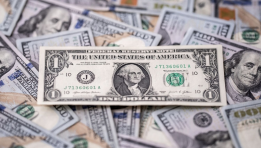
The U.S. dollar is heading toward its strongest weekly performance in two months as investors increase expectations for Federal

- Lior mor
- •
- 9 Min Read
- •
- ago 4 hours
SKN | US Credit Stress Deepens as CCC-Rated Bond Spreads Reach Their Highest Levels Since 2020
Stress is becoming increasingly visible in the weakest segment of the U.S. corporate bond market, where investors are demanding
- ago 4 hours
- •
- 9 Min Read

Stress is becoming increasingly visible in the weakest segment of the U.S. corporate bond market, where investors are demanding
- Lior mor
- •
- 7 Min Read
- •
- ago 19 hours
Dollar Heads for Best Weekly Gain in Two Months as Yen Tests 160
Dollar Gains Momentum as Treasury Yields Rise The US dollar remained near a 19-month high on Friday, heading toward its
- ago 19 hours
- •
- 7 Min Read

Dollar Gains Momentum as Treasury Yields Rise The US dollar remained near a 19-month high on Friday, heading toward its
- Lior mor
- •
- 6 Min Read
- •
- ago 24 hours
SKN | Dollar Hits 19-Month High on Fed Hike Bets as Yen Tests 160: Will Rate Divergence Force Tokyo’s Hand?
The U.S. dollar hovered near a 19-month peak on Friday, November 13, 2026, underpinned by surging Treasury yields and mounting
- ago 24 hours
- •
- 6 Min Read

The U.S. dollar hovered near a 19-month peak on Friday, November 13, 2026, underpinned by surging Treasury yields and mounting
