




- sagi habasov
- •
- 7 Min Read
- •
- 21 seconds ago


Key Points
- The S&P 500 gained 5.6% and the Nasdaq 100 rose 6.8% this week, following a sharp reversal in AI-related sentiment after Nvidia's CEO reinstatement announcement.
- Despite the equity rebound, credit spreads widened, global equity funds recorded $22.7 billion in weekly outflows, and inflation remained elevated, highlighting persistent macroeconomic and financial risks.
- Markets remain caught between recovering risk appetite, uncertainty surrounding AI financing, sticky inflation, trade policy developments and expectations for the Federal Reserve's next move.
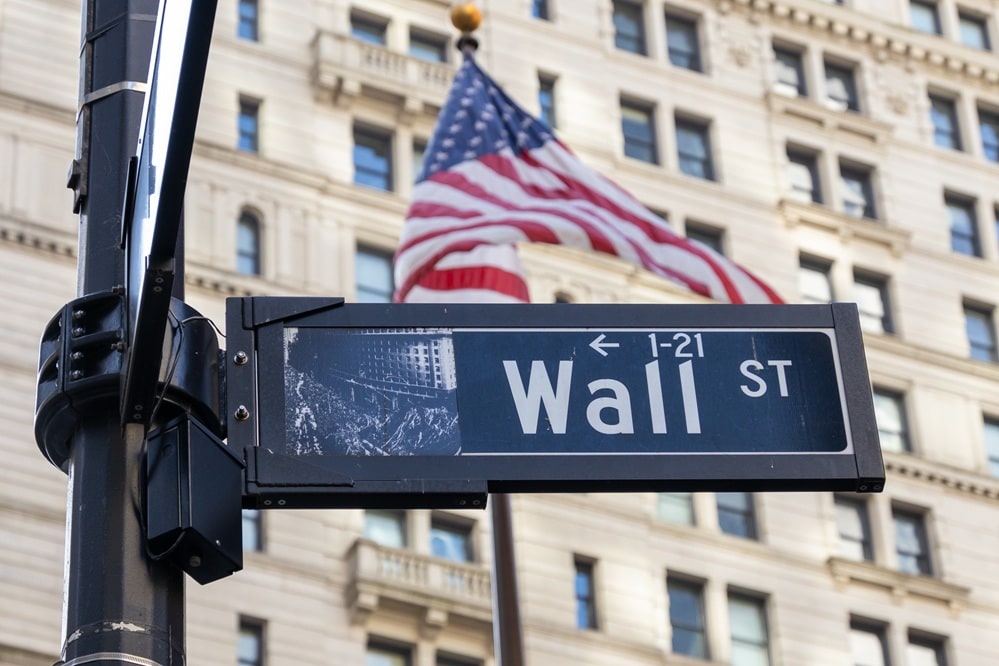
U.S. equities staged a powerful rebound this week as renewed optimism surrounding Nvidia triggered a short squeeze across AI-related stocks and helped broaden the rally beyond mega-cap technology. However, the recovery in equities occurred alongside deteriorating credit conditions, substantial investment fund outflows and persistent inflation concerns, suggesting that the improvement in market sentiment has not yet resolved the broader financial risks facing investors.
Nvidia’s Rebound Reignites Technology and Small-Cap Stocks
The S&P 500 gained 5.6% during the week, its strongest weekly performance since April 2025, while the Nasdaq 100 advanced 6.8%. The Russell 2000 climbed 6.5%, indicating that the rally extended beyond the largest technology companies and into smaller-cap equities. The Dow Jones also gained 5.5%, reflecting a broader improvement in equity market sentiment.
The rally followed a volatile midweek period during which the Nasdaq 100 briefly fell more than 20% from its October peak, entering bear-market territory and turning negative for 2026. Nvidia subsequently surged 31.5% on Monday after Jensen Huang was reinstated as CEO following President Donald Trump’s intervention with the company’s board. The move represented Nvidia’s largest daily percentage gain since May 2003.
Nevertheless, governance concerns remain unresolved. S&P reportedly placed Nvidia’s AA credit rating on CreditWatch Negative, signaling potential rating pressure, while independent board investigations and governance inquiries remain ongoing. Meanwhile, Anthropic shares briefly fell below their $83 IPO price on Tuesday before recovering above the offering price by Friday.
Credit Markets and Inflation Continue to Signal Risk
While equities recovered, credit markets weakened further. CCC-rated and lower-rated U.S. corporate credit spreads reportedly widened to 1,405 basis points, their highest level since the 2020 crisis. The widening suggests that investors continue to demand greater compensation for credit risk despite the renewed appetite for equities.
October core Personal Consumption Expenditures inflation rose 0.3% month-over-month and 3.3% year-over-year, marking its highest annual rate since November 2023, according to the figures provided. The data reinforced concerns that inflation remains sticky and could complicate monetary policy decisions. Markets were reportedly pricing in a near-99% probability of a 25-basis-point Federal Reserve rate hike at the December 9 meeting, as stated in the supplied source.
Washington also introduced another layer of uncertainty by proposing new Section 301 tariffs on 14 trading partners, with China reportedly facing a proposed rate of 20%. Meanwhile, U.S. Treasury yields initially attracted safe-haven demand during the equity selloff before reversing higher as risk appetite recovered and expectations for further Fed rate hikes increased.
Capital Flows, Commodities and the Broader Market Picture
Global equity funds recorded $22.7 billion in outflows during the week ending Wednesday, their largest weekly withdrawal in 14 months. U.S. equity funds alone lost $30.6 billion, with technology funds experiencing particularly heavy withdrawals. The divergence between the powerful equity rebound and negative fund flows suggests that investors were not yet fully embracing the recovery.
Other asset classes also experienced notable movements. Gold gained 3.6% and silver advanced 5.2% after reaching a 15-month low earlier in the week, as precious metals recovered from oversold conditions and forced liquidations eased. Oil posted its first weekly advance in November amid concerns surrounding tanker attacks and Saudi energy infrastructure. Bitcoin fell 1.1%, while the U.S. Dollar Index gained 0.2%.
The VIX declined 34%, while front-month VIX futures fell 20%, reflecting a sharp reduction in immediate market volatility. Nevertheless, the S&P 500 remained below its 200-day moving average, leaving the broader technical trend under pressure.
Going forward, investors will monitor inflation releases, Federal Reserve policy expectations, credit spreads, AI-related financing risks and corporate earnings for confirmation that the equity recovery can develop into a more sustainable trend. The week’s rebound improved sentiment and reduced short-term volatility, but persistent inflation, deteriorating credit conditions and negative fund flows suggest that the underlying market environment remains unsettled.
Comparison, examination, and analysis between investment houses
Leave your details, and an expert from our team will get back to you as soon as possible
* This article, in whole or in part, does not contain any promise of investment returns, nor does it constitute professional advice to make investments in any particular field.
To read more about the full disclaimer, click here
- orshu
- •
- 7 Min Read
- •
- ago 56 minutes
SKN | Global Markets Weekly Performance Review: November 23 to November 27, 2026
After a period of heightened uncertainty surrounding technology valuations and the broader economic outlook, global equities staged a recovery
- ago 56 minutes
- •
- 7 Min Read

After a period of heightened uncertainty surrounding technology valuations and the broader economic outlook, global equities staged a recovery

- sagi habasov
- •
- 7 Min Read
- •
- ago 14 hours
SKN | Dollar Heads for Weekly Gain as Risk Appetite Returns to Global Markets
The U.S. dollar was set for a weekly gain on November 27 even as improving risk appetite encouraged investors
- ago 14 hours
- •
- 7 Min Read
The U.S. dollar was set for a weekly gain on November 27 even as improving risk appetite encouraged investors

- Ronny Mor
- •
- 6 Min Read
- •
- ago 15 hours
SKN | Global Earnings Growth Faces a Sharp Slowdown in 2027 as AI Spending Peaks
Global corporate earnings expectations are facing a significant moderation in 2027, raising questions about how much of the recent
- ago 15 hours
- •
- 6 Min Read

Global corporate earnings expectations are facing a significant moderation in 2027, raising questions about how much of the recent

- Lior mor
- •
- 6 Min Read
- •
- ago 15 hours
SKN | Zweig Breadth Thrust Approaches Critical Threshold as U.S. Market Breadth Strengthens
Market Breadth Moves Toward a Rare Bullish Signal The U.S. equity market is approaching an important technical threshold as the
- ago 15 hours
- •
- 6 Min Read

Market Breadth Moves Toward a Rare Bullish Signal The U.S. equity market is approaching an important technical threshold as the
