




- sagi habasov
- •
- 7 Min Read
- •
- 20 seconds ago


Key Points
- The U.S. dollar is on track for a modest weekly gain as investors return to riskier assets following the Thanksgiving holiday.
- The Australian dollar rebounded from Wednesday's near one-year low as improving market sentiment lifted risk-sensitive currencies.
- Federal Reserve futures indicate a near-certain December rate hike, with substantial odds of another increase in January.
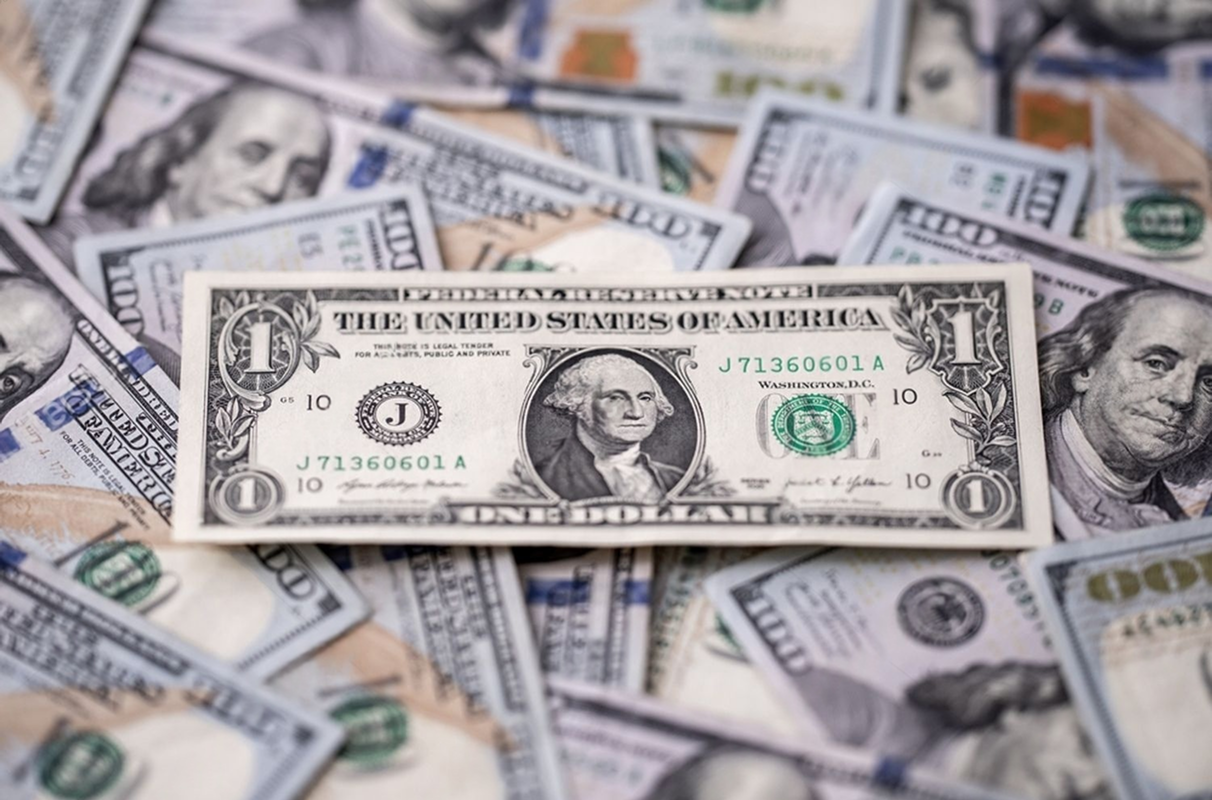
The U.S. dollar was set for a weekly gain on November 27 even as improving risk appetite encouraged investors to return to equities and other risk-sensitive assets. A recovery in technology stocks and measures by China to support its equity market helped ease some of the recent market stress, while expectations for further Federal Reserve tightening continued to provide support for the dollar.
Risk Appetite Returns After Technology Selloff
Wall Street’s major indexes ended higher on Friday and recorded weekly gains as investors returned from the Thanksgiving holiday and moved back into hard-hit AI-linked shares. The recovery helped strengthen broader risk appetite after a period of significant volatility surrounding technology valuations and concerns about the sustainability of the artificial intelligence trade.
The improvement was also visible in foreign exchange markets. The Australian dollar, widely regarded as a risk-sensitive currency, rebounded from its near one-year low reached on Wednesday. The move suggests that investors were becoming more willing to assume exposure to assets and currencies that tend to perform better when global risk sentiment improves.
China Adds Support to Global Market Sentiment
China’s efforts to support its stock market provided another source of encouragement for investors. Measures aimed at strengthening domestic equities helped contribute to a broader improvement in market sentiment and reduced some of the defensive positioning that had characterized trading earlier in the week.
The development is important for global markets because China’s financial conditions can influence commodity demand, regional currencies and broader expectations for global economic activity. For Israeli and international investors, renewed Chinese equity-market stability could therefore affect risk appetite well beyond Asia, particularly if it contributes to a sustained recovery in global technology and cyclical assets.
Fed Expectations Keep the Dollar Supported
Despite the improvement in risk appetite, the dollar continued to benefit from expectations that the Federal Reserve will maintain a relatively restrictive monetary stance. Fed funds futures imply a near-certain December rate hike, while also assigning substantial odds to another increase in January.
This policy outlook creates an important counterweight to the broader improvement in risk sentiment. Higher U.S. interest rates can support the dollar by increasing the relative appeal of dollar-denominated assets, even when investors are simultaneously moving toward equities and other risk-sensitive markets.
The dollar’s performance will therefore depend on two competing forces: the return of risk appetite, which can reduce demand for traditional defensive currencies, and expectations for relatively higher U.S. interest rates, which can continue supporting the greenback.
Currency Markets Face a Two-Way Outlook
Elias Haddad, global head of markets strategy at Brown Brothers Harriman, said that a dip-buying recovery in technology stocks was lifting risk appetite across markets. The observation captures the increasingly important relationship between the technology sector, broader market sentiment and foreign-exchange flows.
Going forward, investors will be watching whether the recovery in AI-linked shares develops into a broader stabilization in global equities or remains a short-term rebound. At the same time, the Federal Reserve’s rate path, U.S. economic data and China’s efforts to support markets will remain critical for the dollar and risk-sensitive currencies. For sophisticated investors, the key question is whether improving risk appetite can overcome the monetary-policy advantage supporting the dollar, or whether renewed concerns over technology valuations and global growth will once again push capital toward the U.S. currency.
Comparison, examination, and analysis between investment houses
Leave your details, and an expert from our team will get back to you as soon as possible
* This article, in whole or in part, does not contain any promise of investment returns, nor does it constitute professional advice to make investments in any particular field.
To read more about the full disclaimer, click here
- Lior mor
- •
- 6 Min Read
- •
- ago 17 minutes
SKN | US Public Debt Surpasses $40.79 Trillion as Federal Borrowing Continues to Accelerate
The United States' public debt has reached a new record of approximately $40.79 trillion, marking an increase of $2.37
- ago 17 minutes
- •
- 6 Min Read

The United States' public debt has reached a new record of approximately $40.79 trillion, marking an increase of $2.37

- Ronny Mor
- •
- 6 Min Read
- •
- ago 28 minutes
SKN | Global Earnings Growth Faces a Sharp Slowdown in 2027 as AI Spending Peaks
Global corporate earnings expectations are facing a significant moderation in 2027, raising questions about how much of the recent
- ago 28 minutes
- •
- 6 Min Read

Global corporate earnings expectations are facing a significant moderation in 2027, raising questions about how much of the recent
- Lior mor
- •
- 6 Min Read
- •
- ago 46 minutes
SKN | Zweig Breadth Thrust Approaches Critical Threshold as U.S. Market Breadth Strengthens
Market Breadth Moves Toward a Rare Bullish Signal The U.S. equity market is approaching an important technical threshold as the
- ago 46 minutes
- •
- 6 Min Read
Market Breadth Moves Toward a Rare Bullish Signal The U.S. equity market is approaching an important technical threshold as the

- Arik Arkadi Sluzki
- •
- 6 Min Read
- •
- ago 1 hour
SKN | Hedge Funds Cut Nasdaq Futures Exposure in Sharpest Six-Week Retreat Since 2022
Leveraged investors have significantly reduced their exposure to Nasdaq 100 futures over the past six weeks, signaling a sharp
- ago 1 hour
- •
- 6 Min Read
Leveraged investors have significantly reduced their exposure to Nasdaq 100 futures over the past six weeks, signaling a sharp
