




- orshu
- •
- 6 Min Read
- •
- 1 minute ago


Key Points
- South Korea is preparing emergency market-stabilization measures following a sharp selloff, with the KOSPI falling 5.2% on Friday to its lowest closing level in 10 months.
- Authorities are preparing a potential market stabilization fund, relaxing share buyback restrictions for three months and intensifying enforcement against illegal short selling.
- The KOSPI has fallen approximately 47% from its June peak of 9,100, wiping out more than $2.7 trillion in market value, according to the figures cited in the source.
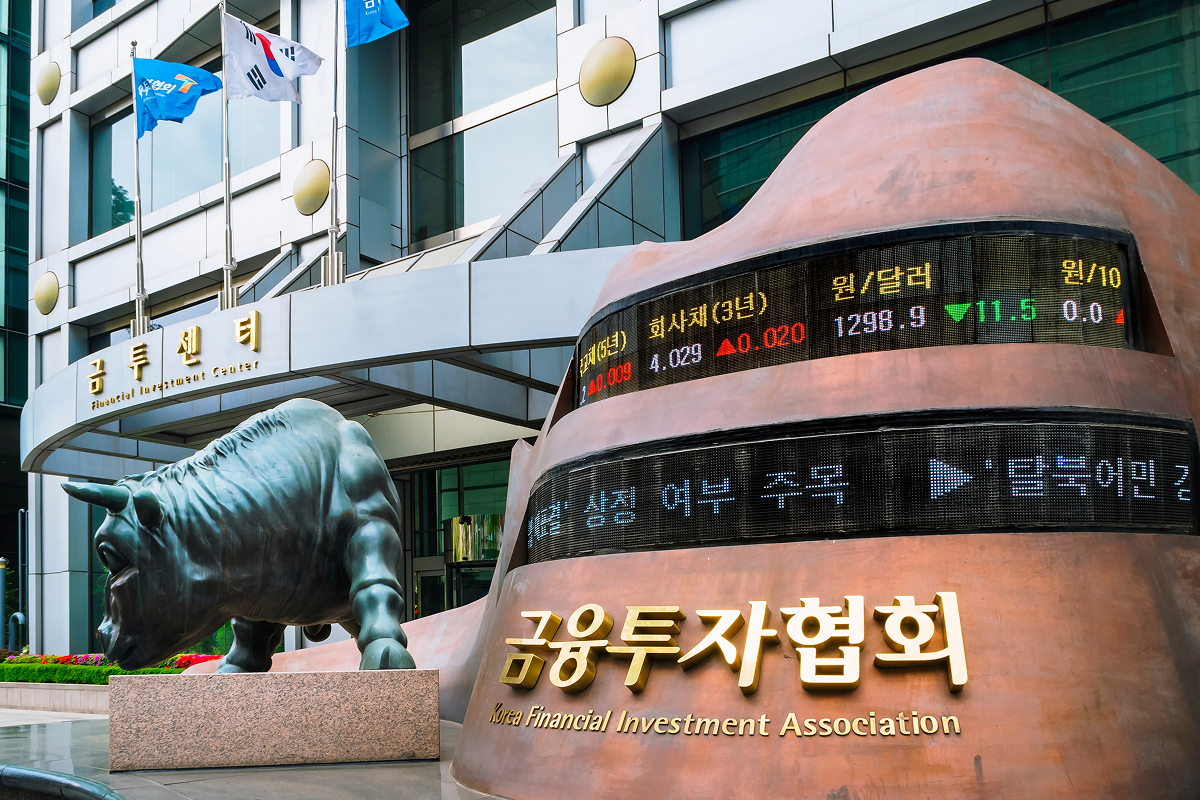
South Korean authorities are preparing a series of emergency measures to contain financial market volatility as investors brace for another potentially turbulent trading session following a sharp global equity selloff. The policy response comes after the KOSPI suffered a 5.2% decline on Friday, while concerns over the broader technology-sector selloff and weakening investor sentiment have intensified the pressure on South Korean equities.
Authorities Prepare a Market Stabilization Fund
South Korean officials are preparing to deploy a market stabilization fund if conditions deteriorate further, potentially providing liquidity and support to the equity market during periods of extreme volatility. The initiative is intended to help prevent disorderly selling and restore confidence following the recent market downturn.
The preparation of a stabilization fund signals that policymakers are closely monitoring market conditions and are prepared to intervene if necessary. Such mechanisms can help temporarily reduce panic-driven selling and improve market liquidity, although their effectiveness ultimately depends on the scale of intervention, investor confidence and the underlying economic and corporate conditions driving the selloff.
Share Buybacks and Short-Selling Restrictions
Authorities are also introducing measures designed to provide companies with greater flexibility to support their share prices. Listed companies will reportedly receive relaxed daily share buyback limits for a period of three months beginning November 24. Share repurchases can potentially provide an additional source of demand during periods of market stress, while allowing companies to respond more flexibly to sharp price declines.
In parallel, regulators are preparing an intensive crackdown on illegal short selling. The measures are aimed at strengthening oversight and limiting abusive practices that authorities may consider contributing to excessive market volatility. While tighter enforcement could improve market confidence and transparency, legitimate short-selling activity also plays a role in price discovery and liquidity, making regulatory implementation an important factor to monitor.
Technology Selloff and the Scale of Market Losses
The recent decline has placed South Korea’s equity market under considerable pressure. According to the figures presented in the source, the KOSPI has declined approximately 47% from its June peak of 9,100, resulting in more than $2.7 trillion in market value being erased. Friday’s 5.2% decline pushed the index to its lowest closing level in 10 months.
The broader selloff follows heightened volatility in global technology stocks, particularly after the Nasdaq experienced a significant decline. South Korea’s market structure, with substantial exposure to semiconductor manufacturers and technology-related companies, leaves the country’s equity market particularly sensitive to shifts in global technology valuations, AI-related investment expectations and international capital flows.
With markets reopening on Monday, investors will closely assess whether the announced measures are sufficient to stabilize sentiment or whether further declines trigger additional intervention. The response of semiconductor stocks, foreign investor flows, market liquidity and the effectiveness of the proposed stabilization mechanisms will be central indicators in determining whether South Korea’s latest policy measures can contain volatility or merely provide temporary relief amid a broader global equity adjustment.
Comparison, examination, and analysis between investment houses
Leave your details, and an expert from our team will get back to you as soon as possible
* This article, in whole or in part, does not contain any promise of investment returns, nor does it constitute professional advice to make investments in any particular field.
To read more about the full disclaimer, click here
- Arik Arkadi Sluzki
- •
- 6 Min Read
- •
- ago 1 minute
SKN | China Eases Margin Requirements and Trading Fees to Stabilize Equity Markets
Chinese regulators are introducing measures to ease trading restrictions and reduce transaction costs in an effort to stabilize equity
- ago 1 minute
- •
- 6 Min Read
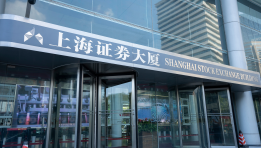
Chinese regulators are introducing measures to ease trading restrictions and reduce transaction costs in an effort to stabilize equity

- Lior mor
- •
- 6 Min Read
- •
- ago 37 minutes
TA-35 Gains 4.37% Over the Week Despite Friday Selloff as Tel Aviv Stocks Face Renewed Pressure
The TA-35 Index, Israel's leading benchmark for large-cap equities listed on the Tel Aviv Stock Exchange, ended the week
- ago 37 minutes
- •
- 6 Min Read

The TA-35 Index, Israel's leading benchmark for large-cap equities listed on the Tel Aviv Stock Exchange, ended the week
- Lior mor
- •
- 6 Min Read
- •
- ago 43 minutes
SKN | Anthropic’s Unusual IPO Process Tests Wall Street’s Role in Mega-Listings
Anthropic’s blockbuster initial public offering has delivered another substantial payday for Wall Street banks, but the process has also
- ago 43 minutes
- •
- 6 Min Read
Anthropic’s blockbuster initial public offering has delivered another substantial payday for Wall Street banks, but the process has also

- Ronny Mor
- •
- 6 Min Read
- •
- ago 1 hour
SKN | U.S. Stocks Enter Correction as Investors Search for Signs the Sell-Off Is Nearing an End
U.S. stocks have entered a more consequential phase of their latest decline, with investors searching for evidence that the
- ago 1 hour
- •
- 6 Min Read
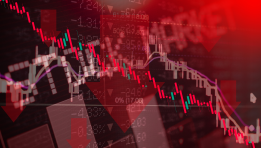
U.S. stocks have entered a more consequential phase of their latest decline, with investors searching for evidence that the
