




- Lior mor
- •
- 6 Min Read
- •
- 5 minutes ago


Key Points
- Anthropic imposed unusual restrictions on some of its 22 IPO underwriters, including limits on deal-team size.
- Some bank officers were asked to sign six-month non-compete agreements covering OpenAI and other competitors.
- The process echoes SpaceX’s earlier IPO, highlighting growing tensions between highly valued technology companies and the traditional Wall Street underwriting model.
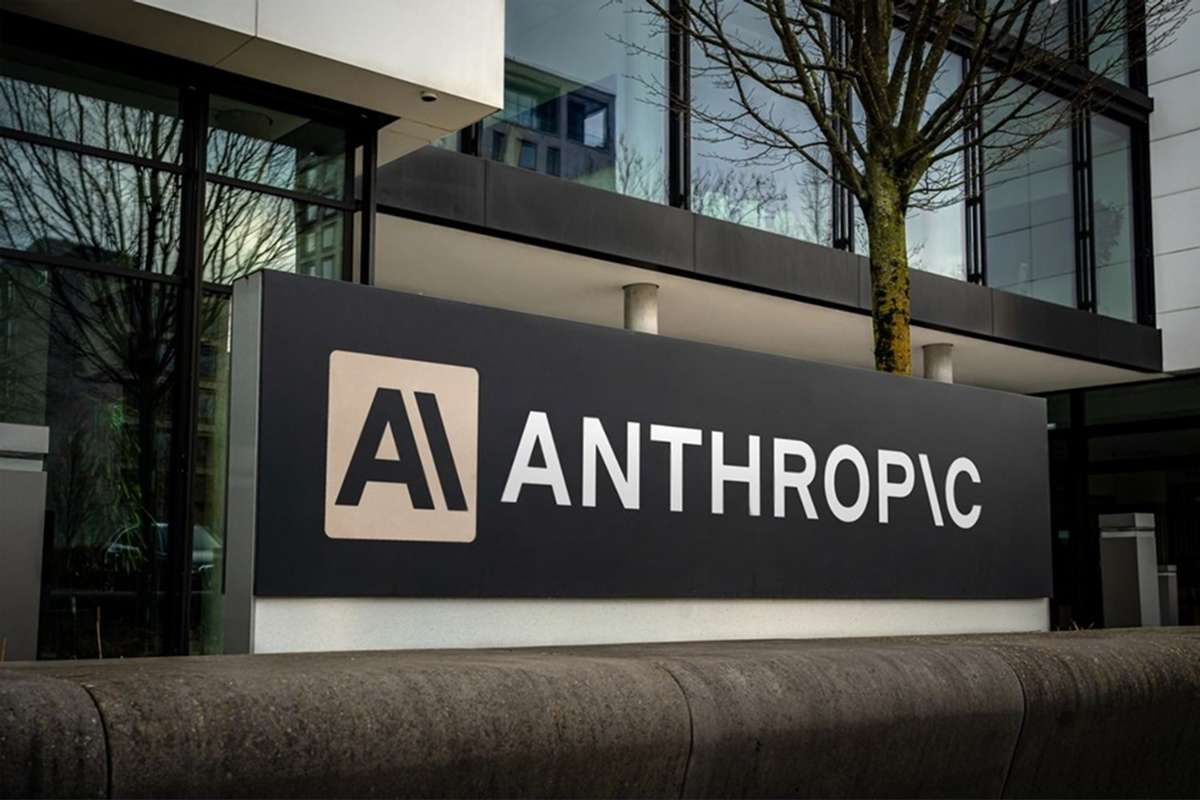
Anthropic’s blockbuster initial public offering has delivered another substantial payday for Wall Street banks, but the process has also generated private frustration among some advisers over the company’s unusually tight control of the transaction. The episode echoes SpaceX’s IPO earlier this year, illustrating how powerful technology companies are increasingly challenging the traditional relationship between issuers, investment banks and legal advisers.
Anthropic involved 22 IPO underwriters, according to people familiar with the process, but imposed restrictions that some bankers regarded as unusual. The approach reflects the growing bargaining power of highly valued technology companies entering public markets after years of private-market expansion.
Anthropic Places Tight Limits on Banking Teams
According to people familiar with the matter, Anthropic instructed some of its underwriters to limit deal teams to four bankers. The restriction reduced the number of professionals who could directly participate in the transaction, despite the scale and complexity associated with a major technology IPO.
The company also asked some bank officers to sign six-month non-compete agreements covering OpenAI and other rivals. Such restrictions are particularly significant in the artificial intelligence sector, where a relatively small group of companies and investors are competing for capital, talent and strategic partnerships.
For banks, the limitations can complicate the normal process of distributing responsibilities across large teams. Yet for Anthropic, tighter control may have provided greater confidentiality and reduced the number of individuals with access to sensitive information during a closely watched transaction.
Late Filings Add to Operational Pressure
The IPO process also included a compressed regulatory timetable. Banks were given only several hours to approve a corrected S-1A filing that was circulated at approximately 2 a.m. New York time, according to the people familiar with the process.
Such a timetable can create additional pressure for investment banks and legal advisers, whose responsibilities include reviewing financial disclosures, regulatory language and other material information before an offering proceeds. The episode highlights the operational challenges that can emerge when companies maintain unusually tight control over the IPO process.
SpaceX Precedent Signals a Changing IPO Model
The situation recalls SpaceX’s IPO in June, when banks reportedly earned approximately $500 million in fees. Bankers involved in that transaction privately complained about the way the Elon Musk-led company controlled the months-long process and restricted access to financial and other information, making the work more difficult for advisers.
The parallel between the two transactions points to a broader development in capital markets. Companies with exceptional private-market valuations, strong investor demand and substantial technological importance may have greater leverage to dictate how their public offerings are organized.
For sophisticated investors, the issue extends beyond banker frustration. IPO governance and disclosure processes can influence how efficiently information reaches public-market investors and how effectively advisers perform their traditional oversight roles. As more highly valued technology companies approach public markets, the balance between issuer control, confidentiality and underwriting discipline will remain an important consideration. Future mega-IPOs will show whether Anthropic and SpaceX represent isolated cases or the beginning of a more issuer-controlled model for large technology listings.
Comparison, examination, and analysis between investment houses
Leave your details, and an expert from our team will get back to you as soon as possible
* This article, in whole or in part, does not contain any promise of investment returns, nor does it constitute professional advice to make investments in any particular field.
To read more about the full disclaimer, click here
- Arik Arkadi Sluzki
- •
- 6 Min Read
- •
- ago 1 hour
TA-125 Gains 4.29% During the Week to 3,752.65 Despite Friday Decline as Israeli Equities Attempt a Recovery
The TA-125 Index, a broad benchmark of equities listed on the Tel Aviv Stock Exchange, ended the week on
- ago 1 hour
- •
- 6 Min Read
The TA-125 Index, a broad benchmark of equities listed on the Tel Aviv Stock Exchange, ended the week on

- sagi habasov
- •
- 6 Min Read
- •
- ago 2 hours
TA Real Estate Index Approaches 52-Week Low at 1,245.29 as Monthly Loss Reaches 11.85%
Israeli real estate equities faced renewed pressure during the week ending November 20, as the TA Real Estate Index finished
- ago 2 hours
- •
- 6 Min Read

Israeli real estate equities faced renewed pressure during the week ending November 20, as the TA Real Estate Index finished

- orshu
- •
- 6 Min Read
- •
- ago 3 hours
TA Banks 5 Gains 5.13% on the Week Despite Friday Decline as Israeli Banking Stocks Face Renewed Volatility
Israel's banking sector recorded a positive weekly performance, with the TA Banks 5 Index advancing 5.13% over five trading
- ago 3 hours
- •
- 6 Min Read
Israel's banking sector recorded a positive weekly performance, with the TA Banks 5 Index advancing 5.13% over five trading

- Ronny Mor
- •
- 6 Min Read
- •
- ago 3 hours
TA-SME60 Gains 3.03% Over the Week Despite Friday Decline as Israeli Small-Cap Stocks Remain Under Pressure
The TA-SME60 Index, which tracks smaller companies listed on the Tel Aviv Stock Exchange, ended Friday, November 20, 2026, at
- ago 3 hours
- •
- 6 Min Read

The TA-SME60 Index, which tracks smaller companies listed on the Tel Aviv Stock Exchange, ended Friday, November 20, 2026, at
