




- Ronny Mor
- •
- 6 Min Read
- •
- 2 minutes ago


Key Points
- The TA-SME60 recorded a reported weekly gain of 3.03%, closing at 1,144.98 on November 20, 2026.
- Friday's 0.52% decline interrupted the recovery, with the index remaining close to its reported 52-week low of 1,118.64.
- Despite positive performance over six months and five years, monthly and quarterly losses highlight continued pressure on smaller Israeli-listed companies.
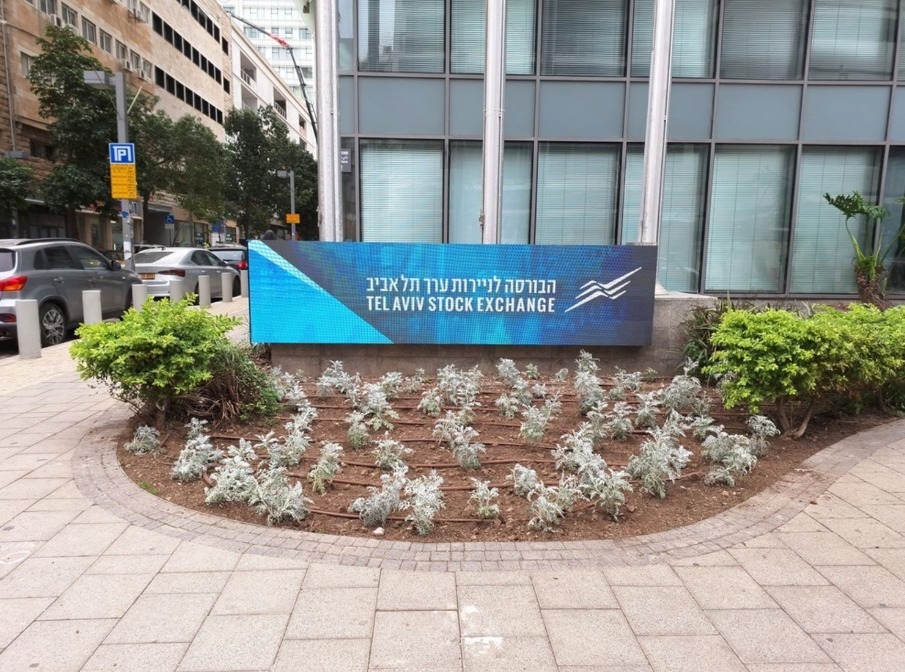
The TA-SME60 Index, which tracks smaller companies listed on the Tel Aviv Stock Exchange, ended Friday, November 20, 2026, at 1,144.98, declining 0.52% during the session. Despite the daily setback, the index recorded a reported weekly advance of 3.03%, suggesting some short-term recovery after a difficult period for Israeli small-cap equities. However, its position near the lower end of its annual trading range indicates that the broader recovery remains fragile.
Weekly Recovery Faces Renewed Selling Pressure
The index declined by 5.99 points on Friday, compared with its previous close of 1,150.97. It opened at 1,146.34 and traded between 1,138.36 and 1,146.34 during the session. The closing level reflected renewed selling pressure after the index had recorded a positive weekly performance.
The reported 3.03% weekly gain offers evidence of improved short-term sentiment, but it needs to be considered alongside the index’s broader performance. The TA-SME60 remained down 10.54% over one month and 11.41% over three months. These declines suggest that the latest weekly improvement has not yet reversed the more substantial losses accumulated during the preceding period.
Proximity to Annual Low Highlights Market Vulnerability
The index’s reported 52-week range stood between 1,118.64 and 1,576.29. At 1,144.98, the latest close was only 26.34 points above the annual low and substantially below the upper end of the range. This positioning highlights the extent of the correction and suggests that investor confidence in smaller listed companies remains sensitive to changes in domestic and international conditions.
Trading volume reached approximately 2.80 million shares, compared with a reported three-month average of 5.19 million. The lower activity indicates that participation was below the recent average, although volume alone does not establish the strength or sustainability of the weekly recovery. Smaller companies can also be more sensitive to financing costs, liquidity conditions and changes in domestic economic expectations than larger listed businesses.
Longer-Term Performance Offers a More Mixed Picture
Despite the recent weakness, the index retained positive longer-term performance, gaining 19.51% over six months, 3.23% over one year and 31.84% over five years. Its cumulative advance since inception was reported at 55.90%. These figures suggest that the recent correction has taken place against a longer-term record of gains, although the shorter measurement periods point to a deterioration in momentum.
Looking ahead, the ability of the TA-SME60 to remain above its annual low will be an important indicator of near-term market stability. Investors will continue to assess domestic interest rate expectations, business financing conditions, economic growth and geopolitical developments. A sustained improvement in liquidity and investor confidence could support further recovery, while renewed uncertainty or tighter financial conditions could place additional pressure on smaller companies. For Israeli institutional investors, the distinction between short-term stabilization and a durable improvement in market conditions will remain particularly important.
Comparison, examination, and analysis between investment houses
Leave your details, and an expert from our team will get back to you as soon as possible
* This article, in whole or in part, does not contain any promise of investment returns, nor does it constitute professional advice to make investments in any particular field.
To read more about the full disclaimer, click here
- omer bar
- •
- 6 Min Read
- •
- ago 1 hour
KOSPI Falls 4.52% Over the Week as South Korean Equities Face Renewed Selling Pressure
South Korea's equity market ended the week under significant pressure, with the KOSPI Composite Index closing at 4,869.96 on
- ago 1 hour
- •
- 6 Min Read

South Korea's equity market ended the week under significant pressure, with the KOSPI Composite Index closing at 4,869.96 on

- Lior mor
- •
- 6 Min Read
- •
- ago 2 hours
Japanese Yen Currency Index Rises 0.71% in a Week to 63.07 as Markets Assess Currency Outlook
The Japanese Yen Currency Index ended the trading week on November 20, 2026, at 63.07, recording a 0.71% increase
- ago 2 hours
- •
- 6 Min Read

The Japanese Yen Currency Index ended the trading week on November 20, 2026, at 63.07, recording a 0.71% increase

- Arik Arkadi Sluzki
- •
- 6 Min Read
- •
- ago 3 hours
Australian Dollar Currency Index Falls 2.27% in a Week to 66.21 as Selling Pressure Weighs on Currency Outlook
The Australian Dollar Currency Index ended the trading week on November 20, 2026, at 66.21, recording a decline of 2.27%
- ago 3 hours
- •
- 6 Min Read

The Australian Dollar Currency Index ended the trading week on November 20, 2026, at 66.21, recording a decline of 2.27%

- sagi habasov
- •
- 6 Min Read
- •
- ago 5 hours
Shanghai Composite Falls 2.77% in a Week to 3,533.79 as Chinese Equities Face Renewed Selling Pressure
Chinese equities ended the week under pressure, as the Shanghai Composite Index recorded a 2.77% decline over five trading days,
- ago 5 hours
- •
- 6 Min Read
Chinese equities ended the week under pressure, as the Shanghai Composite Index recorded a 2.77% decline over five trading days,
