




- Lior mor
- •
- 7 Min Read
- •
- 2 minutes ago


Key Points
- Fed Governor Lisa Cook said the current policy-rate level is not high enough to bring inflation down sufficiently.
- Cook said inflation remains elevated and is not easing fast enough, creating what she described as a situation of great concern.
- Her position reinforces the possibility of further monetary tightening after she dissented in October in favor of a rate hike.
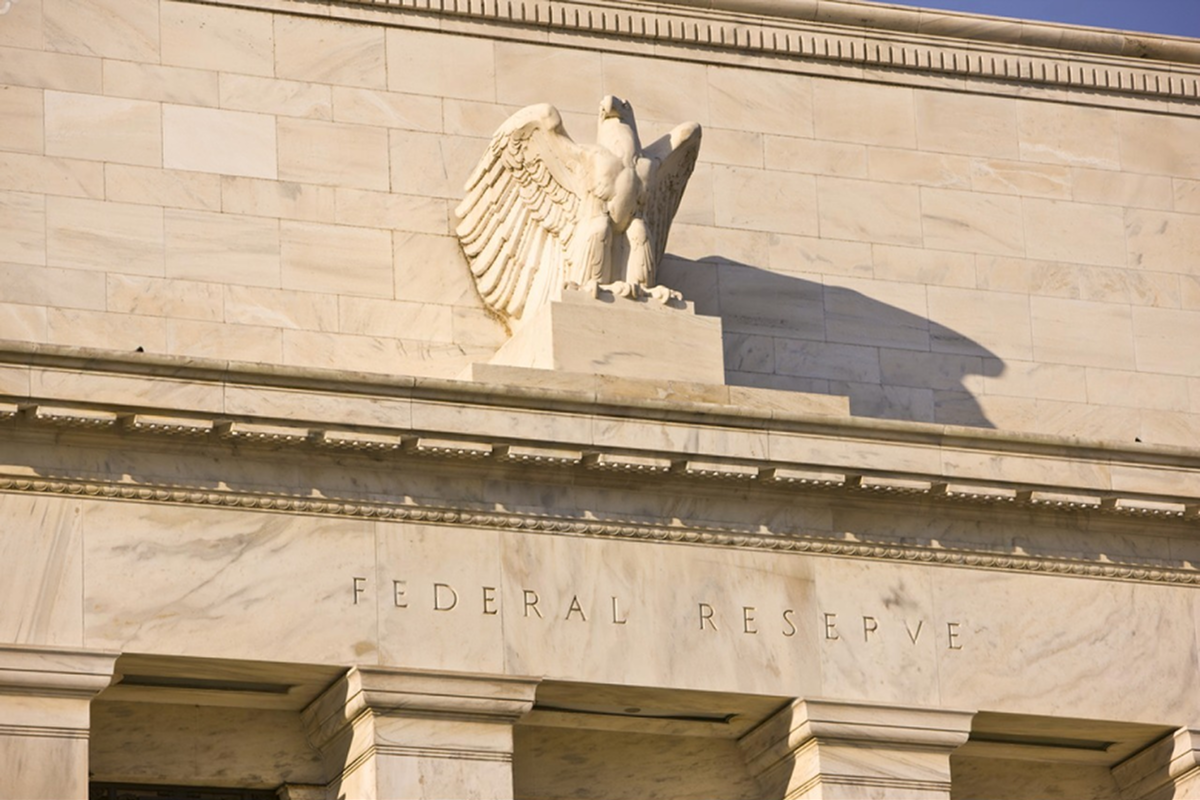
Federal Reserve Governor Lisa Cook has argued that additional interest-rate increases are needed to bring U.S. inflation under control, signaling continued concern among some policymakers about the persistence of price pressures. Her remarks underscore the challenge facing the Federal Reserve as it weighs restrictive monetary policy against the broader economic consequences of keeping borrowing costs elevated.
Cook Says Current Rates Are Not Restrictive Enough
Cook said the Federal Reserve’s current policy-rate level is not sufficiently high to address inflation, which she believes remains too elevated and is not easing at an adequate pace. In prepared remarks for a central bank conference in Chile on Friday, she said inflation levels and the length of time they have remained above the Fed’s 2% target warrant continued monetary tightening.
Her assessment suggests that simply maintaining the current policy setting may not be enough to generate the additional downward pressure on prices that she believes is necessary. For financial markets, the comments reinforce the importance of incoming inflation and economic data in determining how far the Federal Reserve may ultimately need to move rates.
Inflation Remains the Central Policy Concern
Cook said that, under different economic circumstances, the Federal Open Market Committee could afford to be patient. However, she argued that policymakers do not have that luxury in the current environment because inflation remains too high and has stayed above the central bank’s target for an extended period.
The comments illustrate the tension between inflation control and policy flexibility. Higher interest rates can restrain demand and help reduce price pressures, but maintaining restrictive policy for longer can also weigh on economic activity, borrowing and investment.
Cook’s position therefore points to a preference for prioritizing inflation reduction even if that approach requires additional tightening. The remarks do not, however, establish the timing or size of any future rate increase.
October Dissent Highlights Hawkish Position
Cook’s latest comments are consistent with her position at the Federal Reserve’s October meeting, when she was one of two policymakers who dissented in favor of a rate hike. That dissent provides additional context for her argument that the current policy stance remains insufficient to bring inflation back toward the central bank’s objective.
Her stance also demonstrates that there remains debate within the Federal Reserve over the appropriate level of interest rates. While policymakers must consider economic growth and financial conditions, Cook’s remarks indicate that persistent inflation remains a priority for at least some officials.
Markets Await Further Evidence on Inflation
Cook’s comments place renewed attention on upcoming inflation and economic indicators, particularly evidence showing whether price pressures are beginning to moderate sufficiently. The trajectory of inflation will remain central to expectations for the Federal Reserve’s next policy decisions and to the direction of U.S. Treasury yields, the dollar and global financial markets.
For investors in Israel and globally, the key issue will be whether persistent inflation leads to additional U.S. rate increases or whether subsequent data gives policymakers greater room to remain patient. Inflation trends, labor-market conditions and the Federal Reserve’s internal policy debate will remain critical signals as markets assess the path of U.S. monetary policy.
Comparison, examination, and analysis between investment houses
Leave your details, and an expert from our team will get back to you as soon as possible
* This article, in whole or in part, does not contain any promise of investment returns, nor does it constitute professional advice to make investments in any particular field.
To read more about the full disclaimer, click here
- Ronny Mor
- •
- 7 Min Read
- •
- ago 16 hours
SKN | Philadelphia Fed’s Anna Paulson Backs Further Rate Hikes, Says Shared Understanding Beats Explicit Guidance
Federal Reserve Bank of Philadelphia President Anna Paulson reiterated on Thursday, November 19, 2026, that the U.S. central bank will
- ago 16 hours
- •
- 7 Min Read

Federal Reserve Bank of Philadelphia President Anna Paulson reiterated on Thursday, November 19, 2026, that the U.S. central bank will

- sagi habasov
- •
- 6 Min Read
- •
- ago 16 hours
SKN | Japan’s Core Inflation Accelerates to 2.2% in October, Cementing December Bank of Japan Rate Hike Expectations
Japan’s core consumer inflation accelerated to 2.2% year-on-year in October 2026 from 2.1% in September, official government data showed on
- ago 16 hours
- •
- 6 Min Read

Japan’s core consumer inflation accelerated to 2.2% year-on-year in October 2026 from 2.1% in September, official government data showed on
- Ronny Mor
- •
- 7 Min Read
- •
- ago 19 hours
SKN | US Margin Debt Climbs to Dot-Com Era Levels as Investor Leverage Reaches New Highs
Borrowing to finance stock-market positions is becoming an increasingly important feature of the US investment landscape. According to the
- ago 19 hours
- •
- 7 Min Read

Borrowing to finance stock-market positions is becoming an increasingly important feature of the US investment landscape. According to the

- Lior mor
- •
- 8 Min Read
- •
- ago 20 hours
SKN | AI Infrastructure Financing Could Approach $1 Trillion in 2027 as Borrowing Risks Increase
The global artificial intelligence investment cycle is entering a more capital-intensive phase, with technology companies and infrastructure developers increasingly
- ago 20 hours
- •
- 8 Min Read

The global artificial intelligence investment cycle is entering a more capital-intensive phase, with technology companies and infrastructure developers increasingly
