




- orshu
- •
- 6 Min Read
- •
- 1 minute ago


Key Points
- The TA-35 dropped 1.47% to 3,861.51, while the TA-125 declined 1.31% to 3,752.65.
- The TA-90 fell 0.87% to 3,418, showing relative resilience compared with large-cap stocks.
- Equity turnover reached approximately NIS 2.82 billion, while bond turnover totaled approximately NIS 4.24 billion.
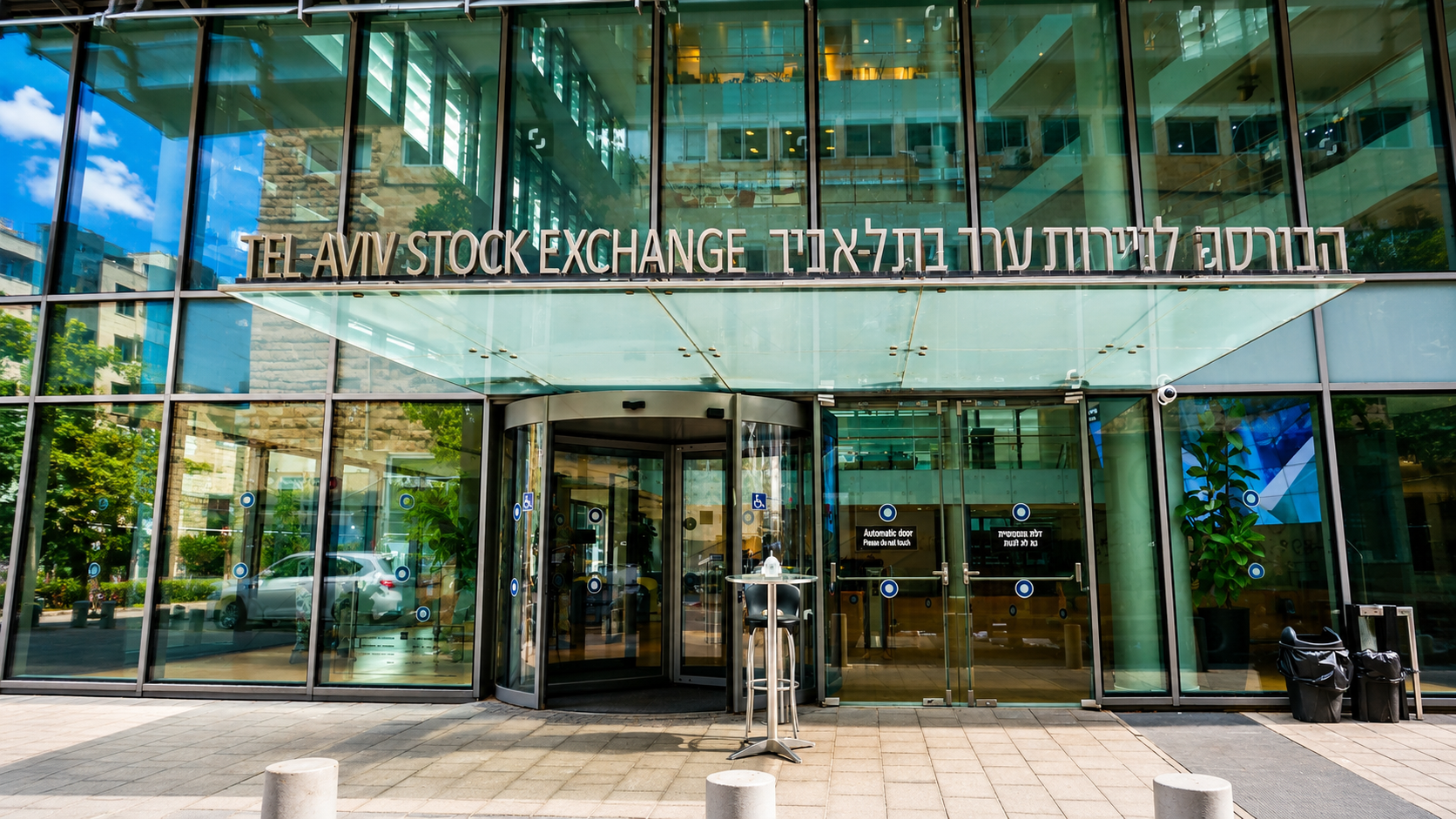
Israeli Equities Continue Their Downward Trend
The Tel Aviv Stock Exchange ended Friday, November 20, 2026, lower across its principal benchmarks, extending the market’s recent weakness. The TA-35 declined 1.47% to 3,861.51, while the TA-125 lost 1.31% to 3,752.65. The TA-90 fell 0.87% to 3,418.
The latest session placed additional pressure on the leading Israeli equity benchmarks following the broad declines recorded in the previous session. The TA-35 recorded the largest loss among the three primary indices, while the TA-90’s smaller decline suggests relatively better performance among its constituents.
The movement in the broader TA-125 remained closely aligned with the large-cap benchmark, indicating that the market’s weakness continued across a substantial portion of the exchange. However, the relative resilience of the TA-90 suggests that performance was not uniform across market capitalization segments.
Sector Performance and Market Structure
The decline extended across all eight reported market indices. The TA-SME60 dropped 0.52% to 1,144.98, while the TA 90 and Banks index declined 0.94% to 3,612.13.
The TA-200 fell 0.91% to 3,591.70, while the TA Sector-Balance declined 1.03% to 4,278.74. The TA-20 recorded a larger decline of 1.25%, closing at 3,671.52.
The banking index’s decline was smaller than that of the TA-35 but remained consistent with the broader negative market direction. Meanwhile, the TA-SME60 recorded the smallest decline among the listed indices, indicating comparatively stronger performance among smaller companies during the session.
These differences highlight the uneven nature of the selloff, even as all reported benchmarks finished lower.
Turnover and Individual Stock Movements
Equity trading activity totaled approximately NIS 2.82 billion, based on reported turnover of NIS 2,818,058 thousand. Bond turnover reached approximately NIS 4.24 billion, equivalent to NIS 4,239,133 thousand.
Bond trading therefore exceeded equity turnover by approximately NIS 1.42 billion. The difference indicates that fixed-income securities accounted for a greater trading value during the session, although the available figures alone do not establish investor positioning or the underlying reasons for the activity.
Individual stock movements offered a contrast to the market’s overall weakness. Cellcom rose 5.62% to 3,250, making it one of the strongest performers within the TA-125. Tower declined 7.33% to 41,750, placing it among the session’s notable laggards.
The reported individual turnover entry labeled “national” totaled NIS 193.708 million. The supplied data does not provide sufficient detail to identify the security more precisely.
What Investors Should Watch Next
The next sessions will be important in determining whether the recent decline is approaching a stabilization point or whether selling pressure continues. The TA-35’s close at 3,861.51 and the TA-125’s level of 3,752.65 will be important reference points for assessing whether the market can regain momentum.
Relative performance across indices will also remain important. Continued resilience in the TA-90 and SME60 compared with large-cap benchmarks could indicate a shift in the distribution of market weakness, while renewed declines across all segments would suggest that selling pressure remains broad.
Investors will also monitor trading turnover, banking-sector performance, and the balance between advancing and declining securities when additional breadth data becomes available. These indicators may help determine whether the market’s recent weakness is stabilizing or continuing into the following week.
Comparison, examination, and analysis between investment houses
Leave your details, and an expert from our team will get back to you as soon as possible
* This article, in whole or in part, does not contain any promise of investment returns, nor does it constitute professional advice to make investments in any particular field.
To read more about the full disclaimer, click here
- sagi habasov
- •
- 7 Min Read
- •
- ago 19 minutes
SKN | Black Friday, Central Banks and Inflation Data to Shape Global Markets Next Week
Black Friday Tests Consumer Resilience The upcoming Black Friday shopping period will provide an important assessment of US consumer spending
- ago 19 minutes
- •
- 7 Min Read

Black Friday Tests Consumer Resilience The upcoming Black Friday shopping period will provide an important assessment of US consumer spending

- Ronny Mor
- •
- 5 Min Read
- •
- ago 1 hour
SKN | US Equity Funds Attract $45.7 Billion as Investors Maintain Confidence in Earnings and AI Growth
Investors Continue Buying US Equities Investors continued allocating capital to US equity funds for a third consecutive week, with net
- ago 1 hour
- •
- 5 Min Read

Investors Continue Buying US Equities Investors continued allocating capital to US equity funds for a third consecutive week, with net

- orshu
- •
- 7 Min Read
- •
- ago 2 hours
SKN | US Markets Retreat as Nasdaq and Russell 2000 Lead Losses Across Equities
US markets were open on November 20, with the latest market figures reflecting a broadly weaker performance across equities,
- ago 2 hours
- •
- 7 Min Read
US markets were open on November 20, with the latest market figures reflecting a broadly weaker performance across equities,

- Lior mor
- •
- 5 Min Read
- •
- ago 2 hours
SKN | SocGen Sees S&P 500 Reaching 8,500 by End of 2027 on AI and Earnings Growth
AI Investment and Earnings Support US Equities Societe Generale expects the S&P 500 to advance to 8,500 by the end
- ago 2 hours
- •
- 5 Min Read
AI Investment and Earnings Support US Equities Societe Generale expects the S&P 500 to advance to 8,500 by the end
