




- Lior mor
- •
- 8 Min Read
- •
- 35 seconds ago


Key Points
- Expanding US restrictions: New measures targeting remote access to advanced AI chips and computing infrastructure have increased pressure on Chinese technology companies and their supply chains.
- Cloud growth outlook weakens: Alibaba expects cloud revenue growth to slow to 30%–45% next year from 53% in the latest quarter as computing constraints intensify.
- Domestic technology push: Tencent and Alibaba are increasingly relying on domestic chips, while China's semiconductor manufacturing capacity remains constrained by US export controls.
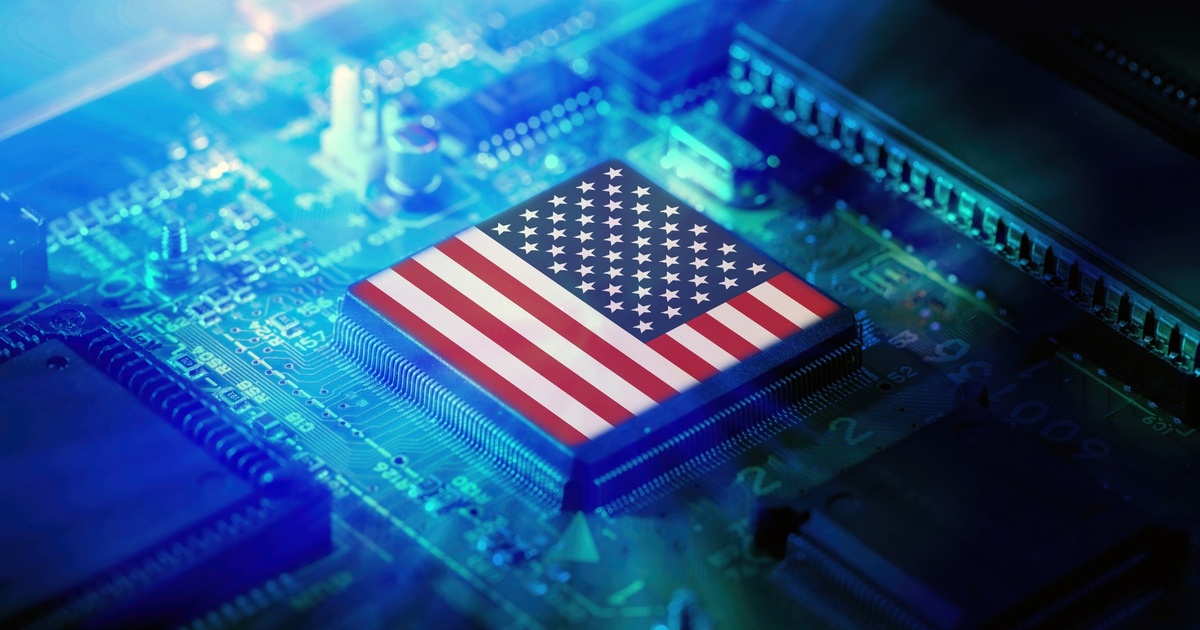
US Restrictions Pressure Chinese Technology Stocks
Chinese technology stocks faced renewed pressure as Washington expanded restrictions on China’s access to advanced artificial intelligence computing power. The latest measures target overseas data centers providing computing resources to Chinese AI companies, adding to existing semiconductor restrictions and Nvidia’s suspension of certain chip shipments to China.
The developments also include a shareholder lawsuit against Alibaba and a US proposal that could require American companies to disclose their use of Chinese AI models.
Together, the measures highlight the expanding scope of the US-China technology competition, extending beyond semiconductor exports into cloud computing, software and corporate disclosure requirements.
Investors are increasingly assessing whether the restrictions will slow China’s AI development or accelerate its efforts to build a more independent domestic technology ecosystem.
AI Development Faces Near-Term Constraints
Industry analysts expect the restrictions to have a greater impact on advanced AI model training than inference workloads.
According to Counterpoint Research, closing the gap with leading-edge AI technology before 2028, or even by 2030, could prove difficult. Smaller AI companies, including Moonshot AI, Z.AI, MiniMax and DeepSeek, may face greater challenges than large cloud providers such as Alibaba and Tencent.
Shares of Chinese AI companies have also weakened amid broader industry concerns. Z.AI declined 22%, while MiniMax fell 34% over the past two weeks.
Tencent said its cloud business would be largely unaffected because its AI services rely heavily on inference workloads that can operate on domestic chips. However, President Martin Lau said restrictions could slow the development of its next-generation AI model in the near term while accelerating China’s transition toward domestic semiconductor technology.
Alibaba CEO Eddie Wu similarly warned that the new US rules would affect the company’s products and services next year.
Alibaba Revises Cloud Growth Expectations
Alibaba maintained its long-term target of generating $100 billion in external cloud revenue by 2030, but expects growth to slow as computing supply constraints intensify.
Cloud revenue growth could decline to 30%–45% next year from 53% in the latest quarter, reflecting the potential impact of restrictions and the company’s need to adjust its operating plans.
The restrictions could also affect Alibaba’s long-term ambition to build 20 gigawatts of computing capacity.
Industry analysts warned that longer AI training cycles and slower deployment of additional computing infrastructure could delay product development, commercialization and technological advancement.
Domestic Semiconductor Capacity Remains a Critical Constraint
Chinese technology companies are increasingly turning to domestic chips to reduce reliance on US technology. However, advanced semiconductor manufacturing capacity remains limited, partly due to export restrictions affecting equipment such as ASML’s immersion lithography machines.
Iluvatar CoreX said it had strengthened relationships with domestic semiconductor supply-chain partners to secure supplies, following a decline in its shares that reflected market concerns.
Semiconductor Manufacturing International Corporation remains widely regarded as China’s only foundry producing advanced chips at scale using a 7-nanometer process. Much of its capacity is allocated to Huawei’s Ascend AI chips, while Hua Hong Semiconductor’s advanced manufacturing capacity remains relatively limited.
Alibaba’s management said domestic computing capacity would increasingly become the primary engine supporting cloud revenue growth.
Restrictions Ripple Through Global Semiconductor Supply Chains
The latest US licensing requirements are also affecting overseas suppliers. Taiwan Semiconductor Manufacturing Company reportedly suspended certain previously permitted advanced chip manufacturing orders from Chinese customers following the new restrictions on overseas data centers serving Chinese AI companies.
The developments demonstrate how regulatory measures are increasingly influencing semiconductor production, international supply chains and the availability of computing infrastructure.
What Investors Should Watch Next
The trajectory of US export restrictions, China’s domestic semiconductor manufacturing expansion and the ability of technology companies to adapt their AI infrastructure strategies will remain key factors for Chinese technology stocks. Investors will also monitor cloud growth forecasts, AI model development timelines and the extent to which domestic chips can replace restricted foreign technology. The balance between near-term capacity constraints and long-term technological self-sufficiency will likely remain central to the sector’s outlook.
domestic chips, although advanced manufacturing capacity remains limited.
Comparison, examination, and analysis between investment houses
Leave your details, and an expert from our team will get back to you as soon as possible
* This article, in whole or in part, does not contain any promise of investment returns, nor does it constitute professional advice to make investments in any particular field.
To read more about the full disclaimer, click here
- Lior mor
- •
- 7 Min Read
- •
- ago 7 hours
SKN | California Attorney General Subpoenas Nvidia Over Former CEO’s China Ties and Investor Disclosures
California Attorney General Rob Bonta served an investigative subpoena on Nvidia Corp. on Thursday, November 19, 2026, opening a formal
- ago 7 hours
- •
- 7 Min Read
California Attorney General Rob Bonta served an investigative subpoena on Nvidia Corp. on Thursday, November 19, 2026, opening a formal
- Lior mor
- •
- 6 Min Read
- •
- ago 7 hours
SKN | U.S. Approved Nearly 900,000 AI Chip Sales to China Over Six Months, House Panel Reveals
The U.S. Department of Commerce approved the export of nearly 900,000 advanced artificial intelligence chips produced by Nvidia Corp. and
- ago 7 hours
- •
- 6 Min Read
The U.S. Department of Commerce approved the export of nearly 900,000 advanced artificial intelligence chips produced by Nvidia Corp. and

- Arik Arkadi Sluzki
- •
- 6 Min Read
- •
- ago 10 hours
SKN | Japanese Investors Seek $9.4 Billion of Anthropic Shares as AI IPO Demand Surges
Japanese investors demonstrated strong appetite for Anthropic's landmark public offering, seeking more than $9.4 billion of shares despite growing
- ago 10 hours
- •
- 6 Min Read

Japanese investors demonstrated strong appetite for Anthropic's landmark public offering, seeking more than $9.4 billion of shares despite growing

- orshu
- •
- 7 Min Read
- •
- ago 10 hours
SKN | Meta Targets Holiday AI Gadget Market With $300 Muse Charm Device
Meta Platforms is preparing to expand its artificial intelligence ambitions into dedicated consumer hardware, with its Muse Charm device
- ago 10 hours
- •
- 7 Min Read

Meta Platforms is preparing to expand its artificial intelligence ambitions into dedicated consumer hardware, with its Muse Charm device
