




- orshu
- •
- 6 Min Read
- •
- 59 seconds ago


Key Points
- Citigroup Inc. misbooked trades at a European trading subsidiary, causing the unit to underestimate its risk-weighted assets (RWA) by approximately $35 billion, according to people familiar with the matter.
- Citi stated that it identified and resolved the internal capital modeling issue during the summer of 2026 and injected fresh capital to restore the subsidiary’s buffers while remaining compliant with regulatory minimums.
- For international allocators and Israeli institutional desks, the operational lapse complicates CEO Jane Fraser’s multi-year push to lift U.S. regulatory consent orders and unlock capital returns.
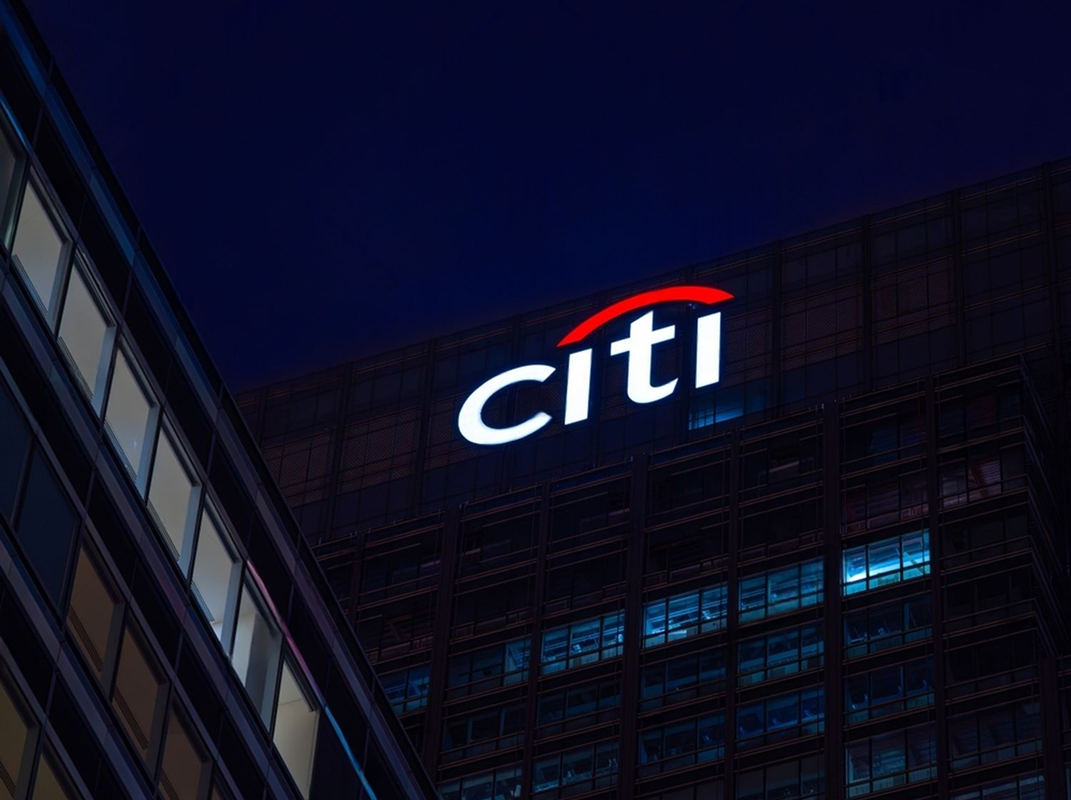
Citigroup Inc. incorrectly recorded trades at a European subsidiary, resulting in an underestimation of approximately $35 billion in risk-weighted assets (RWA), according to sources familiar with the matter. Disclosed late Thursday, November 19, 2026, the accounting and risk-modeling lapse represents an operational setback for Chief Executive Officer Jane Fraser as the Wall Street lender works to satisfy U.S. regulators and lift longstanding supervisory consent orders.
Capital Injection Restores European Buffers Without Holding-Company Impact
In a statement addressing the disclosure, Citigroup confirmed that it identified and remediated an internal capital modeling issue at its European trading unit during the summer of 2026. Management emphasized that the subsidiary remained in full compliance with minimum regulatory capital ratios throughout the episode and that the misbooking had no impact on Citigroup’s parent holding company or its primary U.S. operating bank. To eliminate any buffer shortfall following the recalculation, Citi completed internal control adjustments and injected capital directly into the European entity.
Despite the swift balance-sheet remediation, the $35 billion RWA discrepancy underscores persistent data-governance and trade-booking vulnerabilities across Citi’s sprawling global infrastructure. Risk-weighted assets determine the minimum tier-one equity capital banks must hold against market and credit exposures; understating RWA artificially inflates reported capital ratios at the subsidiary level. Shares of Citigroup closed 1.76% lower on Thursday ahead of the report and slipped roughly 0.6% further in extended trading.
Consent Order Scrutiny and Transmission Channels for Israeli Desks
The operational stumble arrives at a sensitive juncture in Citigroup’s multi-year transformation program. The bank has operated under strict Federal Reserve and Office of the Comptroller of the Currency consent orders since 2020—expanded with additional penalties in 2024—over deficiencies in risk management, data integrity, and internal controls. As recently as this summer, Citi executives had aimed to submit formal documentation to regulators before year-end to begin lifting those restrictions, which cap asset growth and elevate compliance costs.
For Israeli institutional pension managers and cross-border treasury desks on the Tel Aviv Stock Exchange (TASE), Citigroup’s European control lapse highlights the ongoing operational-risk discount applied to global systemically important banks undergoing regulatory remediation. Citi maintains a major institutional banking, trading, and technology presence in Tel Aviv serving local multinationals and institutional allocators. With the New Israeli Shekel (NIS) consolidating steadily near 3.17 per dollar against elevated 10-year U.S. Treasury yields above 5.10%, domestic multi-asset desks continue weighing global bank valuation discounts against high-yielding local sovereign bonds (Shahar) and domestic Israeli financial equities.
Outlook: Federal Reserve Review, Q4 Capital Ratios, and Consent-Order Timeline
Moving into the final weeks of 2026 and early 2027, bank analysts and institutional investors will monitor whether U.S. or European supervisors initiate formal enforcement reviews tied to the European subsidiary’s modeling error. Key indicators to track include Citigroup’s fourth-quarter Common Equity Tier 1 (CET1) capital disclosures, management commentary on regulatory remediation milestones during January earnings, and the pace of share buybacks. While the parent bank’s consolidated capital adequacy remains intact, recurring trade-booking errors risk delaying the regulatory sign-offs required to narrow Citi’s valuation gap against Wall Street peers.
Comparison, examination, and analysis between investment houses
Leave your details, and an expert from our team will get back to you as soon as possible
* This article, in whole or in part, does not contain any promise of investment returns, nor does it constitute professional advice to make investments in any particular field.
To read more about the full disclaimer, click here
- orshu
- •
- 9 Min Read
- •
- ago 1 hour
SKN | Asian Markets Plunge in Friday Trade as KOSPI and Nikkei Slide Over 4.6% While Sensex Rises
Asian equity benchmarks face widespread selling pressure during the morning session on Friday, November 20, as steep contractions in South
- ago 1 hour
- •
- 9 Min Read

Asian equity benchmarks face widespread selling pressure during the morning session on Friday, November 20, as steep contractions in South

- Lior mor
- •
- 6 Min Read
- •
- ago 3 hours
SKN | AMD Shares Slide as China Ties Raise Fresh U.S. Regulatory Scrutiny
Advanced semiconductor stocks faced renewed geopolitical pressure on Thursday after a report raised questions about AMD’s relationships with Chinese
- ago 3 hours
- •
- 6 Min Read

Advanced semiconductor stocks faced renewed geopolitical pressure on Thursday after a report raised questions about AMD’s relationships with Chinese

- sagi habasov
- •
- 8 Min Read
- •
- ago 3 hours
SKN | Apple Develops Its Own AI Agent to Control Devices, Browse the Web and Execute Tasks
Apple is advancing its artificial intelligence strategy by developing an autonomous AI agent designed to perform tasks across applications,
- ago 3 hours
- •
- 8 Min Read

Apple is advancing its artificial intelligence strategy by developing an autonomous AI agent designed to perform tasks across applications,
- sagi habasov
- •
- 7 Min Read
- •
- ago 6 hours
SKN | TSMC Halts Advanced Chip Orders for Affected Chinese Customers Under New US Export Rules
The global semiconductor industry is facing another regulatory constraint as Taiwan Semiconductor Manufacturing Company (TSMC) moves to restrict advanced
- ago 6 hours
- •
- 7 Min Read
The global semiconductor industry is facing another regulatory constraint as Taiwan Semiconductor Manufacturing Company (TSMC) moves to restrict advanced
