




- Lior mor
- •
- 6 Min Read
- •
- 2 minutes ago


Key Points
- The U.S. Commerce Department’s Bureau of Industry and Security (BIS) approved export licenses for more than 879,000 Nvidia and AMD AI chips to Chinese buyers between December 2025 and May 2026.
- Out of 3.4 million requested units, cleared shipments included 150,000 chips for Tencent, 75,000 for Alibaba, 43,000 for Baidu, and 4,000 for BYD—all entities listed by the Pentagon as Chinese military-linked firms.
- For international allocators and Israeli tech desks, the rare congressional disclosure compounds regulatory pressure on Nvidia alongside newly tightened Commerce rules closing overseas remote-access loopholes.
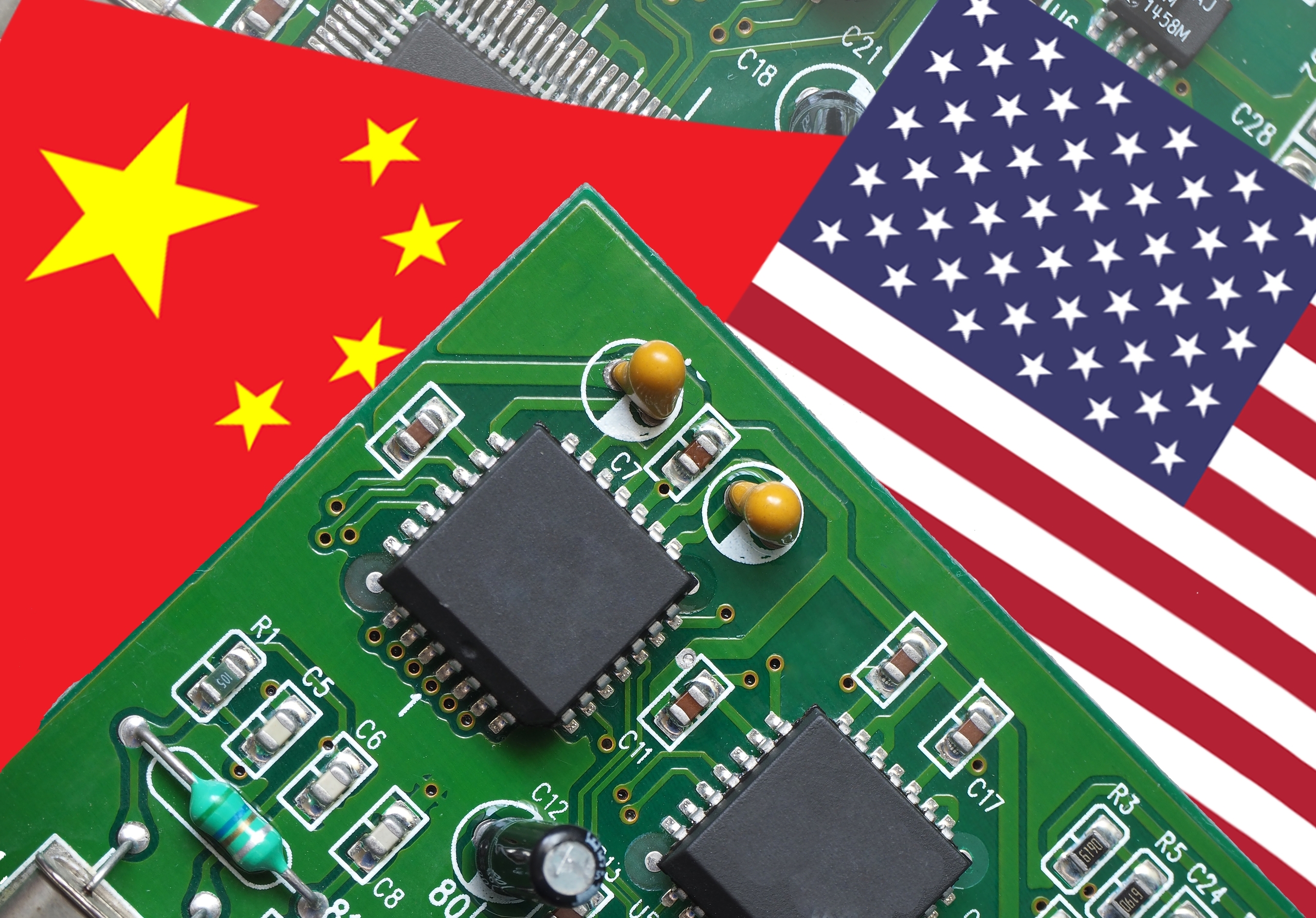
The U.S. Department of Commerce approved the export of nearly 900,000 advanced artificial intelligence chips produced by Nvidia Corp. and Advanced Micro Devices Inc. to Chinese entities over a six-month window through May 2026, according to licensing records disclosed Thursday, November 19, 2026, by the House Foreign Affairs Committee. Exercising legislative authority under the Export Control Reform Act, Committee Chairman Brian Mast released the most detailed export-licensing data in the statute’s history, intensifying bipartisan scrutiny over semiconductor export enforcement just as Washington tightens restrictions on overseas AI compute.
Pentagon-Listed Tech Giants Among Approved License Recipients
According to the congressional disclosure, the Commerce Department’s Bureau of Industry and Security (BIS) cleared more than 879,000 chips out of 3.4 million total units requested by chipmakers during the December 2025 to May 2026 period—an approval rate below 30%. Committee records show the authorized shipments covered accelerators such as Nvidia’s H200 and equivalent AMD processors, including allocations of 150,000 chips for Tencent, 75,000 for Alibaba, 43,000 for Baidu, and 4,000 for electric-vehicle manufacturer BYD. All four corporations appear on the Pentagon’s list of entities allegedly affiliated with China’s military.
Chairman Mast also flagged license applications involving entities such as Maginfra and New Matrix as suspected transshipment fronts, while top committee Democrat Rep. Gregory Meeks warned that lax licensing enforcement risked eroding U.S. technological leadership. Notably, granting an export license does not guarantee physical delivery: Nvidia has stated it halted H200 shipments to China—leaving roughly 600,000 units stranded in Hong Kong—and guided fourth-quarter revenue to $130 billion assuming zero China data-center compute sales.
Regulatory Convergence and Transmission Channels for Israeli Desks
The House panel’s disclosure arrives amid escalating regulatory pressure on Nvidia, including an investigative subpoena issued Thursday by California Attorney General Rob Bonta and a parallel Securities and Exchange Commission probe examining China chip flows and investor disclosures following former CEO Jensen Huang’s November 12 resignation. Simultaneously, BIS issued an interim final rule this week restricting remote cloud access to advanced AI chips via foreign data centers, closing an intermediary compute loophole used by Chinese developers.
For Israeli institutional pension managers and technology allocators on the Tel Aviv Stock Exchange (TASE), tightening U.S. export-control architecture reinforces structural tailwinds for allied semiconductor ecosystems. Israel—home to Nvidia’s largest international research and development center as well as leading chip-metrology, optical-interconnect, and cybersecurity firms—benefits from hyperscale capital expenditures shifting toward compliant Western and allied sovereign AI data centers. Concurrently, with the New Israeli Shekel (NIS) consolidating steadily near 3.17 per dollar against elevated 10-year U.S. Treasury yields above 5.10%, local multi-asset desks are balancing single-stock semiconductor regulatory volatility with domestic sovereign bonds (Shahar).
Outlook: Congressional Probes, BIS Rule Comments, and Supply-Chain Compliance
Moving into the final weeks of 2026 and early 2027, market participants will monitor ongoing House inquiries into Commerce Department licensing decisions alongside parallel SEC and state-level probes into third-party chip transshipment. Key catalysts to watch include industry feedback during the 60-day comment period on BIS’s new remote-access end-use controls, potential write-downs or reallocation of stranded Hong Kong H200 inventory, and stricter know-your-customer compliance requirements across global server manufacturers.
Comparison, examination, and analysis between investment houses
Leave your details, and an expert from our team will get back to you as soon as possible
* This article, in whole or in part, does not contain any promise of investment returns, nor does it constitute professional advice to make investments in any particular field.
To read more about the full disclaimer, click here
- Arik Arkadi Sluzki
- •
- 6 Min Read
- •
- ago 3 hours
SKN | Japanese Investors Seek $9.4 Billion of Anthropic Shares as AI IPO Demand Surges
Japanese investors demonstrated strong appetite for Anthropic's landmark public offering, seeking more than $9.4 billion of shares despite growing
- ago 3 hours
- •
- 6 Min Read

Japanese investors demonstrated strong appetite for Anthropic's landmark public offering, seeking more than $9.4 billion of shares despite growing

- orshu
- •
- 7 Min Read
- •
- ago 3 hours
SKN | Meta Targets Holiday AI Gadget Market With $300 Muse Charm Device
Meta Platforms is preparing to expand its artificial intelligence ambitions into dedicated consumer hardware, with its Muse Charm device
- ago 3 hours
- •
- 7 Min Read

Meta Platforms is preparing to expand its artificial intelligence ambitions into dedicated consumer hardware, with its Muse Charm device

- Lior mor
- •
- 6 Min Read
- •
- ago 3 hours
SKN | AMD Shares Slide as China Ties Raise Fresh U.S. Regulatory Scrutiny
Advanced semiconductor stocks faced renewed geopolitical pressure on Thursday after a report raised questions about AMD’s relationships with Chinese
- ago 3 hours
- •
- 6 Min Read

Advanced semiconductor stocks faced renewed geopolitical pressure on Thursday after a report raised questions about AMD’s relationships with Chinese

- sagi habasov
- •
- 8 Min Read
- •
- ago 3 hours
SKN | Apple Develops Its Own AI Agent to Control Devices, Browse the Web and Execute Tasks
Apple is advancing its artificial intelligence strategy by developing an autonomous AI agent designed to perform tasks across applications,
- ago 3 hours
- •
- 8 Min Read

Apple is advancing its artificial intelligence strategy by developing an autonomous AI agent designed to perform tasks across applications,
