




- Lior mor
- •
- 7 Min Read
- •
- 4 minutes ago


Key Points
- The Tel Aviv-35 fell 0.34% to 3,964.92, while the TA-125 declined 0.58% to 3,846.62.
- The TA-90 underperformed, dropping 1.68% to 3,500.71, as declines outnumbered advances across all reported indices.
- Equity turnover reached approximately NIS 4.59 billion, while bond turnover was higher at approximately NIS 6.40 billion.
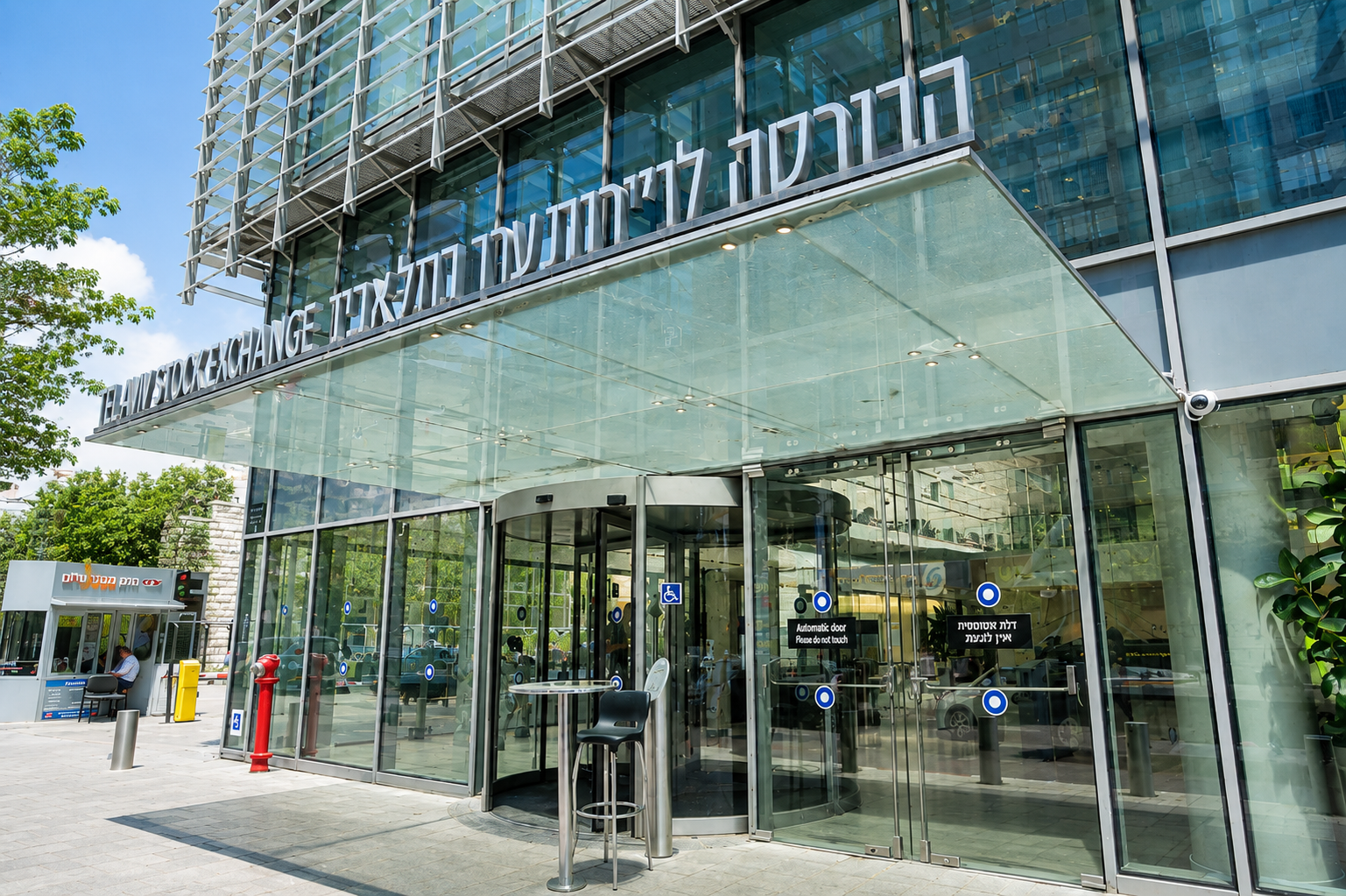
Israeli Equities Close Lower as Selling Pressure Broadens
The Tel Aviv Stock Exchange ended Wednesday, November 18, 2026, with losses across its principal benchmarks. The TA-35 declined 0.34% to 3,964.92, while the broader TA-125 lost 0.58% to 3,846.62. The TA-90 recorded the sharpest decline among the three major indices, falling 1.68% to 3,500.71.
The relative performance indicates that weakness was more pronounced among the shares represented in the TA-90 than among the largest companies in the market. Although the TA-35’s decline was comparatively limited, the broader market experienced more substantial selling pressure, suggesting that the session’s weakness extended beyond a small group of large-cap stocks.
The TA-125 also finished below the previous session’s level, reinforcing the negative tone across the exchange. With all three major benchmarks closing lower, the session reflected a broad retreat rather than an isolated decline in a single market segment.
Market Breadth Confirms Widespread Weakness
Market breadth provided further evidence of the session’s negative direction. Within the TA-35, 14 securities advanced compared with 20 that declined. The TA-90 recorded 16 advances against 72 declines, while the TA-125 had 30 advancing securities and 92 declining securities.
The weakness was also visible across the smaller and sector-focused indices. The TA-SME60 fell 0.48% to 1,161.98, with 18 advances and 41 declines. The TA 90 and Banks index dropped 1.81% to 3,710.55, recording 16 advances against 77 declines.
The TA-200 declined 1.13% to 3,671.85, with 52 advancing securities and 144 declining securities. The TA Sector-Balance lost 1.05% to 4,376.55, while the TA-20 fell 0.57% to 3,762.66.
The consistency of negative breadth across these benchmarks suggests that selling pressure was distributed across multiple segments. The banking index’s 1.81% decline was particularly notable, as it represented the steepest loss among the listed secondary indices.
Trading Activity and Individual Stock Movements
Equity turnover reached NIS 4.586 billion, based on reported trading of NIS 4,586,125 thousand. Bond turnover was approximately NIS 6.397 billion, equivalent to NIS 6,397,487 thousand. Bond activity therefore exceeded equity turnover by approximately NIS 1.81 billion, indicating greater trading value in fixed-income securities during the session.
Individual stock performance was mixed despite the broader market decline. Palo Alto was among the strongest performers in the TA-125, gaining 7.88% to 107,000. Its advance stood out against the prevailing weakness across the major indices.
One Technologies recorded the sharpest reported decline, falling 11.76% to 6,925. The substantial difference between these individual movements highlights the dispersion in performance beneath the broader market averages.
The reported individual turnover entry labeled “national” reached NIS 315.649 million. The supplied market data does not provide enough detail to identify the security more precisely.
What Investors Should Watch Next
The immediate focus will be whether the TA-35 can stabilize around the 3,965 level and whether the TA-125 can regain ground after closing at 3,846.62. The TA-90 also warrants attention following its larger decline, particularly whether its weakness continues relative to the leading benchmark.
Market breadth will be an important measure of any recovery. A sustained improvement would require more than a modest rebound in the headline indices; a broader increase in advancing securities would provide stronger evidence that selling pressure is easing.
Investors will also be watching activity in the banking sector, which recorded a significant decline, alongside the relationship between equity and bond turnover. The next sessions should help establish whether Wednesday’s weakness represents a temporary setback or the beginning of a more persistent period of market consolidation.
Comparison, examination, and analysis between investment houses
Leave your details, and an expert from our team will get back to you as soon as possible
* This article, in whole or in part, does not contain any promise of investment returns, nor does it constitute professional advice to make investments in any particular field.
To read more about the full disclaimer, click here
- orshu
- •
- 6 Min Read
- •
- ago 6 hours
SKN | Asian Markets Mixed on November 18, 2026 as KOSPI Rebounds 1.99% and Hang Seng Falls 0.90%
Asian Markets Deliver a Mixed Performance Asian markets recorded a mixed performance on November 18, 2026, as South Korea led
- ago 6 hours
- •
- 6 Min Read

Asian Markets Deliver a Mixed Performance Asian markets recorded a mixed performance on November 18, 2026, as South Korea led
- orshu
- •
- 4 Min Read
- •
- ago 8 hours
SKN | European Markets Slide as EURO STOXX 50 and DAX Lead Sharp Declines
European Markets Face Significant Selling Pressure European markets recorded a sharply weaker session on November 18, with the EURO
- ago 8 hours
- •
- 4 Min Read

European Markets Face Significant Selling Pressure European markets recorded a sharply weaker session on November 18, with the EURO

- sagi habasov
- •
- 6 Min Read
- •
- ago 13 hours
SKN | Asian Equities Snap Losing Streak on Nvidia Revenue Beat as Anthropic IPO Looms
Asian equities rebounded on Wednesday, November 18, 2026, snapping a four-session losing streak after Nvidia Corp. delivered a third-quarter revenue
- ago 13 hours
- •
- 6 Min Read

Asian equities rebounded on Wednesday, November 18, 2026, snapping a four-session losing streak after Nvidia Corp. delivered a third-quarter revenue
- sagi habasov
- •
- 7 Min Read
- •
- ago 14 hours
SKN | Wall Street Extends Tech Slide Ahead of Nvidia Results as Focus Turns to Anthropic’s $1.4 Trillion IPO Debut: Can Big AI Steady Market Sentiment?
U.S. equities extended their technology-driven decline on Tuesday, November 17, 2026, with all three major benchmarks finishing lower as institutional
- ago 14 hours
- •
- 7 Min Read

U.S. equities extended their technology-driven decline on Tuesday, November 17, 2026, with all three major benchmarks finishing lower as institutional
