




- Lior mor
- •
- 7 Min Read
- •
- 4 minutes ago


Key Points
- SpaceX’s Starship upper stage completed a 22.5-hour orbital mission and returned to its Texas launch pad for the first time.
- The spacecraft completed 14 Earth orbits and deployed 26 Starlink satellites before successfully re-entering the atmosphere and being caught by the launch tower.
- The milestone strengthens SpaceX’s long-term strategy for fully reusable launch systems, although recovering both stages and achieving rapid turnaround remain unresolved challenges.
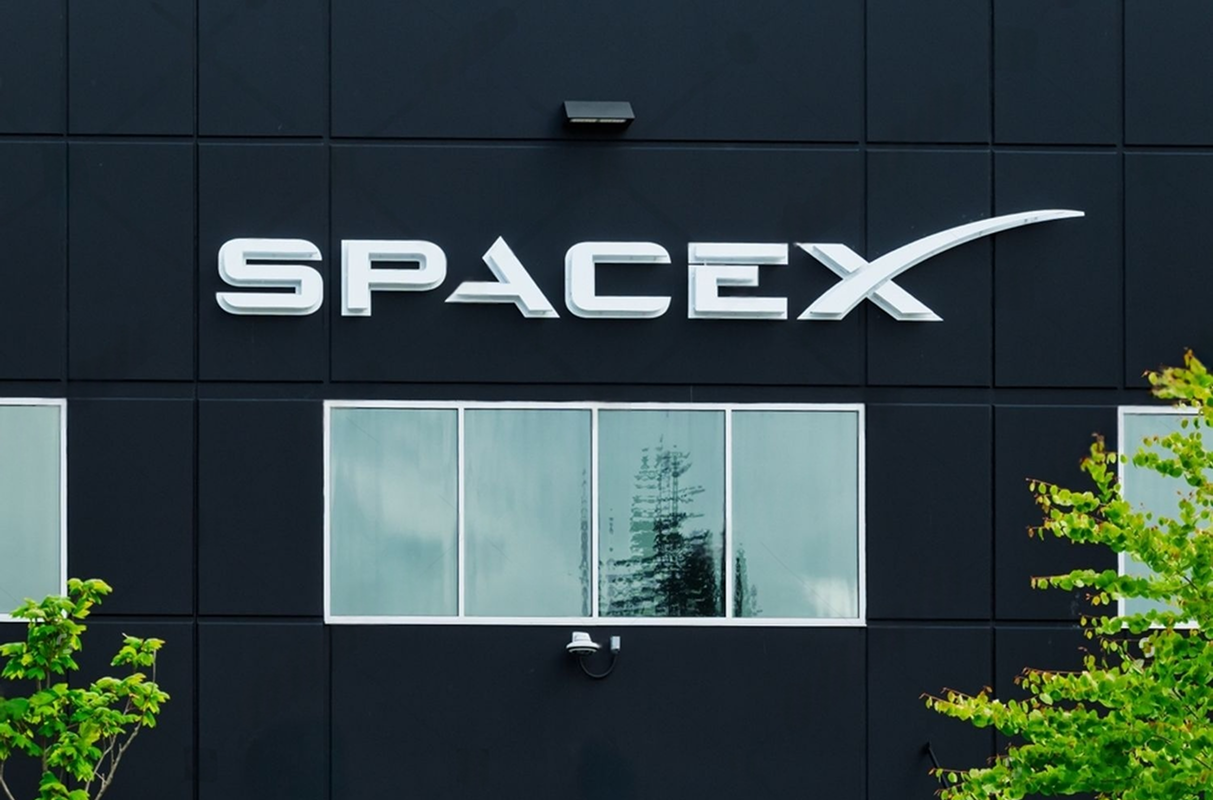
SpaceX has achieved a major milestone in its Starship program after the spacecraft’s upper stage returned from orbit and was successfully caught by the launch tower at the company’s Starbase facility in Texas. The achievement represents an important step toward SpaceX’s ambition to develop a fully reusable orbital rocket, a capability that could reshape the economics of satellite deployment and future human spaceflight.
Starship Completes Longest Mission Yet
The Starship upper stage completed a 22.5-hour mission, circling Earth 14 times before beginning its return to Texas. During the mission, the spacecraft deployed 26 Starlink satellites while operating at an altitude of approximately 161 miles, or 260 kilometers.
For the return, Starship fired one of its engines to initiate atmospheric re-entry before enduring extreme heating as its speed fell from approximately 17,000 miles per hour. The spacecraft then maneuvered toward Starbase, reignited its engines and transitioned into a controlled vertical descent.
Near the launch tower, mechanical arms known as “Mechazilla” captured the 171-foot-tall spacecraft, allowing it to remain suspended above the launchpad. SpaceX engineers began inspecting the vehicle shortly afterward, with Elon Musk saying the spacecraft appeared to be in good condition.
Upper-Stage Recovery Advances Reusability
The successful catch addresses one of the most important technical challenges in SpaceX’s Starship development program. The company wants the system to operate more like a commercial aircraft, allowing rockets to return to Earth and fly again with minimal refurbishment.
SpaceX’s Falcon 9 already demonstrates partial reusability, with its first stage capable of returning after launch. Its second stage, however, is discarded after delivering payloads into orbit. Starship is designed to eventually recover both stages, potentially allowing the entire launch system to be reused.
The latest mission did not achieve that complete objective. The Super Heavy booster failed to return to the launch pad approximately 10 minutes after liftoff, preventing SpaceX from recovering both stages on the same flight.
Billions Invested in Starship’s Commercial Potential
SpaceX has spent more than $15 billion developing Starship, while NASA has committed $3.2 billion through a contract valued at more than $4 billion for a Starship-based system intended to return humans to the Moon under the Artemis program.
The spacecraft is also central to SpaceX’s broader commercial strategy. Musk envisions Starship as the future workhorse for the company’s Starlink satellite business, while the program could eventually support orbital data centers, lunar missions and longer-term Mars ambitions.
Key Technical Milestones Remain
Despite the successful upper-stage recovery, Starship remains in development. Its heat shield, made from hundreds of black hexagonal tiles, is not yet fully reusable, and SpaceX is working on designs intended to require little or no refurbishment after each flight.
Another major challenge is in-orbit fuel transfer. Starship tanker vehicles will need to transfer fuel between spacecraft in orbit before longer missions beyond Earth, including planned lunar flights, can become operationally viable.
For investors and the broader aerospace industry, the next focus will be whether SpaceX can convert this engineering milestone into a repeatable operating model. Demonstrating recovery of both stages, improving heat-shield durability, reducing refurbishment requirements and completing orbital fuel-transfer tests will determine how quickly Starship can progress from an experimental platform toward a scalable launch and space-transportation system.
Comparison, examination, and analysis between investment houses
Leave your details, and an expert from our team will get back to you as soon as possible
* This article, in whole or in part, does not contain any promise of investment returns, nor does it constitute professional advice to make investments in any particular field.
To read more about the full disclaimer, click here
- Arik Arkadi Sluzki
- •
- 6 Min Read
- •
- ago 4 minutes
SKN | Bessent Calls for Outside CEO as Nvidia Faces Leadership and Governance Crisis
Nvidia is facing increasing pressure to overhaul its leadership following the abrupt departure of Jensen Huang, with U.S. Treasury
- ago 4 minutes
- •
- 6 Min Read
Nvidia is facing increasing pressure to overhaul its leadership following the abrupt departure of Jensen Huang, with U.S. Treasury

- Lior mor
- •
- 8 Min Read
- •
- ago 21 hours
SKN | Anthropic IPO Draws Sixfold Investor Demand as AI Giant Targets a $1.4 Trillion Valuation
Anthropic's planned stock market debut is attracting extraordinary investor interest, positioning the creator of Claude among the most closely
- ago 21 hours
- •
- 8 Min Read

Anthropic's planned stock market debut is attracting extraordinary investor interest, positioning the creator of Claude among the most closely
- Arik Arkadi Sluzki
- •
- 8 Min Read
- •
- ago 21 hours
SKN | Hedge Funds Dump Global AI Stocks at a Record Pace as Institutional Investors Reduce Technology Exposure
Institutional positioning in artificial intelligence stocks is undergoing a significant reversal, with hedge funds accelerating their reduction of exposure
- ago 21 hours
- •
- 8 Min Read
Institutional positioning in artificial intelligence stocks is undergoing a significant reversal, with hedge funds accelerating their reduction of exposure

- sagi habasov
- •
- 8 Min Read
- •
- ago 22 hours
SKN | Tesla Opens Cybercab Orders at $29,990, With Autonomy Subscription Costs Still in Focus
Tesla's reported decision to begin accepting Cybercab orders marks a new stage in its effort to commercialize autonomous transportation.
- ago 22 hours
- •
- 8 Min Read
Tesla's reported decision to begin accepting Cybercab orders marks a new stage in its effort to commercialize autonomous transportation.
