




- Arik Arkadi Sluzki
- •
- 6 Min Read
- •
- 2 minutes ago


Key Points
- The Australian Dollar Currency Index closed at 67.75 on November 13, declining 0.49% in the latest session and 1.33% over the five-day period.
- The index moved from a previous close of 68.08 to finish the week below its reported opening level of 67.85.
- Investors will continue monitoring currency-market conditions, global growth expectations and changes in risk appetite for potential signals about the Australian dollar’s direction.
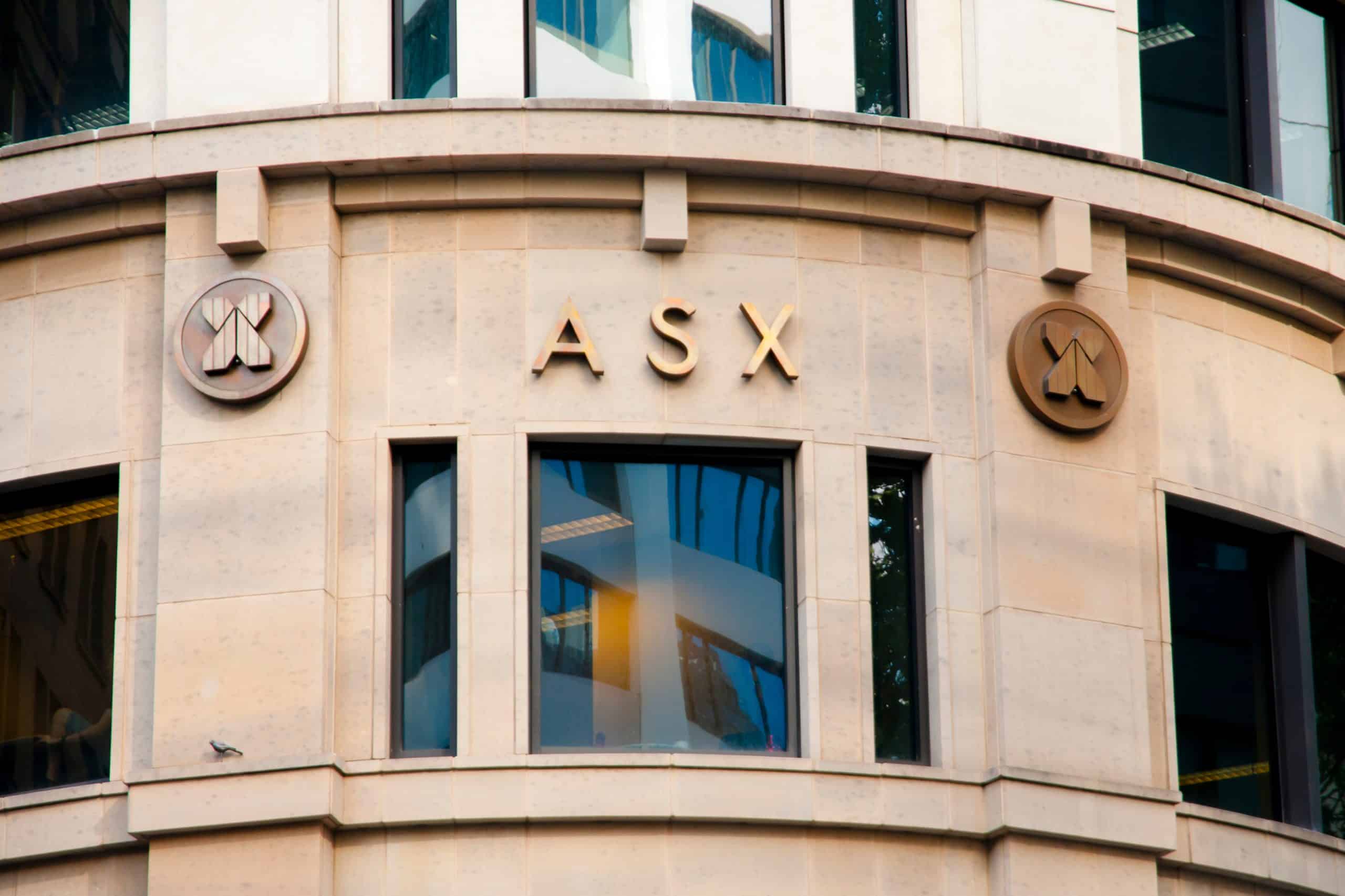
The Australian Dollar Currency Index ended the week on a weaker footing, closing at 67.75 on Friday, November 13, 2026. The index declined 1.33% over five trading days, while a further 0.49% loss in the latest session brought the weekly performance into focus as investors assessed the currency’s near-term positioning within the broader foreign-exchange market.
Weekly Performance Reflects Continued Downward Pressure
The index’s five-day decline of 1.33% indicates that the Australian dollar experienced a sustained loss over the reported trading period rather than a movement limited to Friday’s session. Its latest close of 67.75 represented a decrease of 0.33 points, or 0.49%, from the previous close of 68.08. The reported opening level was 67.85, leaving the index below that level at the end of the session.
Although the supplied figures establish the scale and direction of the decline, they do not identify a specific economic announcement or market event responsible for the move. The weekly performance should therefore be viewed as a measure of the currency’s recent trading direction rather than evidence of a confirmed shift in monetary-policy expectations or underlying economic conditions.
Friday Trading Shows a Relatively Narrow Range
During the latest session, the index traded between 67.69 and 68.04, a relatively narrow range compared with the broader weekly decline. The closing level near the lower end of that range indicates that the index did not recover its earlier intraday position before the session ended. However, a single session’s trading range is not sufficient to establish whether selling pressure is likely to persist.
The distinction between daily and weekly performance is relevant for foreign-exchange market participants. Friday’s decline added to the five-day loss, while the closing level provides a reference point for assessing whether the index stabilizes or experiences further weakness in subsequent sessions.
Global Currency Conditions Remain Important
The Australian dollar is influenced by several interconnected factors, including expectations for domestic monetary policy, international interest-rate differentials, commodity-market developments and demand for currencies associated with global economic activity. Changes in expectations for major central banks can also affect relative currency valuations by shifting yield comparisons and international capital flows.
For investors in Israel and other internationally exposed markets, movements in the Australian dollar can form part of a broader assessment of foreign-exchange exposure and global risk sentiment. Currency volatility may influence the value of overseas holdings when measured in local currency, even when the underlying assets experience different price movements.
In the coming week, attention will remain on whether the index can stabilize around its latest closing level of 67.75 or extend its recent decline. Developments in global interest-rate expectations, economic data and commodity prices may provide further direction. Nevertheless, the reported figures alone do not establish a durable trend, and currency volatility, changing risk appetite and shifts in international capital flows remain important considerations.
Comparison, examination, and analysis between investment houses
Leave your details, and an expert from our team will get back to you as soon as possible
* This article, in whole or in part, does not contain any promise of investment returns, nor does it constitute professional advice to make investments in any particular field.
To read more about the full disclaimer, click here
- sagi habasov
- •
- 7 Min Read
- •
- ago 1 hour
Shanghai Composite Slips 0.41% on the Week to 3,634.35 as Chinese Equities Face Renewed Selling Pressure
Chinese equities ended the week on a weaker footing, with the Shanghai Composite Index recording a modest decline despite
- ago 1 hour
- •
- 7 Min Read

Chinese equities ended the week on a weaker footing, with the Shanghai Composite Index recording a modest decline despite

- orshu
- •
- 6 Min Read
- •
- ago 3 hours
Japanese Yen Currency Index Slips 0.75% on the Week to 62.63 Despite Friday’s Modest Recovery
The Japanese Yen Currency Index ended the week on November 13, 2026, with a modest daily recovery that was
- ago 3 hours
- •
- 6 Min Read

The Japanese Yen Currency Index ended the week on November 13, 2026, with a modest daily recovery that was

- Ronny Mor
- •
- 6 Min Read
- •
- ago 3 hours
KOSPI Composite Index Gains 5.41% on the Week to 5,290.53 Despite Late-Session Pullback
South Korea's KOSPI Composite Index recorded a substantial weekly advance through November 13, reflecting strong overall performance in the
- ago 3 hours
- •
- 6 Min Read

South Korea's KOSPI Composite Index recorded a substantial weekly advance through November 13, reflecting strong overall performance in the

- omer bar
- •
- 6 Min Read
- •
- ago 6 hours
Euro Currency Index Falls 1.18% Over Five Days to 110.21 as Currency Weakness Raises Focus on European Monetary Outlook
The Euro Currency Index experienced renewed weakness during the trading period ending November 13, 2026, reflecting a negative trend in
- ago 6 hours
- •
- 6 Min Read

The Euro Currency Index experienced renewed weakness during the trading period ending November 13, 2026, reflecting a negative trend in
