




- sagi habasov
- •
- 6 Min Read
- •
- 3 minutes ago


Key Points
- CVS Health says employers and health plan sponsors could break even on GLP-1 drugs below $350 per month as lower medical costs offset prescription spending.
- A CVS analysis of Aetna claims data found GLP-1 users had 34% to 42% fewer hospitalizations after three years of treatment.
- Current prices still leave sponsors spending more overall, with three-year prescription costs exceeding medical savings by $3,900 per patient.
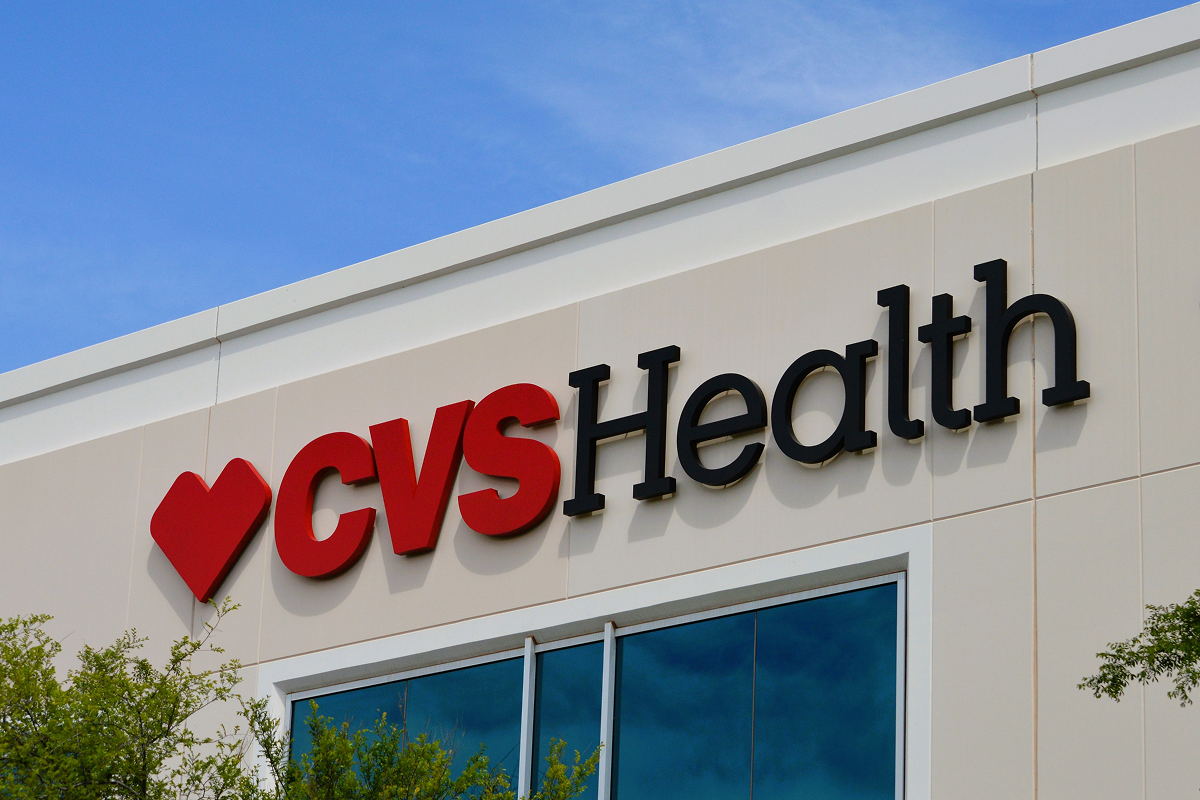
CVS Health says the economics of GLP-1 weight-loss and diabetes drugs could change significantly if monthly prices fall below $350, potentially allowing employers and other health plan sponsors to offset prescription costs through lower spending on medical services. The analysis comes as rising healthcare premiums and the high cost of GLP-1 treatments are putting pressure on coverage decisions across the U.S. healthcare system.
CVS Identifies $350 Price Threshold
CVS said an analysis of Aetna insurance claims data found that plan sponsors could reach a break-even point on GLP-1 medicines if the drugs were priced below $350 per month. The company said reduced use of healthcare services, including hospitalizations and emergency room visits, could generate enough savings to offset the cost of the medicines.
The analysis examined patients newly taking popular GLP-1 medicines from Eli Lilly and Novo Nordisk, including Mounjaro and Ozempic for diabetes and Zepbound and Wegovy for obesity. Patients began treatment between 2023 and 2025, with the analysis covering periods of up to three years.
Medical Savings Grow With Continued Use
CVS found that GLP-1 use across patients with obesity, diabetes or other conditions was associated with 10% to 12% fewer emergency room visits during the first and second years of treatment. The analysis covered 60,000 people during the first year and 20,000 during the second year.
Among approximately 4,000 patients who remained on the drugs for three years, hospitalizations declined by 34% to 42%, according to CVS. The company said the financial impact becomes more significant as patients remain on treatment and medical utilization falls.
Prescription Costs Still Exceed Savings
Despite the reduction in medical costs, current pricing means GLP-1 treatments still increase overall spending for health plan sponsors. Over three years, CVS calculated that sponsors saved $9,400 per patient on medical bills but spent an additional $13,300 on prescriptions, resulting in a net increase of $3,900 per person.
The company said the price at which GLP-1 treatments become cost-saving varies according to a patient’s underlying health risks. An older patient with diabetes, for example, faces a higher hospitalization risk than a younger patient with obesity without diabetes, potentially allowing medical savings to accumulate more quickly.
Coverage Pressure Is Increasing
The findings arrive as employers and other health plan sponsors reassess GLP-1 coverage amid rising healthcare costs. About 14% of companies have already dropped or plan to drop obesity-related GLP-1 coverage in 2027, while premiums are expected to rise by more than 9% next year.
Cash prices for Zepbound and Wegovy can be around $299 and $349 per month, respectively, while employers and other health plan sponsors paid between $617 and $766 monthly in 2025, according to an Employee Benefit Research Institute study cited by CVS.
For investors, the key issue is whether lower GLP-1 prices can broaden coverage while preserving the economic incentives for drugmakers, insurers and employers. CVS’s analysis suggests that pricing and patient risk profiles will be central to the long-term economics of GLP-1 treatment, particularly as healthcare providers and plan sponsors assess whether lower drug costs can translate into sustained reductions in medical spending.
Comparison, examination, and analysis between investment houses
Leave your details, and an expert from our team will get back to you as soon as possible
* This article, in whole or in part, does not contain any promise of investment returns, nor does it constitute professional advice to make investments in any particular field.
To read more about the full disclaimer, click here
- Arik Arkadi Sluzki
- •
- 7 Min Read
- •
- ago 52 minutes
SKN | U.S. Air Travel System Struggles to Recover After Historic Nationwide Ground Stop
Thousands of U.S. flights remained canceled or delayed on Saturday as airlines and airports worked to recover from a
- ago 52 minutes
- •
- 7 Min Read

Thousands of U.S. flights remained canceled or delayed on Saturday as airlines and airports worked to recover from a

- Ronny Mor
- •
- 6 Min Read
- •
- ago 1 day
Citadel Securities Expands Singapore and Sydney Offices Amid Asia-Pacific Growth Push
Citadel Securities Increases Regional Office Capacity Citadel Securities is expanding its presence in two major Asian financial centers, increasing office
- ago 1 day
- •
- 6 Min Read
Citadel Securities Increases Regional Office Capacity Citadel Securities is expanding its presence in two major Asian financial centers, increasing office

- sagi habasov
- •
- 8 Min Read
- •
- ago 4 days
SKN | US Inflation Surprise Lifts Treasury Yields and Dollar as December Fed Rate Hike Bets Strengthen
US Inflation Data Shifts Market Expectations Global markets reassessed interest-rate expectations on Tuesday after US consumer prices increased more than
- ago 4 days
- •
- 8 Min Read
US Inflation Data Shifts Market Expectations Global markets reassessed interest-rate expectations on Tuesday after US consumer prices increased more than

- omer bar
- •
- 7 Min Read
- •
- ago 1 month
SKN | Banking Regulators Intensify AI Oversight as Cybersecurity Risks Raise Financial Stability Concerns
Banking Regulators Expand Scrutiny of Advanced AI Financial regulators in the United States and Europe are intensifying their examination of
- ago 1 month
- •
- 7 Min Read

Banking Regulators Expand Scrutiny of Advanced AI Financial regulators in the United States and Europe are intensifying their examination of
