




- Lior mor
- •
- 7 Min Read
- •
- 1 minute ago


Key Points
- The CBOE Volatility Index (VIX) declined approximately 24.73% over five trading days, settling at 19.30 despite a 3.21% increase during the latest session.
- The volatility benchmark retreated significantly from its earlier elevated levels, with its reported intraday range of 17.64–20.92 indicating continued fluctuations in market uncertainty.
- The decline suggests a substantial easing in demand for short-term equity protection, although the latest rebound highlights that investor concerns have not entirely disappeared.
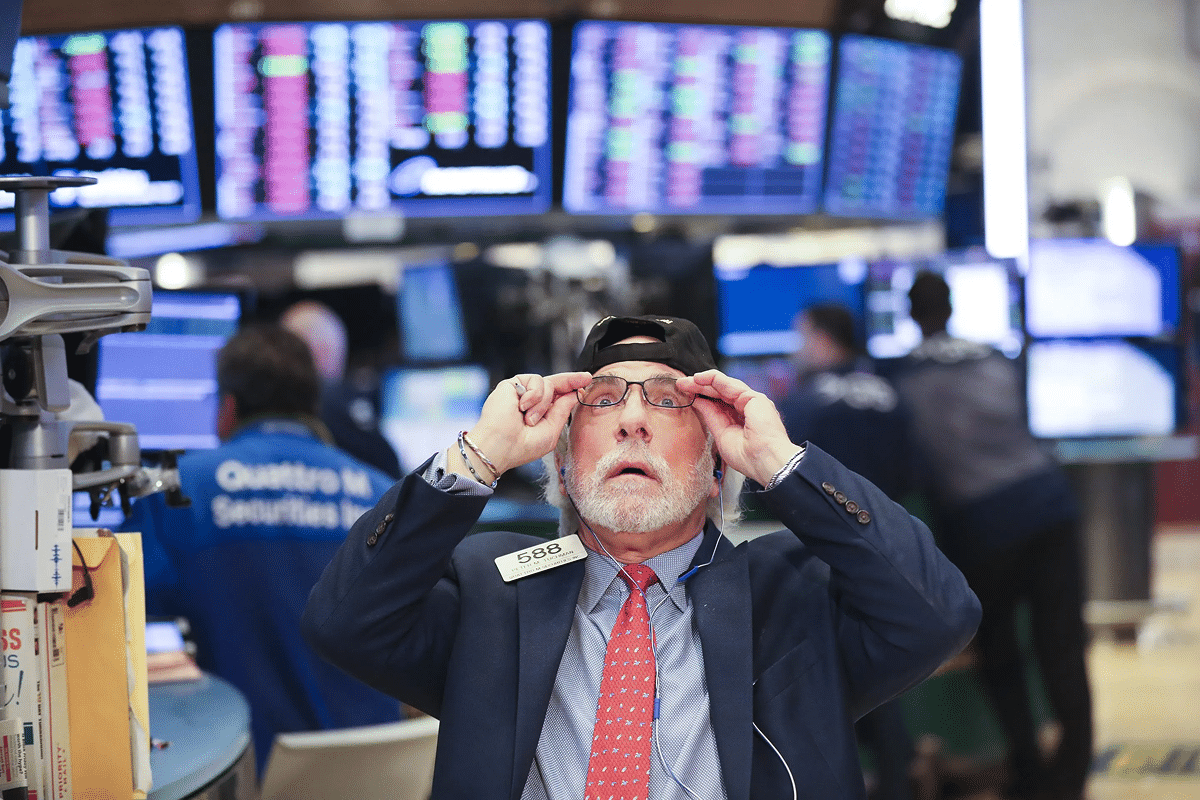
The CBOE Volatility Index (VIX) recorded a substantial weekly contraction, reflecting a meaningful reduction in the market’s implied expectations for near-term volatility across U.S. equities. The benchmark closed at 19.30, gaining 0.60 points, or 3.21%, during the latest session, while maintaining a reported five-day decline of approximately 24.73%. The contrasting daily and weekly movements suggest that although demand for portfolio protection has moderated considerably, investors remain responsive to changing economic expectations, monetary policy developments, and broader financial-market risks.
Weekly Volatility Decline Signals Moderation in Market Uncertainty
The VIX’s reported five-day decline of 24.73% represents a considerable reduction in implied volatility expectations. The index measures the market’s expectations of S&P 500 volatility over approximately 30 days, derived from options prices. Consequently, movements in the benchmark provide an indication of how investors are pricing potential equity-market fluctuations rather than a direct measure of actual market volatility.
The decline suggests that investors were demanding relatively less protection against potential short-term market fluctuations compared with the beginning of the measurement period. Such movements can accompany improving risk sentiment, stabilizing equity prices, or a reduction in demand for protective options strategies. However, a lower VIX does not necessarily indicate that underlying economic or financial risks have disappeared.
Friday Rebound Highlights Continuing Sensitivity to Market Risks
Despite its substantial weekly contraction, the VIX advanced during the latest session. Following a previous close of 18.70, the index opened at 18.78 and climbed to 19.30, recording a daily increase of 3.21%. Its intraday trading range extended from 17.64 to 20.92, illustrating that volatility expectations continued to fluctuate.
The recovery may indicate renewed demand for short-term downside protection or adjustments in options positioning. Nevertheless, the available data does not establish a specific catalyst for the increase. The distinction between the daily rebound and the broader weekly decline remains important: a single-session increase does not necessarily reverse a wider reduction in implied volatility.
For institutional investors, the VIX remains a relevant portfolio-risk indicator because changes in implied volatility can influence hedging costs, options pricing, and broader risk-management strategies. However, it should be considered alongside Treasury yields, credit spreads, equity-market breadth, and liquidity conditions.
Can Lower Volatility Expectations Be Sustained?
The VIX’s reported 52-week range of 13.38 to 35.30 places its latest reading of 19.30 closer to the lower portion of its annual trading boundaries. Although this indicates a less elevated volatility environment than during periods of significant market stress, it does not eliminate the possibility of renewed volatility.
The near-term outlook will depend on incoming inflation and employment data, Federal Reserve policy expectations, corporate earnings developments, and geopolitical conditions. Energy-price movements, fiscal uncertainty, and changes in Treasury yields could also trigger renewed demand for equity protection. For Israeli institutional investors and international asset allocators, fluctuations in global risk appetite may influence exposure to U.S. equities, international markets, and currency-hedging strategies. While the substantial weekly decline in the VIX offers a more constructive indication of market sentiment, sustaining that environment will likely require stable economic conditions and continued confidence in corporate earnings. The latest rebound serves as a reminder that volatility expectations can change quickly when investors reassess the balance between growth prospects and downside risks.
Comparison, examination, and analysis between investment houses
Leave your details, and an expert from our team will get back to you as soon as possible
* This article, in whole or in part, does not contain any promise of investment returns, nor does it constitute professional advice to make investments in any particular field.
To read more about the full disclaimer, click here
- Arik Arkadi Sluzki
- •
- 7 Min Read
- •
- ago 1 hour
US Dollar Index Advances 1.73% on the Week to 103.41, Approaching 52-Week High as Dollar Strength Persists
The US Dollar Index maintained a positive weekly trajectory through November 13, extending its advance toward the upper boundary
- ago 1 hour
- •
- 7 Min Read

The US Dollar Index maintained a positive weekly trajectory through November 13, extending its advance toward the upper boundary

- sagi habasov
- •
- 6 Min Read
- •
- ago 2 hours
Dow Jones Advances 2.07% on the Week to 52,347.55 as U.S. Blue-Chip Stocks Maintain Positive Momentum
The Dow Jones Industrial Average concluded the trading week ending November 13, 2026, with a positive performance, extending its advance
- ago 2 hours
- •
- 6 Min Read

The Dow Jones Industrial Average concluded the trading week ending November 13, 2026, with a positive performance, extending its advance

- orshu
- •
- 6 Min Read
- •
- ago 2 hours
Russell 2000 Gains 1.32% on the Week to 2,790.49 as U.S. Small-Cap Stocks Navigate Late-Week Volatility
The Russell 2000 Index maintained a positive weekly performance through November 13, 2026, extending its advance by approximately 1.32%
- ago 2 hours
- •
- 6 Min Read

The Russell 2000 Index maintained a positive weekly performance through November 13, 2026, extending its advance by approximately 1.32%

- Ronny Mor
- •
- 6 Min Read
- •
- ago 6 hours
S&P 500 Advances 2.51% on the Week Despite Friday Pullback as Wall Street Consolidates Recent Gains
The S&P 500 maintained a positive overall performance during the displayed trading period, although Friday's decline indicated that upward
- ago 6 hours
- •
- 6 Min Read

The S&P 500 maintained a positive overall performance during the displayed trading period, although Friday's decline indicated that upward