




- Lior mor
- •
- 8 Min Read
- •
- 5 minutes ago


Key Points
- The Roundhill Memory ETF (DRAM) has reportedly recorded 12 consecutive weeks of outflows, with approximately $5.7 billion withdrawn, according to the November 13 market snapshot.
- October withdrawals reached a reported $2.3 billion, while another $681 million left the fund in November to date.
- DRAM has fallen nearly 50% from its June peak, while the leveraged RAM ETF has experienced an even steeper decline, highlighting the risks of concentrated semiconductor exposure and daily leverage.
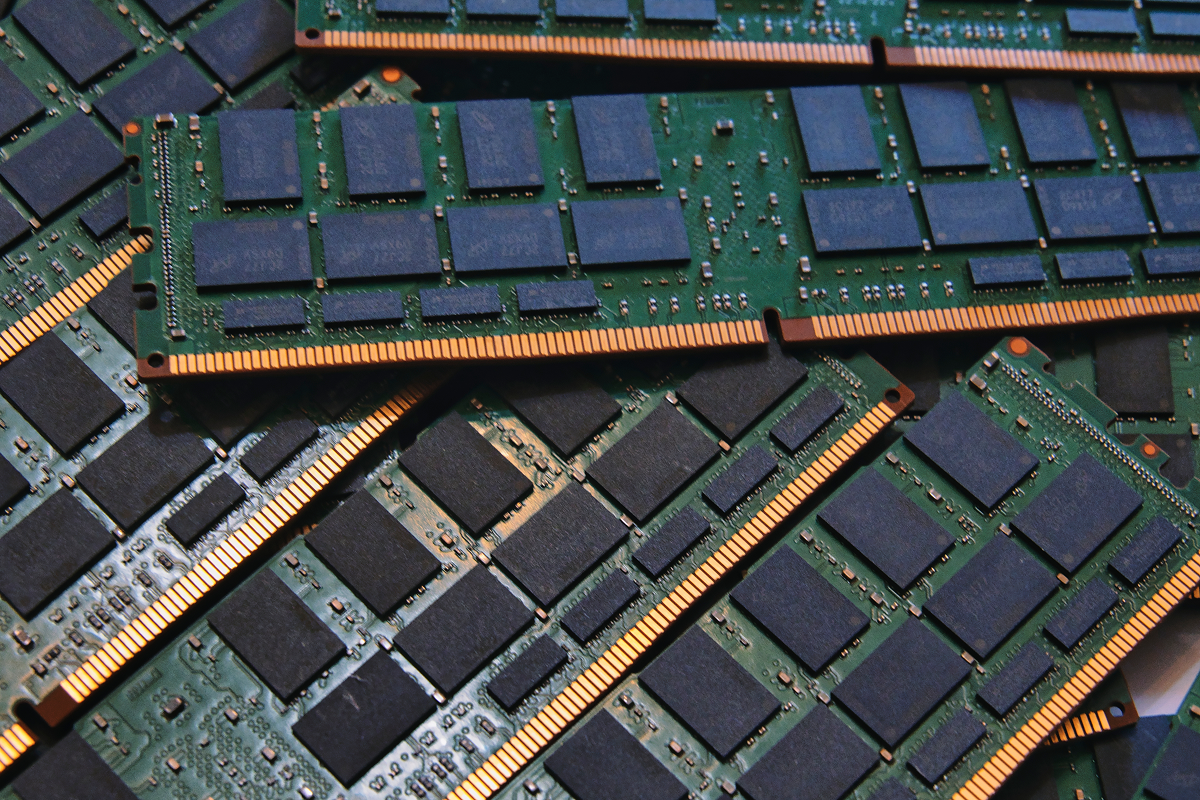
The investment enthusiasm that propelled memory-chip companies to the forefront of the artificial intelligence trade is facing a significant reversal. The Roundhill Memory ETF (DRAM), which provides concentrated exposure to global memory manufacturers, is experiencing sustained investor withdrawals alongside a substantial decline in its market value. The trend raises questions about investor confidence in the semiconductor sector’s near-term valuation outlook, even as memory remains strategically important to the expansion of AI infrastructure.
Persistent Redemptions Signal a Reassessment of Memory Stocks
According to the November 13 market snapshot, DRAM recorded 12 consecutive weeks of net outflows, totaling approximately $5.7 billion. October alone reportedly accounted for a record $2.3 billion in withdrawals, followed by another $681 million during November to date. Earlier reporting by ETF.com, published on November 6, had already identified approximately $5.2 billion in withdrawals since August 20, illustrating the scale of the reversal as investors reduced exposure to the fund.
The change is particularly notable given the ETF’s rapid expansion following its April 2026 launch. DRAM attracted substantial capital during the initial surge in memory-stock valuations, with assets reaching approximately $28.2 billion in August. By November 6, its assets had declined to around $14.4 billion. This reduction reflects both investor withdrawals and falling underlying share prices; it should not be interpreted as outflows alone.
The distinction matters because ETF assets under management can decline even when investors retain their positions. Nevertheless, sustained net redemptions indicate that capital is moving away from the strategy rather than simply experiencing mark-to-market losses.
Concentrated Exposure Amplifies the Sector’s Volatility
DRAM’s structure helps explain its sensitivity to developments across the memory industry. The fund invests in companies involved in memory and storage technologies, including dynamic random-access memory, NAND flash and high-bandwidth memory used in advanced computing systems.
Its September 30, 2026 factsheet showed that Micron Technology, Samsung Electronics and SK hynix represented approximately 73.8% of its portfolio combined. This concentration creates meaningful exposure to a relatively small group of companies whose valuations can respond sharply to changes in semiconductor demand expectations, production capacity, pricing conditions and AI-related capital expenditure.
The ETF’s decline of nearly 50% from its June peak, as reflected in the supplied market update, demonstrates how quickly sentiment can change in a specialized technology theme. ETF.com reported an even steeper decline of approximately 54% from the June peak to the fund’s November 5 low.
Importantly, weakening share prices do not necessarily mean that demand for memory products has collapsed. AI data centers require substantial memory capacity, particularly high-bandwidth memory. However, investors may be reassessing how much future growth is already reflected in company valuations, while also considering the possibility that additional manufacturing capacity could eventually affect pricing and margins.
Leveraged RAM ETF Highlights the Risks of Volatile Exposure
The pressure has been more severe for the Roundhill T-REX 2X Long DRAM Daily Target ETF (RAM), which seeks to deliver twice the daily performance of DRAM before fees and expenses. The November 13 market snapshot placed RAM nearly 80% lower over the period displayed, illustrating the potential consequences of combining concentrated sector exposure with leverage.
The distinction between daily and longer-term performance is critical. RAM resets its leverage target each trading day, meaning its cumulative return is not designed to equal twice DRAM’s performance over several weeks or months. Daily compounding can magnify losses during volatile markets, and the fund can decline over an extended period even if its underlying ETF eventually recovers some ground.
Roundhill explicitly warns that RAM is designed for knowledgeable investors who understand daily leverage and can monitor their positions frequently. Its stated net expense ratio is 1.25%, adding another cost to an already high-risk structure.
The next phase for memory stocks will depend on whether corporate earnings, memory pricing and demand from AI infrastructure operators can support current business expectations. Investors will also be monitoring capital flows into specialized semiconductor funds and the performance of major holdings such as Micron, Samsung and SK hynix. A stabilization in fund redemptions could indicate improving sentiment, but sustained withdrawals alongside further price weakness would suggest that the market is continuing to reassess the sector’s valuation and risk profile.
Comparison, examination, and analysis between investment houses
Leave your details, and an expert from our team will get back to you as soon as possible
* This article, in whole or in part, does not contain any promise of investment returns, nor does it constitute professional advice to make investments in any particular field.
To read more about the full disclaimer, click here
- sagi habasov
- •
- 6 Min Read
- •
- ago 2 days
MSCI to Remove Strategy From Global Indexes, Putting Billions in Passive Flows at Risk
MSCI Finalizes Exclusion of Digital Asset Treasury Companies Index provider MSCI will remove Strategy, the company led by Michael Saylor,
- ago 2 days
- •
- 6 Min Read

MSCI Finalizes Exclusion of Digital Asset Treasury Companies Index provider MSCI will remove Strategy, the company led by Michael Saylor,
- sagi habasov
- •
- 7 Min Read
- •
- ago 3 days
SKN | Microsoft Reclaims Second-Place Market Cap as Nvidia Faces AI and Governance Pressure
Microsoft has overtaken Nvidia as the world's second-most valuable company, marking the first time since June 2025 that the
- ago 3 days
- •
- 7 Min Read

Microsoft has overtaken Nvidia as the world's second-most valuable company, marking the first time since June 2025 that the

- Ronny Mor
- •
- 7 Min Read
- •
- ago 3 days
SKN | Nvidia Faces $400 Billion Two-Day Market-Value Wipeout as China Allegations Deepen Pressure
Nvidia shares extended their decline Tuesday, placing the semiconductor giant on course for an estimated $400 billion reduction in
- ago 3 days
- •
- 7 Min Read
Nvidia shares extended their decline Tuesday, placing the semiconductor giant on course for an estimated $400 billion reduction in

- Articles
- •
- 7 Min Read
- •
- ago 5 days
SKN | Leveraged ETF Inflows Reach a Record as Investors Increase Exposure Amid Market Volatility
The latest flows into U.S.-listed exchange-traded funds point to an aggressive shift in investor positioning during a period of
- ago 5 days
- •
- 7 Min Read

The latest flows into U.S.-listed exchange-traded funds point to an aggressive shift in investor positioning during a period of
