




- Lior mor
- •
- 7 Min Read
- •
- 10 minutes ago


Key Points
- Hawkish shift: Federal Reserve Governor Christopher Waller said a 50-basis-point rate increase in December should remain an option if October core CPI rose by at least 0.3%. The reported increase met that threshold.
- Market reaction: Waller's comments triggered a sharp rise in US bond yields, with the two-year Treasury yield recording its largest daily increase since April 2025.
- Policy uncertainty: Conflicting signals from Fed officials have left investors uncertain about the central bank's reaction function under Chair Kevin Warsh.
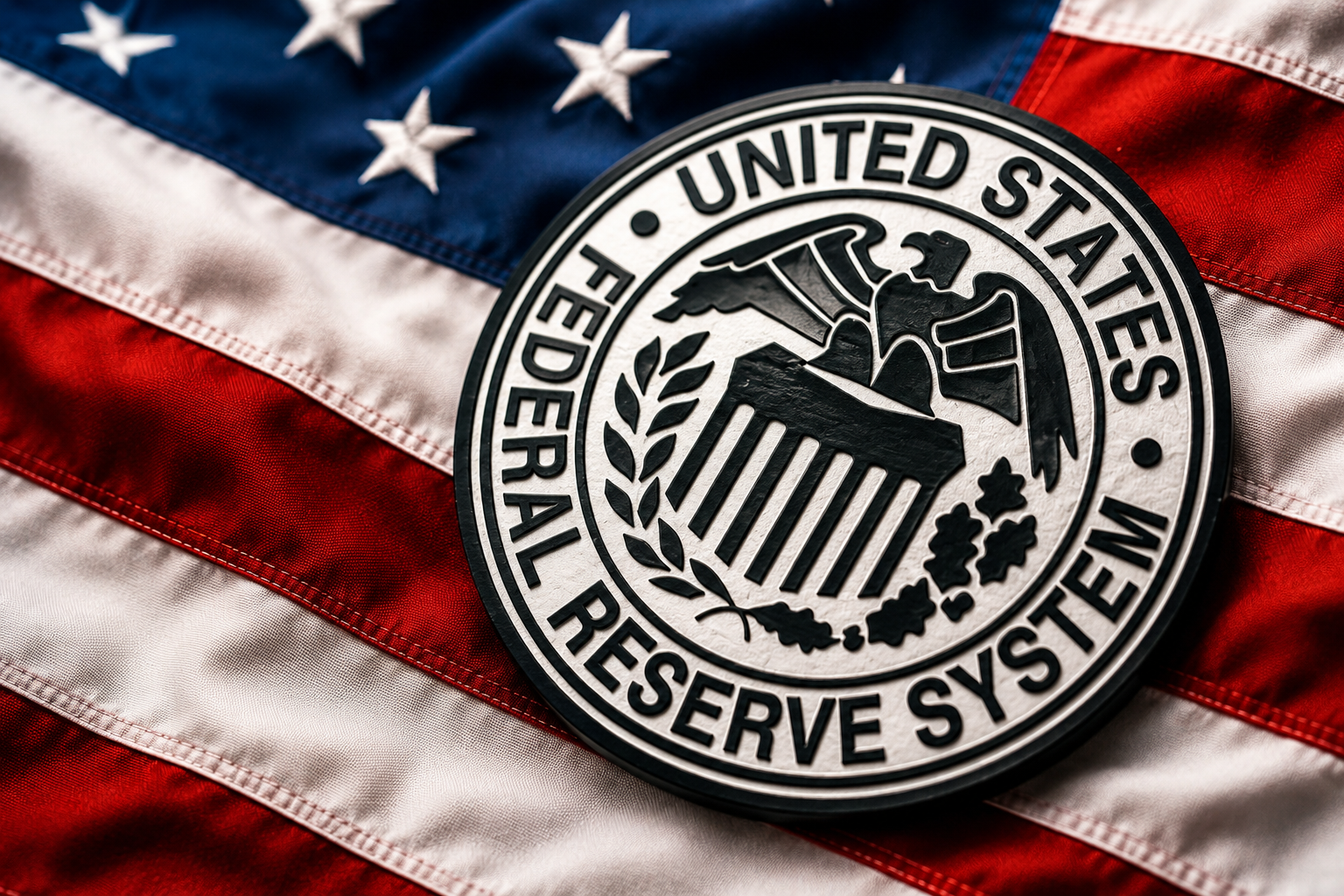
Fed Communication Comes Under Pressure
Federal Reserve Chair Kevin Warsh’s preference for limiting forward guidance is creating challenges for financial markets as policymakers deliver increasingly divergent signals about the direction of monetary policy.
Since replacing Jerome Powell in May, Warsh has sought to reshape the central bank’s operations, including its policy meeting schedule and decision-making framework. He has also argued that markets should avoid placing excessive weight on individual economic reports and that monetary policy should not be tied too closely to forecasts.
However, recent comments from Fed Governor Christopher Waller have highlighted the difficulty of maintaining a consistent message.
Speaking in London on Tuesday, Waller said a 50-basis-point rate increase in December should be considered if October’s monthly core Consumer Price Index increased by 0.3% or more. The subsequently released figure confirmed a 0.3% increase.
The remarks triggered a sharp increase in Treasury yields and raised questions about how policymakers are assessing inflation risks.
Waller’s Policy Position Has Shifted
Waller’s latest comments represent a significant change from his earlier policy stance. He previously dissented in favor of rate cuts when the Federal Open Market Committee held rates steady in July last year and January.
As recently as March 20, he indicated that continued weakness in the labor market could lead him to advocate for rate reductions later in the year.
His willingness to consider a half-percentage-point increase therefore marks a substantial shift in tone within a relatively short period.
Outside the 2022-2023 inflation-fighting campaign, the Federal Reserve has raised rates by 50 basis points only once in the past 30 years, in May 2000.
October’s inflation report showed that price pressures remain persistent, with elevated energy costs appearing to spread through the economy. However, other market developments have moved in a less hawkish direction.
Since the Fed’s October 28 decision to hold rates steady, oil prices have fallen nearly 20%, one-year inflation swaps have moved below 2%, and technology shares have weakened. The Nasdaq has declined 6%, while semiconductor stocks recorded their second-largest fall on record last Thursday.
A Healthy Policy Debate or Conflicting Signals?
Warsh has described disagreement among policymakers as a constructive part of the decision-making process. Different views within the FOMC can help improve policy discussions and reflect the uncertainty surrounding economic conditions.
The difficulty arises when those disagreements produce contradictory signals for investors.
Recent comments from other Fed officials, including traditionally hawkish policymakers such as Cleveland Fed President Beth Hammack, had suggested a preference for gradual tightening rather than a large increase immediately after a policy pause.
Before Waller’s remarks, markets were not fully pricing in 50 basis points of additional increases over the remainder of the tightening cycle. Expectations subsequently shifted toward approximately 75 basis points.
The change illustrates how a single policy signal can quickly alter interest-rate expectations when the central bank’s broader communication lacks a consistent direction.
What Investors Should Watch Next
Markets will be watching upcoming inflation data and further comments from Fed officials to determine whether Waller’s position reflects a broader shift in policy thinking or an individual view within the committee.
The debate also raises questions about the importance of individual data thresholds. A monthly core CPI reading just below 0.3% could have produced a different market reaction, even though the broader inflation trend may have remained largely unchanged.
Warsh has emphasized that monetary policy should respond to sustained trends rather than isolated data points. Whether the Fed can communicate that approach consistently will be important as investors assess the possibility of further rate increases.
Comparison, examination, and analysis between investment houses
Leave your details, and an expert from our team will get back to you as soon as possible
* This article, in whole or in part, does not contain any promise of investment returns, nor does it constitute professional advice to make investments in any particular field.
To read more about the full disclaimer, click here
- orshu
- •
- 8 Min Read
- •
- ago 2 hours
SKN | China and Poland Accelerate Gold Accumulation as Central Bank Demand Reshapes the Global Market
Central banks in China and Poland are continuing to expand their gold reserves, reinforcing the role of official-sector demand
- ago 2 hours
- •
- 8 Min Read

Central banks in China and Poland are continuing to expand their gold reserves, reinforcing the role of official-sector demand

- sagi habasov
- •
- 7 Min Read
- •
- ago 2 hours
SKN | U.S. Household Credit Stress Intensifies as Delinquencies Reach Multi-Year and Record Levels
Rising delinquencies across credit cards, auto loans and student debt are highlighting growing financial pressure on American households. The
- ago 2 hours
- •
- 7 Min Read

Rising delinquencies across credit cards, auto loans and student debt are highlighting growing financial pressure on American households. The

- Lior mor
- •
- 7 Min Read
- •
- ago 3 hours
SKN | Fed’s Jumbo Rate-Hike Option Enters Focus as Persistent Inflation Challenges Markets
U.S. monetary policy moved back to the center of global market attention Tuesday as Federal Reserve Governor Christopher Waller
- ago 3 hours
- •
- 7 Min Read
U.S. monetary policy moved back to the center of global market attention Tuesday as Federal Reserve Governor Christopher Waller
- sagi habasov
- •
- 6 Min Read
- •
- ago 3 hours
U.S. Small Businesses Prepare More Price Increases as Inflation Concerns Persist
Small-Business Pricing Plans Reach a Four-Year High U.S. small businesses are showing a renewed willingness to increase prices, with 37%
- ago 3 hours
- •
- 6 Min Read

Small-Business Pricing Plans Reach a Four-Year High U.S. small businesses are showing a renewed willingness to increase prices, with 37%
