




- Ronny Mor
- •
- 6 Min Read
- •
- 2 minutes ago


Key Points
- Restricted Chips Purchased: Northwestern Polytechnical University acquired two Nvidia H200 AI chips for 874,700 yuan, approximately $123,000, despite being subject to US export restrictions.
- Domestic Suppliers Provide Access: Procurement records show the university obtained the chips through a Chinese technology supplier and also secured access to advanced Nvidia processors through rented computing capacity.
- Export Control Challenges: Purchases by Chinese universities and research institutions highlight potential gaps in Washington's efforts to restrict China's access to advanced AI computing technology.
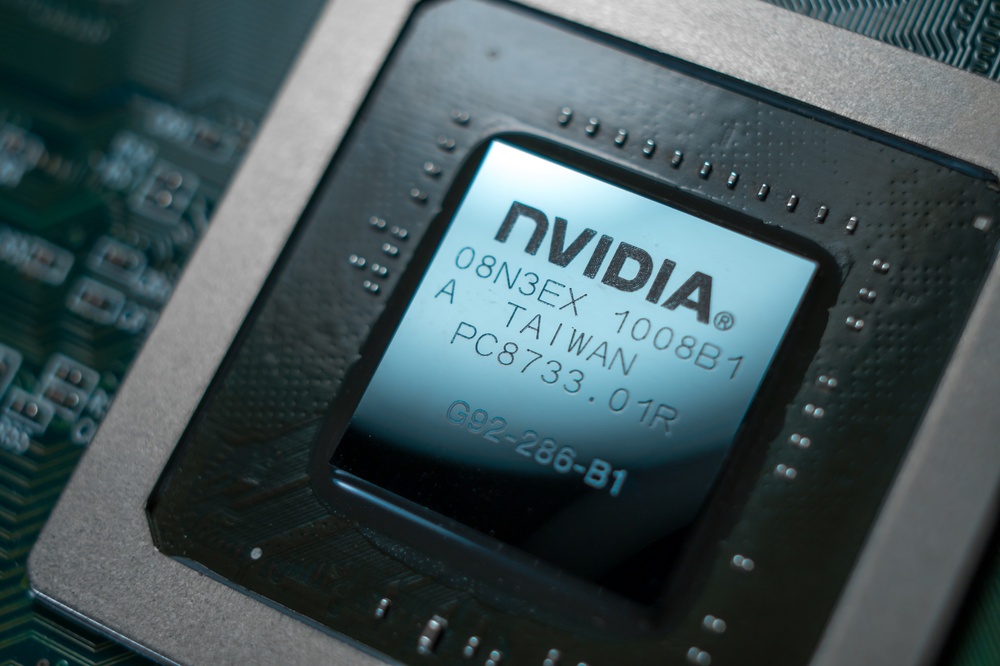
Chinese University Acquires Restricted Nvidia Chips
Northwestern Polytechnical University, a Chinese institution with extensive ties to the country’s military research sector, purchased two Nvidia H200 artificial intelligence chips last month despite being listed under US export restrictions.
An October 21 procurement record published on the university’s website shows that the institution paid 874,700 yuan, equivalent to approximately $123,000, for the processors.
The purchase was made for the university’s management school through Shaanxi Bosuan Network Technology rather than directly from Nvidia.
The H200 is among Nvidia’s most capable processors for training and operating advanced AI systems. Exports of the chip to China are subject to US licensing requirements, with applications generally denied for institutions included on the US trade blacklist.
The university also obtained access to H200 processors and other advanced Nvidia AI chips through five contracts for rented computing capacity from Chinese companies this year.
US Export Restrictions Face Enforcement Challenges
Northwestern Polytechnical University is part of China’s Seven Sons of National Defense group, a collection of universities known for defence-related research.
Based in Xi’an, the institution conducts research involving military aircraft, missiles and satellites. The US Commerce Department added it to the Entity List in 2001 over alleged involvement in missile proliferation and military research.
Restrictions were tightened in 2019, making export licences for controlled US technology supplied to the university subject to a general policy of denial in most circumstances.
The purchases illustrate how Chinese institutions can obtain access to restricted computing technology through domestic suppliers, either by purchasing physical processors or renting capacity from servers equipped with those chips.
A review of 26 Chinese procurement and corporate records from 2026 identified universities and research institutions purchasing US-restricted Nvidia processors or accessing Nvidia-powered computing services through domestic providers. Several institutions had connections to China’s defence industry or military research.
Nvidia and Washington Face Increasing Scrutiny
The findings come as Nvidia and Chief Executive Jensen Huang face growing political scrutiny in Washington over the company’s position on US restrictions governing AI chip exports to China.
Huang has argued that allowing continued US sales would help preserve American technological leadership while keeping Chinese customers dependent on US technology.
However, lawmakers from both parties have expressed concern that access to advanced Nvidia processors could accelerate China’s development of AI applications for weapons design, intelligence analysis and military modernization.
Several members of Congress have called for stronger export controls, including chip-tracking requirements and greater congressional oversight. Three Republican congressional committee chairmen have also requested a briefing with Huang on November 18 concerning his reported contacts with an alleged Chinese intelligence operative.
What Investors Should Watch Next
The latest procurement findings could intensify scrutiny of how US export restrictions are implemented and enforced. Further attention may focus on domestic suppliers, rented computing capacity and the ability of restricted institutions to obtain advanced processors indirectly.
Investors will also be watching potential changes to US export policy and the implications for Nvidia’s access to the Chinese market. The balance between commercial opportunities and national security restrictions remains a central issue for the company’s international business strategy.
Comparison, examination, and analysis between investment houses
Leave your details, and an expert from our team will get back to you as soon as possible
* This article, in whole or in part, does not contain any promise of investment returns, nor does it constitute professional advice to make investments in any particular field.
To read more about the full disclaimer, click here