




- sagi habasov
- •
- 7 Min Read
- •
- 1 minute ago


Key Points
- Elon Musk’s Tesla-SpaceX venture Terafab has told semiconductor equipment makers it targets 1 million wafer starts per month by 2032, allocating 700,000 to memory and 300,000 to logic chips.
- Procurement delegations have approached Japanese and South Korean toolmakers seeking accelerated deliveries for an initial mass-production launch slated for late 2028.
- For international allocators and Israeli tech investors, Terafab’s staggering capital demands test the commercial feasibility of total vertical integration against high sovereign yields.
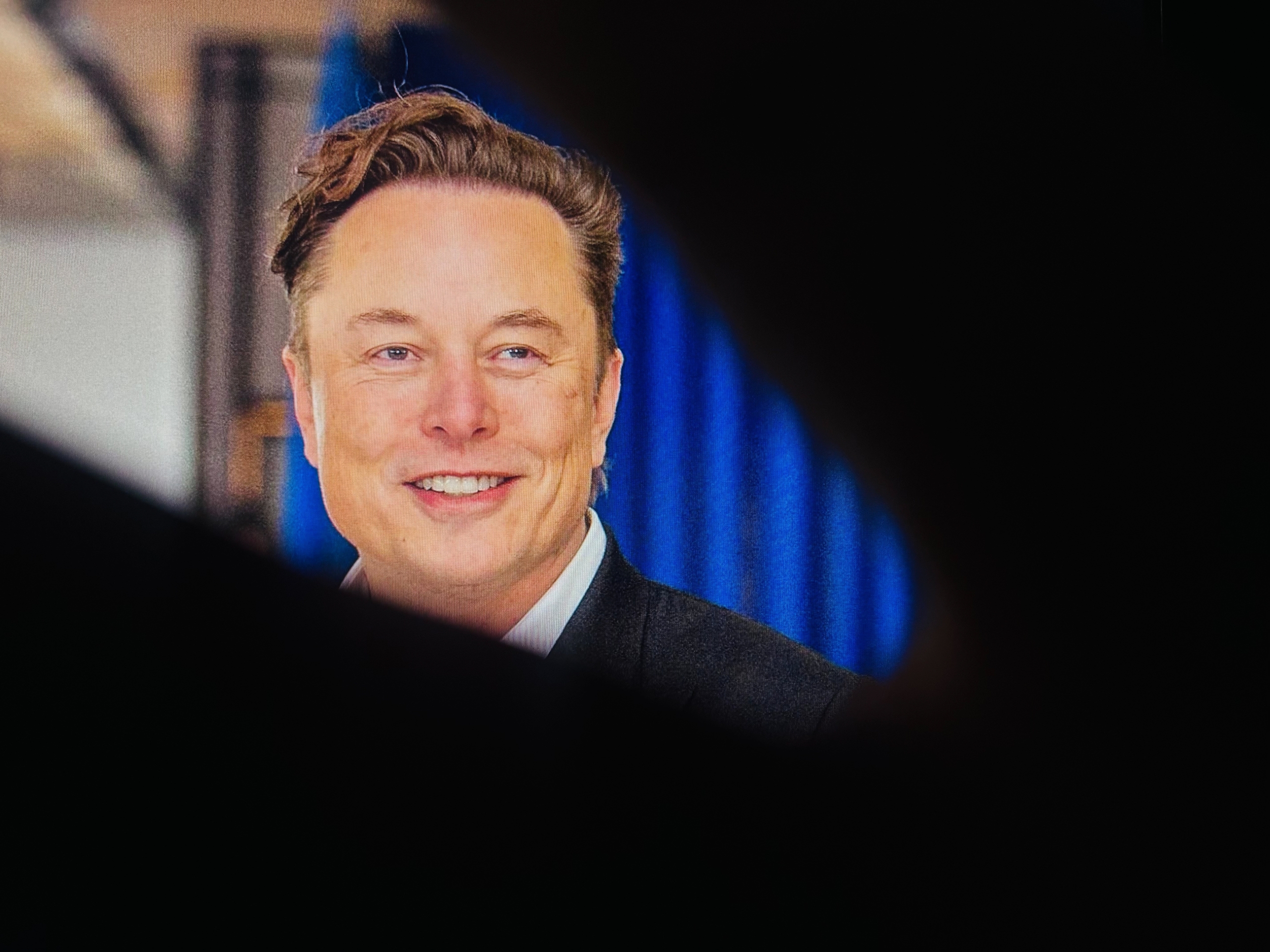
Elon Musk’s joint Tesla and SpaceX semiconductor project, dubbed Terafab, has outlined an unprecedented long-term manufacturing roadmap targeting a run rate of 1 million processed silicon wafers per month from 2032 onward, according to reports from Nikkei. The strategic blueprint allocates 700,000 monthly wafer starts to advanced memory chips and 300,000 to logic processors, seeking to vertically integrate silicon supply across autonomous vehicles, humanoid robotics, and space-based computing clusters. Unfolding amid post-election regulatory scrutiny in Texas and rising capital costs, the initiative marks a bold attempt to bypass traditional commercial foundries, even as industry veterans question the operational feasibility of replicating global supply chains in-house.
Unprecedented Scale Rivaling Global Memory and Foundry Titans
The production volume outlined by Terafab represents an unprecedented buildout in modern industrial manufacturing. To put the 700,000 monthly memory wafer target into perspective, it roughly matches the entire global DRAM manufacturing capacity of Samsung Electronics, the world’s leading memory producer. Meanwhile, a run rate of 300,000 leading-edge logic wafers per month would rival the total cutting-edge capacity of Taiwan Semiconductor Manufacturing Co. (TSMC). The aggressive timeline envisions starting initial volume production in the second half of 2028 before scaling toward the full million-wafer threshold within a decade.
To meet this aggressive ramp, Terafab procurement teams have approached major Japanese equipment manufacturers—including Tokyo Electron and metrology providers—alongside South Korean packaging suppliers, requesting expedited tool deliveries within months. While toolmakers welcome prospective multi-billion-dollar order books, suppliers privately express caution over tight delivery schedules and unproven yield engineering. Fabricating advanced high-bandwidth memory (HBM) and sub-3-nanometer logic under a single operating umbrella requires tens of billions of dollars in initial capex and thousands of specialized process engineers, presenting extreme execution risk.
Cross-Asset Friction and Strategic Read-Throughs for Israeli Tech
The immense capital deployment demanded by Terafab carries significant cross-border implications for global institutional allocators and Israel’s advanced semiconductor ecosystem. In public markets, Tesla shareholders must weigh the dilutive impact of co-funding multi-year fabrication facilities in Grimes County, Texas, particularly after recent midterm political shifts placed local utility subsidies and water-usage permits under closer regulatory scrutiny. With benchmark 10-year U.S. Treasury yields holding near 4.90%, financing capital-intensive megaprojects through equity-linked or corporate debt structures imposes high hurdle rates that compress near-term return on invested capital (ROIC).
For the Israeli technology corridor, Terafab’s ambition offers a dual-edged structural signal. Israel represents a global center of excellence in semiconductor process inspection, optical metrology, and yield-management automation—with firms like Nova and Camtek supplying key tools to global foundries. A massive new fabrication ecosystem in North America could unlock substantial tool orders for Israeli hardware suppliers. However, domestic fabless semiconductor designers listed on the Tel Aviv Stock Exchange (TASE) remain wary; unproven vertical integration by major tech platforms threatens to fragment global chip architectures, prompting local institutional pension managers to maintain defensive portfolio allocations in established pure-play software and cybersecurity firms over speculative hardware consortia.
Outlook: Pilot Milestones, Tool Delivery Timelines, and Capital Scrutiny
Moving into 2027, market participants will monitor whether Terafab meets critical pre-construction milestones for its Texas facility and secures binding tool allocations from Japanese, Korean, and European lithography suppliers. Key indicators to track include corporate disclosures regarding how construction expenditures are apportioned between Tesla’s public balance sheet and SpaceX, initial tape-out validations of in-house inference chips, and environmental regulatory reviews from incoming state authorities. If Terafab successfully proves pilot-line yields by 2028, it could disrupt the traditional fabless-foundry paradigm; however, any supply-chain bottlenecks or severe yield delays will leave Musk’s hardware ambitions heavily dependent on external foundries for the foreseeable future.
Comparison, examination, and analysis between investment houses
Leave your details, and an expert from our team will get back to you as soon as possible
* This article, in whole or in part, does not contain any promise of investment returns, nor does it constitute professional advice to make investments in any particular field.
To read more about the full disclaimer, click here
- Articles
- •
- 8 Min Read
- •
- ago 9 hours
SKN | Hedge Funds Accelerate Their Exit From Global AI Stocks as Institutional Selling Reaches a Record
Institutional investors are accelerating their withdrawal from global artificial intelligence stocks, with hedge fund selling reaching an exceptional level
- ago 9 hours
- •
- 8 Min Read

Institutional investors are accelerating their withdrawal from global artificial intelligence stocks, with hedge fund selling reaching an exceptional level
- Articles
- •
- 7 Min Read
- •
- ago 9 hours
SKN | AI Trade Faces Its Deepest Correction as Goldman Sachs’ Memory-Exposed Stock Basket Falls 51% From Its Peak
The artificial intelligence trade is undergoing a significant correction, with a Goldman Sachs basket of memory-exposed stocks recording its
- ago 9 hours
- •
- 7 Min Read

The artificial intelligence trade is undergoing a significant correction, with a Goldman Sachs basket of memory-exposed stocks recording its
- Articles
- •
- 6 Min Read
- •
- ago 10 hours
SKN | OpenAI Secures $11 Billion Funding at $1.25 Trillion Valuation as AI Capital Race Intensifies
OpenAI has secured $11 billion in new funding at a valuation of approximately $1.25 trillion, according to a source familiar
- ago 10 hours
- •
- 6 Min Read

OpenAI has secured $11 billion in new funding at a valuation of approximately $1.25 trillion, according to a source familiar

- sagi habasov
- •
- 7 Min Read
- •
- ago 1 day
SKN | Wall Street Suffers Its Sharpest Sell-Off Since 2025 as AI Stocks Face a Major Repricing
Wall Street experienced a significant reversal on Thursday, November 5, as investors rapidly reduced exposure to technology and artificial
- ago 1 day
- •
- 7 Min Read

Wall Street experienced a significant reversal on Thursday, November 5, as investors rapidly reduced exposure to technology and artificial
