




- orshu
- •
- 7 Min Read
- •
- 2 minutes ago


Key Points
- The Nikkei 225 fell 6.0% on Friday, leaving the Japanese benchmark more than 20% below its June peak and placing it in bear-market territory.
- The decline highlights the vulnerability of Japan’s technology-heavy equity market to sharp changes in global investor sentiment.
- The sell-off comes amid broader pressure on technology and semiconductor shares, raising questions about market concentration, valuations and the sustainability of AI-related expectations.
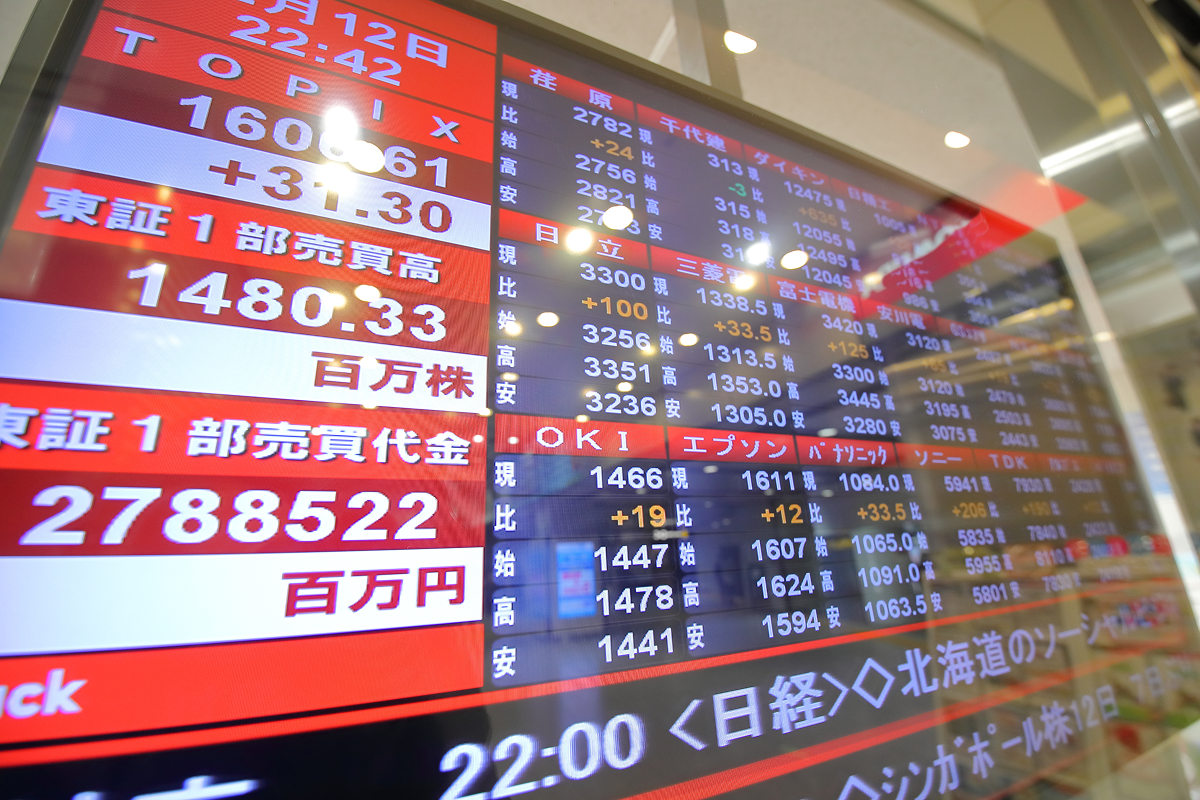
Japan’s equity market has entered a significant correction phase, with the Nikkei 225 falling 6.0% on Friday and moving more than 20% below its June peak. The decline places the benchmark in bear-market territory, marking a substantial reversal for one of Asia’s most closely watched equity markets and highlighting the pressure facing technology-oriented stocks.
Nikkei 225 Crosses the Bear-Market Threshold
The Nikkei 225’s Friday decline of 6.0% brought its cumulative retreat to more than 20% from its June high. A decline of at least 20% from a recent peak is commonly used to define a bear market, distinguishing the move from a more limited market correction.
The speed and scale of the latest decline indicate a meaningful deterioration in market sentiment. For investors with exposure to Japanese equities, the development is particularly important because the Nikkei includes major companies operating in technology, electronics, semiconductor equipment and other globally connected industries.
The supplied market update identifies the index’s technology-heavy composition as an important feature of the sell-off. However, it does not provide a detailed breakdown of Friday’s individual sector contributions or establish a single cause for the decline.
Technology Exposure Amplifies Market Volatility
The pressure on Japan’s equity market comes against a broader backdrop of weakness in global technology shares. The accompanying market heatmap illustrates substantial losses among major U.S. technology and semiconductor companies during Thursday’s trading session, including Nvidia, Microsoft, Amazon and several semiconductor-related businesses.
This international context is relevant because Japanese technology and electronics companies operate within interconnected global supply chains. Changes in investor expectations for semiconductor demand, AI infrastructure spending and technology-sector profitability can influence sentiment toward companies across multiple markets.
The concentration of technology-related companies in the Nikkei can also amplify index movements when investors reduce exposure to growth-oriented equities. Nevertheless, the U.S. stock-market heatmap represents a separate trading session and does not independently establish the direct cause of Friday’s decline in Japan.
Global Investors Reassess Risk Exposure
The Nikkei’s entry into bear-market territory carries implications beyond Japan. The country remains an important component of international equity portfolios, and a sharp deterioration in its benchmark can influence regional market sentiment and portfolio positioning.
For institutional investors, the distinction between a temporary correction and a more prolonged downturn will depend on developments in corporate earnings, global technology demand and broader financial conditions. A sustained decline in major technology shares could place additional pressure on Japanese companies exposed to international semiconductor and electronics markets.
At the same time, the 20% threshold is a market classification rather than a prediction that further losses are inevitable. Whether the Nikkei stabilizes or experiences additional weakness will depend on the factors driving investor selling and the market’s assessment of future earnings prospects.
Going forward, investors will be watching the Nikkei’s ability to stabilize, the performance of Japanese technology and semiconductor shares, and developments across U.S. and Asian equity markets. The duration of the downturn will also matter: a prolonged bear market could influence capital allocation and risk appetite across the region, while a recovery in technology-sector sentiment could help restore confidence. For global investors, the immediate priority is understanding whether the latest decline reflects a reassessment of valuations or a more fundamental deterioration in earnings expectations.
Comparison, examination, and analysis between investment houses
Leave your details, and an expert from our team will get back to you as soon as possible
* This article, in whole or in part, does not contain any promise of investment returns, nor does it constitute professional advice to make investments in any particular field.
To read more about the full disclaimer, click here
- sagi habasov
- •
- 7 Min Read
- •
- ago 2 minutes
SKN | Wall Street Suffers Its Sharpest Sell-Off Since 2025 as AI Stocks Face a Major Repricing
Wall Street experienced a significant reversal on Thursday, November 5, as investors rapidly reduced exposure to technology and artificial
- ago 2 minutes
- •
- 7 Min Read

Wall Street experienced a significant reversal on Thursday, November 5, as investors rapidly reduced exposure to technology and artificial

- Arik Arkadi Sluzki
- •
- 7 Min Read
- •
- ago 2 minutes
SKN | AI Financial Commitments Reach a Record $4.1 Trillion: What Are the Hidden Obligations Behind Big Tech’s Expansion?
The global artificial intelligence investment cycle is creating financial obligations that extend well beyond the capital expenditure figures reported
- ago 2 minutes
- •
- 7 Min Read

The global artificial intelligence investment cycle is creating financial obligations that extend well beyond the capital expenditure figures reported

- Lior mor
- •
- 8 Min Read
- •
- ago 2 minutes
SKN | Wall Street Ends a Volatile Week Lower as AI Concerns, Rate Expectations and Market Positioning Weigh on Sentiment
U.S. equity markets ended a volatile trading week in negative territory as investors reassessed technology valuations, the scale of
- ago 2 minutes
- •
- 8 Min Read

U.S. equity markets ended a volatile trading week in negative territory as investors reassessed technology valuations, the scale of

- Ronny Mor
- •
- 7 Min Read
- •
- ago 5 hours
SKN | Tesla to Wind Down Cybertruck Production as Weak Sales Shift Focus to Cybercab
Tesla is preparing to wind down production of the Cybertruck at its Texas gigafactory around mid-2027, marking a significant
- ago 5 hours
- •
- 7 Min Read

Tesla is preparing to wind down production of the Cybertruck at its Texas gigafactory around mid-2027, marking a significant
