




- Arik Arkadi Sluzki
- •
- 6 Min Read
- •
- 2 minutes ago


Key Points
- Qualcomm shares fell about 9% in premarket trading after smartphone chip sales missed Wall Street estimates.
- The handset division, Qualcomm's largest business, reported a 26% revenue decline to $5.14 billion.
- Data-center and automotive expansion offers longer-term growth potential, but analysts remain cautious as higher input costs and declining Apple-related revenue weigh on near-term earnings.
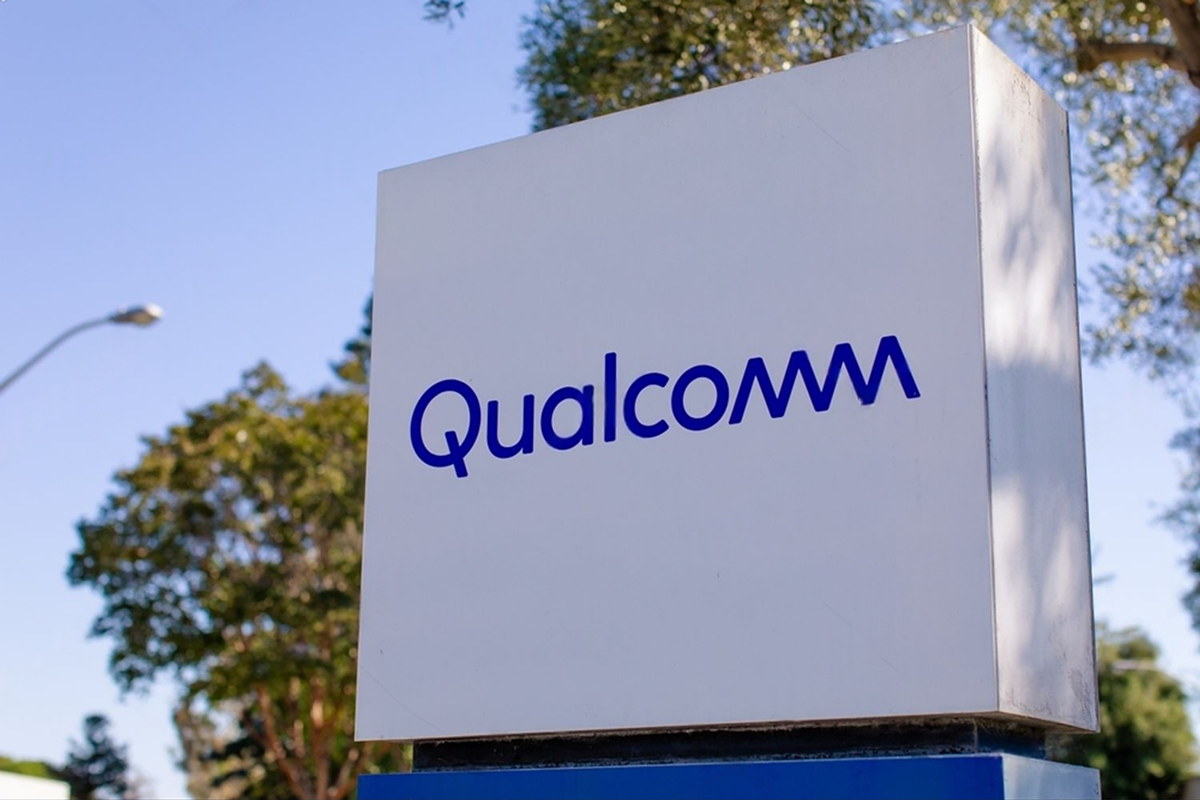
Qualcomm shares came under heavy pressure on Thursday after the chip designer reported weaker-than-expected smartphone chip sales, raising concerns that weakness in its core handset business could offset momentum in newer growth areas. The stock fell about 9% in premarket trading, putting Qualcomm on track to lose roughly $17.5 billion in market value if the decline holds.
Handset Weakness Drives the Market Reaction
Qualcomm’s latest results highlighted the continuing pressure on its largest business. Quarterly revenue from the handset division fell 26% to $5.14 billion, contributing to an 8% decline in total chip segment sales to $9.02 billion.
The weakness comes as smartphone demand remains a key challenge for semiconductor companies. Qualcomm is also navigating the effects of declining Apple-related revenue, while higher input costs have added further pressure to its near-term financial outlook.
The combination has raised questions about how quickly Qualcomm can offset its traditional handset exposure through newer businesses. Although the company has expanded into areas including data centers and automotive chips, analysts indicated that the improved visibility in those markets has not yet translated into stronger near-term earnings.
Data Center Expansion Offers a Longer-Term Growth Path
Qualcomm is attempting to broaden its business beyond smartphones as AI infrastructure spending reshapes semiconductor demand. The company’s push into data-center chips and other non-handset markets is intended to create additional sources of growth and reduce dependence on the mobile-device cycle.
Chief Executive Cristiano Amon said Qualcomm had anticipated the memory shortage and prepared for it early. He also pointed to sequential improvement in Android demand and progress in expanding beyond the company’s handset business.
However, the transition remains subject to uncertainty. Morgan Stanley analysts said they lacked conviction in a three-year ramp in a competitive AI semiconductor market and questioned whether a strategy built around custom chips would maintain momentum as the business transitions toward merchant solutions.
Valuation Reflects Both Opportunity and Uncertainty
Qualcomm currently trades at 16.78 times forward earnings, below MediaTek at 25.41 times and Intel at 33.28 times. The lower valuation reflects a market that is assigning less certainty to Qualcomm’s near-term growth compared with some semiconductor peers.
At least eight brokerages lowered their price targets following the results, according to LSEG data. The revisions indicate that analysts are reassessing the balance between Qualcomm’s expanding addressable markets and the pressure facing its core business.
Qualcomm Faces a Test of Its Diversification Strategy
The company’s next challenge will be demonstrating that growth in data-center, automotive and other non-smartphone businesses can increasingly compensate for weakness in handsets. The timing of that transition will be particularly important as semiconductor companies compete for AI-related spending while managing rising memory costs and constrained supply.
Going forward, investors will be watching Qualcomm’s handset recovery, the pace of its data-center expansion and the financial contribution from newer businesses. The company’s ability to convert its diversification strategy into stronger earnings will determine whether its lower valuation remains justified or whether the market begins to place greater weight on its longer-term AI and semiconductor opportunities.
Comparison, examination, and analysis between investment houses
Leave your details, and an expert from our team will get back to you as soon as possible
* This article, in whole or in part, does not contain any promise of investment returns, nor does it constitute professional advice to make investments in any particular field.
To read more about the full disclaimer, click here
- Lior mor
- •
- 6 Min Read
- •
- ago 2 minutes
SKN | Nasdaq Futures Slip as Chip Weakness Offsets S&P 500 Gains After Midterm Rally
U.S. stock futures presented a mixed picture on Thursday, with Nasdaq futures declining as semiconductor and data center-related stocks
- ago 2 minutes
- •
- 6 Min Read

U.S. stock futures presented a mixed picture on Thursday, with Nasdaq futures declining as semiconductor and data center-related stocks

- Ronny Mor
- •
- 7 Min Read
- •
- ago 2 minutes
SKN | Nvidia AI Chips Pile Up in Hong Kong as China Withholds Import Approval
About 600,000 Nvidia H200 artificial intelligence chips are reportedly being held in Hong Kong while awaiting approval for shipment
- ago 2 minutes
- •
- 7 Min Read
About 600,000 Nvidia H200 artificial intelligence chips are reportedly being held in Hong Kong while awaiting approval for shipment

- sagi habasov
- •
- 7 Min Read
- •
- ago 51 minutes
SKN | Unity Q3 2026 Earnings: Revenue Jumps 32% as Vector Growth Drives First GAAP-Profitability Milestone
Unity Technologies (NYSE: U) delivered a strong third-quarter 2026 performance, exceeding the revenue and earnings estimates cited in the
- ago 51 minutes
- •
- 7 Min Read

Unity Technologies (NYSE: U) delivered a strong third-quarter 2026 performance, exceeding the revenue and earnings estimates cited in the
- Lior mor
- •
- 9 Min Read
- •
- ago 5 hours
SKN | Eos Energy Shares Jump 12.6% as Call Option Activity Surges Despite Earnings Miss
Eos Energy Sees Unusually Heavy Call Option Buying Eos Energy Enterprises (NASDAQ: EOSE) experienced unusually high options activity on Wednesday,
- ago 5 hours
- •
- 9 Min Read

Eos Energy Sees Unusually Heavy Call Option Buying Eos Energy Enterprises (NASDAQ: EOSE) experienced unusually high options activity on Wednesday,
