




- omer bar
- •
- 8 Min Read
- •
- 4 hours ago


Key Points
- CVS Health Corp. is exploring a structural breakup to spin off its roughly 9,000-store retail pharmacy chain into a standalone publicly traded company by 2028, effectively unwinding core elements of its $78 billion acquisition of Aetna.
- Under the blueprint being evaluated by CEO David Joyner, insurer Aetna and pharmacy benefit manager CVS Caremark would remain unified alongside clinical assets Oak Street Health and Signify Health.
- For international allocators and Israeli healthcare-tech investors, the proposed separation signals that vertical integration in U.S. managed care has reached regulatory and operational limits, forcing conglomerates toward balance-sheet simplification.
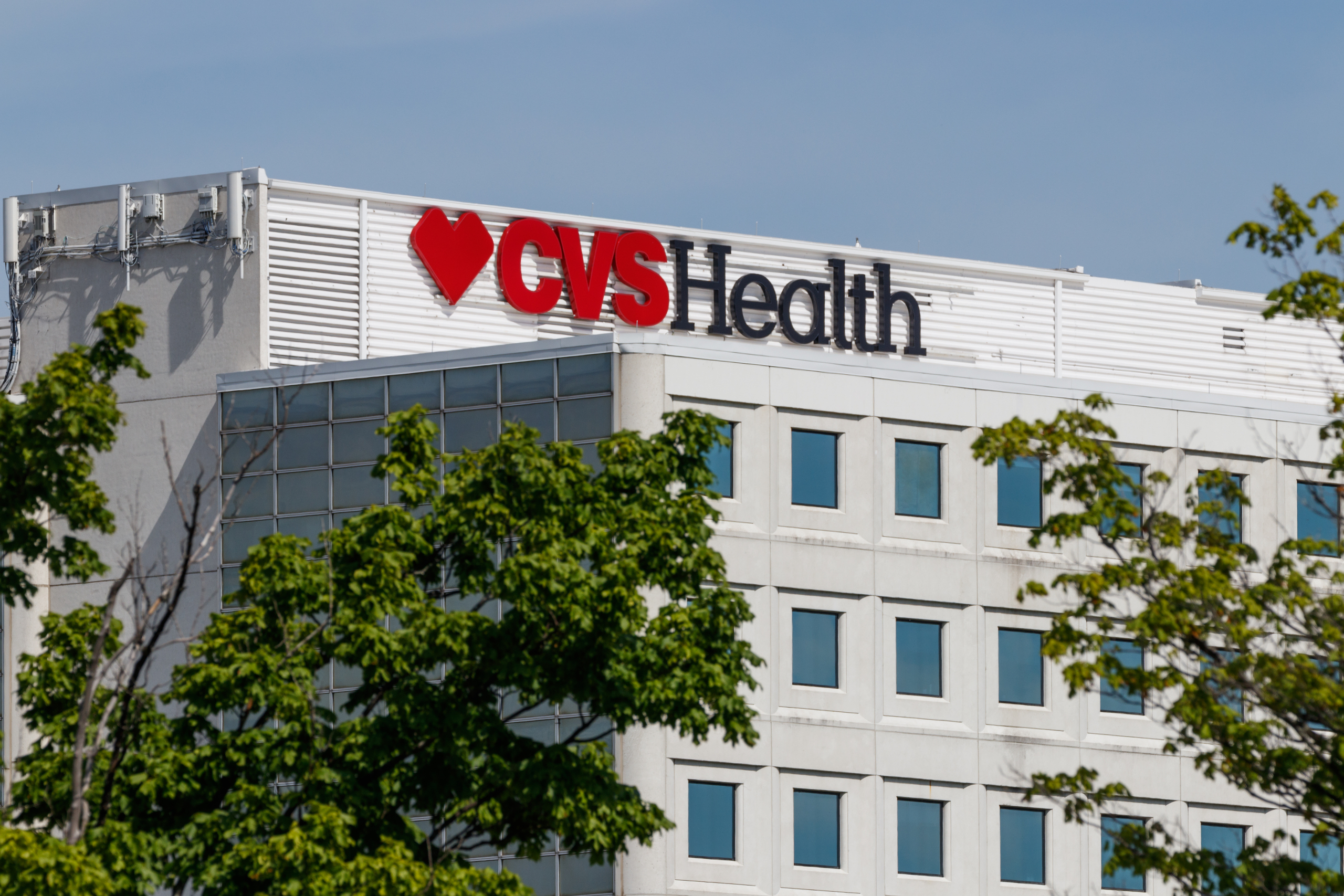
CVS Health Corp. is evaluating a corporate breakup that would separate its nationwide retail drugstore network from its managed care and pharmacy services divisions, according to reports by the Financial Times and The Wall Street Journal citing people familiar with the matter. The prospective restructuring, targeted for completion by 2028, would spin off the group’s roughly 9,000 retail pharmacies into an independent publicly traded vehicle while keeping health insurer Aetna and pharmacy benefit manager (PBM) CVS Caremark combined. The move represents a significant strategic pivot across the U.S. healthcare complex, highlighting growing corporate recognition that conglomerate discounts and intensified antitrust scrutiny are outweighing the theoretical cost synergies of full vertical integration.
Unwinding the Vertical Integration Experiment Amid Margin Strain
The restructuring framework led by Chief Executive David Joyner marks a formal retreat from the “all-in-one” healthcare delivery thesis that prompted CVS’s landmark $78 billion acquisition of Aetna in 2018. The retail drugstore division, which accounts for approximately one-third of the group’s projected $417 billion to $420 billion in annual revenue, has confronted persistent operational headwinds, including declining front-store foot traffic, compressed prescription dispensing reimbursements, and elevated store-level labor expenses. By contrast, the remaining entity would retain higher-margin healthcare services, combining Aetna’s medical insurance membership with CVS Caremark’s pharmacy benefit management, alongside acquired clinical care networks Signify Health and Oak Street Health.
Financial markets reacted with cautious optimism, lifting CVS shares roughly 2% in extended trade to a market capitalization near $117 billion. Despite recent operational recoveries in Aetna’s commercial and Medicare Advantage underwriting—where adjusted operating income improved following exits from unprofitable individual insurance exchanges—the combined entity’s equity multiple has lagged broader equity indexes. Institutional asset managers have increasingly urged corporate leadership to decouple capital-intensive retail leases from high-cash-flow managed care businesses to eliminate conglomerate valuation discounts and optimize separate capital structures.
Regulatory Pressures and Repercussions for Israeli Health-Tech Ecosystems
Beyond operational friction, mounting legislative scrutiny across Washington and state capitals has accelerated the impetus to break up vertically integrated healthcare giants. U.S. antitrust regulators and multiple state legislatures have advanced measures targeting conflicts of interest inherent in entities that simultaneously operate health insurance plans, determine prescription drug formularies via PBMs, and manage physical pharmacy counters. While retaining Aetna and Caremark under one roof keeps regulatory focus on PBM pricing practices, divesting physical retail assets reduces exposure to state-level pharmacy dispensing legislation.
For Israeli institutional allocators and the domestic digital health sector, CVS’s restructuring carries meaningful cross-asset implications. A significant cohort of Israeli health-tech and biomedical artificial intelligence startups listed on the Tel Aviv Stock Exchange (TASE) or backed by local venture capital maintain commercial distribution agreements or pilots with CVS Health, Aetna, and Oak Street Health. Corporate unbundling will force domestic enterprise healthcare vendors to renegotiate vendor contracts across two distinct legal entities, prioritizing pure-play enterprise software and clinical automation that deliver direct underwriting margin improvements rather than broad omnichannel retail initiatives. Furthermore, local institutional asset managers who allocate capital across U.S. healthcare equities are reweighting portfolios toward focused operators with clear return-on-invested-capital (ROIC) profiles rather than complex multi-sector conglomerates.
Outlook: Board Determinations, Debt Allocation, and PBM Scrutiny
Moving forward, market participants will monitor CVS Health’s upcoming quarterly investor disclosures for formal confirmation regarding the separation’s structural timeline, tax qualification status, and executive appointments. Critical execution metrics to watch include the allocation of CVS’s substantial long-term funded debt between the standalone retail entity and the managed care company, customer retention across Caremark’s employer accounts, and regulatory reviews from the Federal Trade Commission regarding the retained insurer-PBM integration. If successfully executed, the split could establish a corporate precedent for rival integrated healthcare giants, whereas complex capital separation hurdles or protracted regulatory probes could leave the restructuring process vulnerable to extended execution delays.
Comparison, examination, and analysis between investment houses
Leave your details, and an expert from our team will get back to you as soon as possible
* This article, in whole or in part, does not contain any promise of investment returns, nor does it constitute professional advice to make investments in any particular field.
To read more about the full disclaimer, click here
- sagi habasov
- •
- 7 Min Read
- •
- ago 3 hours
SKN | 3M Commits $7.35 Billion to Resolve ‘Forever Chemicals’ Injury Claims: Will Litigation Relief Unlock Value?
Industrial manufacturing giant 3M Co. announced a definitive agreement on Tuesday evening to commit up to $7.35 billion over a
- ago 3 hours
- •
- 7 Min Read
Industrial manufacturing giant 3M Co. announced a definitive agreement on Tuesday evening to commit up to $7.35 billion over a

- omer bar
- •
- 8 Min Read
- •
- ago 7 hours
SKN | Booking Holdings Reports Strong Q3 Earnings but Delivers a Cautious Outlook for the Holiday Quarter
Booking Holdings delivered solid third-quarter results, supported by higher travel bookings, increased room nights and continued growth across its
- ago 7 hours
- •
- 8 Min Read

Booking Holdings delivered solid third-quarter results, supported by higher travel bookings, increased room nights and continued growth across its
- sagi habasov
- •
- 7 Min Read
- •
- ago 2 days
SKN | Apple Stands Alone: Why the iPhone Giant Is the Only Magnificent Seven Stock Beating the S&P 500
Apple Inc. has decoupled from its megacap peers in 2026, establishing itself as the only member of Wall Street’s "Magnificent
- ago 2 days
- •
- 7 Min Read

Apple Inc. has decoupled from its megacap peers in 2026, establishing itself as the only member of Wall Street’s "Magnificent

- orshu
- •
- 7 Min Read
- •
- ago 3 days
SKN | S&P 500 Equal-Weight Index Outperforms Traditional Benchmark by Widest Margin Since 2009
The US equity market is showing a notable shift in performance, with the S&P 500 Equal-Weight Index substantially outperforming
- ago 3 days
- •
- 7 Min Read

The US equity market is showing a notable shift in performance, with the S&P 500 Equal-Weight Index substantially outperforming
