




- Lior mor
- •
- 7 Min Read
- •
- 3 hours ago


Key Points
- CVS Health is considering a potential breakup that could separate its retail pharmacy operations from its insurance business, according to the Financial Times.
- A separation would represent a major reversal of CVS's strategy of building an integrated healthcare business through acquisitions.
- The review could reshape the structure created by CVS's approximately $78 billion acquisition of Aetna in 2018.
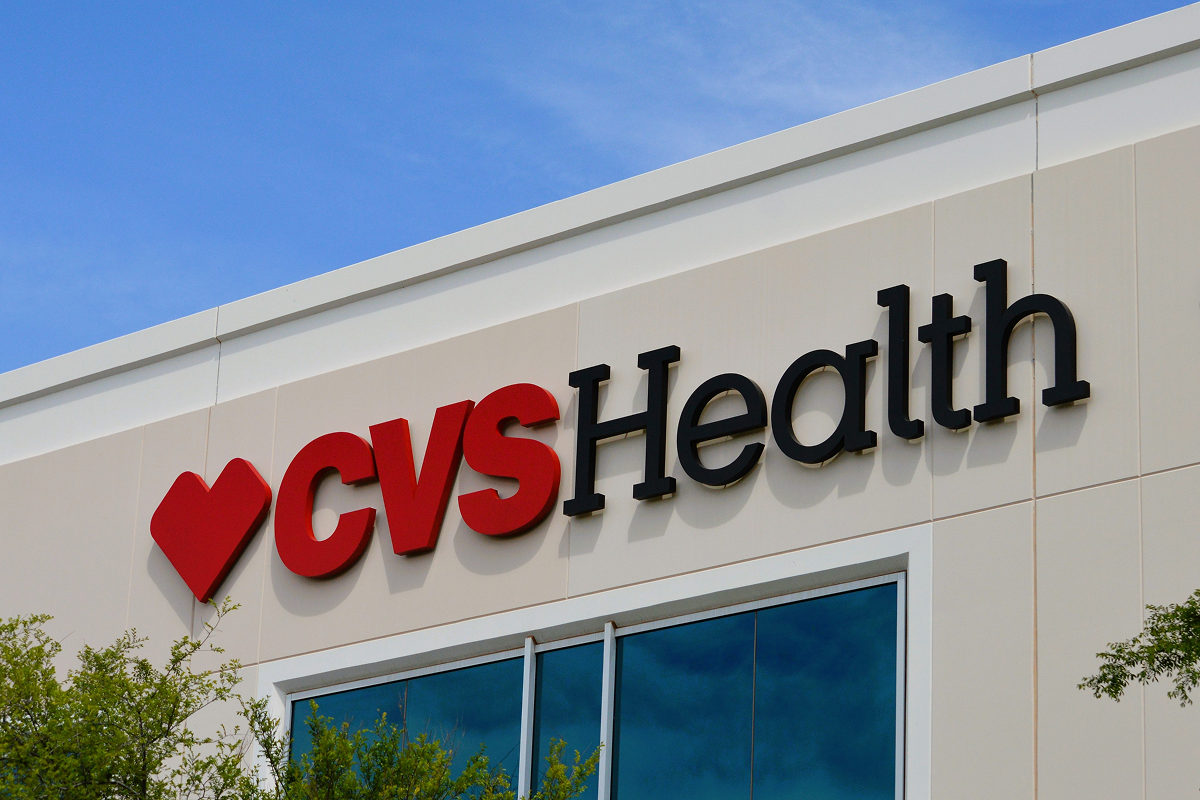
CVS Health is considering separating its retail pharmacy chain from its insurance operations, according to a Financial Times report cited by Reuters, potentially reversing a strategy that transformed the company into a vertically integrated healthcare business. The reported review comes as large healthcare companies continue to reassess how their different businesses can create value while managing operational complexity and changing industry conditions.
CVS Reconsiders Its Integrated Healthcare Model
According to the report, CVS Health is examining a potential breakup of its healthcare operations. The plan could separate its extensive retail pharmacy business from its insurance operations, creating distinct businesses with different strategic and financial priorities.
Such a move would represent a significant shift from CVS’s previous direction. The company spent years building an integrated healthcare platform intended to bring insurance, pharmacy and other healthcare services under one corporate structure. Separating major divisions would therefore mark a fundamental reassessment of that model.
The report, however, does not indicate that CVS has made a final decision. The potential separation remains under consideration, meaning the structure, timing and scope of any transaction remain uncertain.
Aetna Acquisition Defines the Strategic Reversal
The potential breakup is particularly significant because of CVS’s approximately $78 billion acquisition of Aetna in 2018. The transaction was central to the company’s strategy of combining health insurance with pharmacy and healthcare services through a single integrated platform.
The logic behind that strategy was based on creating greater connections between different parts of the healthcare system. An integrated structure could allow the company to coordinate services across insurance and pharmacy operations while building a broader healthcare ecosystem.
A decision to separate the businesses would suggest that CVS is now reassessing whether those advantages outweigh the complexity of operating such a large and diversified healthcare organization.
Potential Separation Could Reshape CVS
Separating the businesses could allow each operation to pursue a more focused strategy. The retail pharmacy business and insurance operations operate in different segments of the healthcare market and face distinct competitive, operational and financial considerations.
A separation could therefore give management greater flexibility to concentrate resources and strategic decisions on the specific requirements of each business. At the same time, dismantling an integrated structure could create challenges, particularly where the businesses currently share infrastructure, relationships or operational capabilities.
For investors, the central issue would be whether a separation could create greater clarity around the financial performance and strategic direction of each business. The potential benefits would need to be weighed against the costs and complexity associated with restructuring the company.
CVS Faces a Major Strategic Decision
The reported review places CVS at an important strategic crossroads. After years of expansion through acquisitions, the company is now considering whether a more focused corporate structure could better position its businesses for the next phase of healthcare competition.
Going forward, investors will be watching for any confirmation from CVS, details on the potential structure of a separation and indications of how management would address the businesses’ existing relationships. The outcome could have significant implications for the future of CVS and would provide a broader test of whether large integrated healthcare models continue to offer advantages over more specialized corporate structures.
Comparison, examination, and analysis between investment houses
Leave your details, and an expert from our team will get back to you as soon as possible
* This article, in whole or in part, does not contain any promise of investment returns, nor does it constitute professional advice to make investments in any particular field.
To read more about the full disclaimer, click here
- Lior mor
- •
- 7 Min Read
- •
- ago 1 day
SKN | Oracle Taps Investors for $20 Billion to Finance Its AI Expansion
Oracle is turning to investors for as much as $20 billion through bond and share sales as the software
- ago 1 day
- •
- 7 Min Read

Oracle is turning to investors for as much as $20 billion through bond and share sales as the software

- Arik Arkadi Sluzki
- •
- 6 Min Read
- •
- ago 1 day
SKN | Meta Eyes at Least $20 Billion in New Bond Financing for AI Expansion
Meta is considering raising at least $20 billion through a potential cross-border bond offering, according to a Bloomberg News
- ago 1 day
- •
- 6 Min Read
Meta is considering raising at least $20 billion through a potential cross-border bond offering, according to a Bloomberg News

- Ronny Mor
- •
- 7 Min Read
- •
- ago 1 day
SKN | Apollo Launches €10 Billion European Credit Platform as Private Financing Demand Grows
Global asset manager Apollo has launched a €10 billion European credit platform, positioning itself to capture rising demand for
- ago 1 day
- •
- 7 Min Read

Global asset manager Apollo has launched a €10 billion European credit platform, positioning itself to capture rising demand for

- sagi habasov
- •
- 7 Min Read
- •
- ago 1 day
SKN | Estée Lauder Beats First-Quarter Expectations and Raises Fiscal 2027 Outlook as Fragrance Drives Growth
Estée Lauder Companies delivered a stronger-than-expected first quarter of fiscal 2027, supported by revenue growth, improved operating margins, and
- ago 1 day
- •
- 7 Min Read

Estée Lauder Companies delivered a stronger-than-expected first quarter of fiscal 2027, supported by revenue growth, improved operating margins, and
