




- Lior mor
- •
- 7 Min Read
- •
- 1 hour ago


Key Points
- Oracle plans to raise $20 billion through bond and share sales to support its AI and cloud infrastructure expansion.
- The proceeds will also support capital spending, debt repayment, acquisitions, dividends and share buybacks.
- Oracle shares fell nearly 6%, extending a roughly 33% decline this year through Friday, highlighting investor concerns over the cost of its growth strategy.
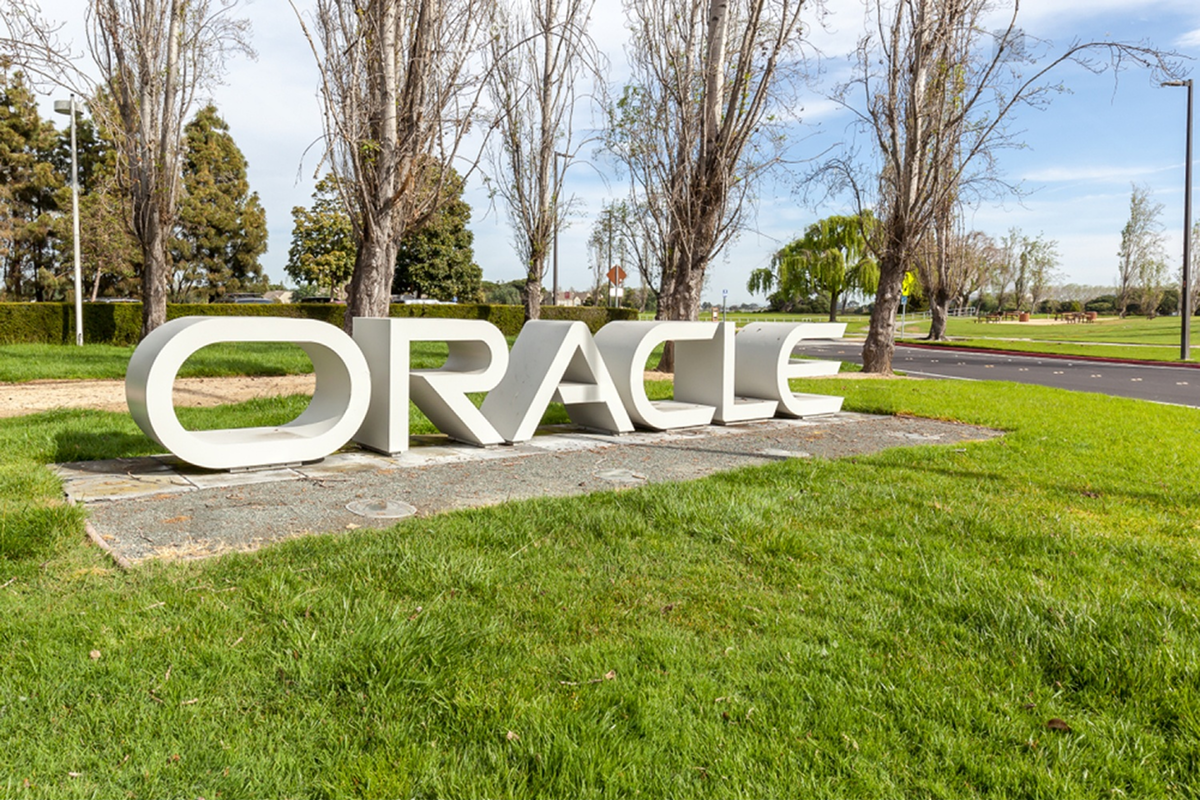
Oracle is turning to investors for as much as $20 billion through bond and share sales as the software company seeks additional funding for its rapidly expanding AI and cloud infrastructure operations. The financing comes as technology companies face growing scrutiny over the capital required to build AI capacity and whether future returns will justify increasingly large infrastructure commitments.
Oracle Turns to Capital Markets for AI Expansion
Regulatory filings showed that Oracle plans to raise the funds through a combination of bond and share sales. The move gives the company additional financial resources as it continues investing in infrastructure intended to support its cloud and artificial intelligence businesses.
Oracle said the proceeds would be used for general corporate purposes, including capital spending. The company also plans to allocate funds toward debt repayment, acquisitions, dividends and share buybacks, making the financing broader than a single-purpose AI investment program.
The scale of the planned fundraising nevertheless underscores the financial demands associated with Oracle’s expansion strategy. AI infrastructure requires substantial capital before the associated revenue and cash generation fully materialize, increasing the importance of funding flexibility for companies competing in the sector.
Share Decline Highlights Investor Concerns
Oracle’s financing announcement comes against a challenging backdrop for its shares. The stock fell nearly 6% on Monday, extending a roughly 33% decline for the year through Friday.
The market reaction reflects the tension surrounding Oracle’s expansion. While investment in AI and cloud infrastructure can strengthen the company’s competitive position, financing those investments through additional debt and equity can also increase pressure on shareholder returns and the company’s balance sheet.
For investors, the combination of significant capital requirements and a sharply weaker share price places greater focus on how effectively Oracle converts infrastructure spending into sustainable business growth. The company’s ability to demonstrate that its investments can generate sufficient future revenue and cash flow will remain central to the market’s assessment of the strategy.
Funding Flexibility Comes With Multiple Uses
Oracle’s decision to allocate the proceeds across several corporate priorities provides management with greater flexibility. Debt repayment could help manage financial obligations, while acquisitions could accelerate expansion in areas where Oracle sees strategic value. Dividends and share buybacks, meanwhile, allow the company to continue returning capital to shareholders even as it increases spending.
However, the broad use of the proceeds also means the financing is not exclusively tied to AI infrastructure. Investors will therefore need to assess how Oracle balances expansion, financial obligations and shareholder returns as capital requirements continue to evolve.
AI Spending Remains the Key Strategic Test
The financing plan places Oracle within a broader technology-sector debate over the economics of the AI investment cycle. Companies are committing substantial resources to computing capacity and cloud infrastructure, but the timing and scale of the resulting financial returns remain important questions for markets.
Looking ahead, attention will focus on the final structure and terms of Oracle’s bond and share offerings, as well as how the company deploys the capital. Investors will also be watching whether continued AI and cloud spending translates into stronger revenue and cash generation, while Oracle’s declining share price adds pressure to demonstrate that its expansion strategy can produce durable financial returns.
Comparison, examination, and analysis between investment houses
Leave your details, and an expert from our team will get back to you as soon as possible
* This article, in whole or in part, does not contain any promise of investment returns, nor does it constitute professional advice to make investments in any particular field.
To read more about the full disclaimer, click here
- Arik Arkadi Sluzki
- •
- 6 Min Read
- •
- ago 1 hour
SKN | Meta Eyes at Least $20 Billion in New Bond Financing for AI Expansion
Meta is considering raising at least $20 billion through a potential cross-border bond offering, according to a Bloomberg News
- ago 1 hour
- •
- 6 Min Read
Meta is considering raising at least $20 billion through a potential cross-border bond offering, according to a Bloomberg News

- orshu
- •
- 7 Min Read
- •
- ago 1 hour
SKN | Alphabet Tests Tech Debt Demand With €6 Billion Euro Bond Sale
Alphabet, the parent company of Google, returned to Europe's debt markets on Monday with a €6 billion bond offering,
- ago 1 hour
- •
- 7 Min Read

Alphabet, the parent company of Google, returned to Europe's debt markets on Monday with a €6 billion bond offering,

- Ronny Mor
- •
- 7 Min Read
- •
- ago 1 hour
SKN | Apollo Launches €10 Billion European Credit Platform as Private Financing Demand Grows
Global asset manager Apollo has launched a €10 billion European credit platform, positioning itself to capture rising demand for
- ago 1 hour
- •
- 7 Min Read

Global asset manager Apollo has launched a €10 billion European credit platform, positioning itself to capture rising demand for
- Ronny Mor
- •
- 7 Min Read
- •
- ago 3 hours
SKN | Cipher Digital Reports 63% Revenue Decline as HPC Leasing Emerges as a Long-Term Growth Strategy
Cipher Digital's third-quarter 2026 results highlight a transition in its business strategy, as the company develops high-performance computing infrastructure
- ago 3 hours
- •
- 7 Min Read

Cipher Digital's third-quarter 2026 results highlight a transition in its business strategy, as the company develops high-performance computing infrastructure
