





- omer bar
- •
- 8 Min Read
- •
- 2 minutes ago


Key Points
- Meta’s five-year credit default swap (CDS) spread reached 127.9 basis points, compared with 49.9 basis points a year earlier, approaching its October 23 high of 130.5 basis points.
- S&P Global Ratings lowered its outlook on Meta from stable to negative while affirming its AA- credit rating, citing rising leverage and mounting AI-related investment requirements.
- Meta’s capital expenditure is projected by S&P to reach $140 billion in 2026 and exceed $225 billion in 2027, while disclosed future spending commitments exceed $800 billion.
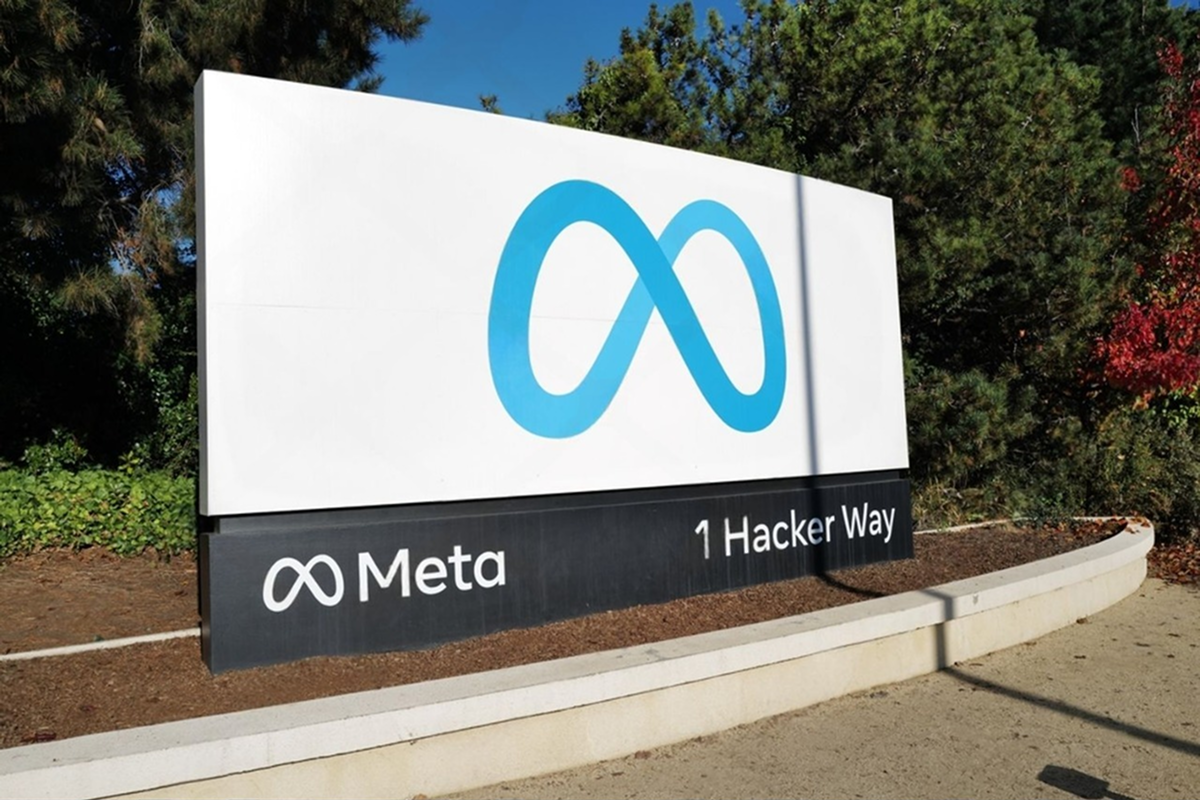
The rapid expansion of artificial intelligence infrastructure is creating a new financial challenge for major technology companies: how to sustain unprecedented investment without weakening their credit profiles. Meta is increasingly facing scrutiny from credit markets, with its five-year credit default swap spread rising sharply as investors assess the potential consequences of higher capital expenditure, future financial commitments, and uncertainty surrounding the returns from AI spending.
Meta’s Credit Protection Costs Rise Sharply
Meta’s five-year credit default swap (CDS) spread climbed to 127.9 basis points, compared with 49.9 basis points approximately one year earlier, according to the figures shared by Global Markets Investor. The spread was approaching its October 23 peak of 130.5 basis points, reflecting a substantial increase in the market cost of protecting against the company’s potential credit deterioration.
A CDS is a financial contract that provides protection against specified credit events, including default. Its spread represents the annual cost of that protection, expressed in basis points. A rising spread generally indicates that investors are demanding greater compensation to assume credit exposure, although it does not establish that a default is imminent or provide a direct measure of the probability of default.
The broader chart also shows rising CDS spreads across several major technology and AI-related companies, including Amazon, Microsoft, Alphabet, Broadcom, Nvidia, Oracle, AMD, and SpaceX. Meta’s increase is particularly notable because it comes alongside growing questions about whether the financial returns from AI infrastructure will justify the scale of investment.
S&P Warns of Higher Leverage and Growing AI Commitments
S&P Global Ratings lowered its outlook on Meta from stable to negative, while affirming the company’s AA- credit rating. The agency cited rising leverage and increasing pressure from AI-related spending, highlighting the potential effect of the investment cycle on Meta’s financial profile.
According to the figures in the supplied report, S&P expects Meta’s capital expenditure to reach approximately $140 billion in 2026, before accelerating to more than $225 billion in 2027. The company’s leverage could exceed 1.0 times next year, compared with approximately 0.1 times in 2025.
The report also identifies more than $800 billion in future spending commitments, with nearly half linked to leases that have not yet commenced. These commitments are largely associated with data centers and energy infrastructure, illustrating that the financial obligations connected to AI expansion extend beyond immediate equipment purchases and construction expenditure.
The distinction between current capital expenditure and future contractual commitments is important. While not all disclosed commitments represent immediate cash payments or conventional debt, they can create substantial long-term obligations. As these projects become operational, Meta may face additional expenses related to infrastructure, energy consumption, maintenance, and financing.
AI Monetization Becomes Central to Credit Quality
A key concern identified by S&P is the uncertainty surrounding Meta’s ability to monetize its AI investments. The company is committing substantial resources to computing capacity and energy infrastructure, but the timing and scale of the resulting revenue remain difficult to establish.
This creates a financial imbalance that credit investors are increasingly monitoring: investment requirements are rising rapidly, while the commercial returns must develop sufficiently to support the additional costs. If AI-related services, advertising improvements, and other applications generate stronger revenue and productivity gains, the spending could eventually strengthen Meta’s competitive position and cash-generating capacity.
However, if monetization develops more slowly than anticipated, higher depreciation, operating expenses, lease obligations, and financing requirements could place sustained pressure on free cash flow and leverage. The negative rating outlook therefore signals increased sensitivity to the execution of Meta’s investment strategy, rather than an immediate change in its underlying credit rating.
The implications extend beyond Meta. The rising CDS spreads shown for other major technology companies suggest that credit markets are increasingly evaluating the financial consequences of the broader AI infrastructure race. For investors, the next important indicators will include Meta’s capital expenditure guidance, debt levels, free cash flow, AI-related revenue growth, and any further changes in S&P’s credit assessment. The central test will be whether the company can convert its expanding infrastructure commitments into sustainable earnings and cash flow before financing costs and leverage become more significant constraints.
Comparison, examination, and analysis between investment houses
Leave your details, and an expert from our team will get back to you as soon as possible
* This article, in whole or in part, does not contain any promise of investment returns, nor does it constitute professional advice to make investments in any particular field.
To read more about the full disclaimer, click here
- Ronny Mor
- •
- 8 Min Read
- •
- ago 2 minutes
SKN | Big Tech’s AI Infrastructure Spending Reaches $201.9 Billion as Free Cash Flow Turns Negative
The largest US technology companies are committing unprecedented amounts of capital to artificial intelligence infrastructure, but the expansion is
- ago 2 minutes
- •
- 8 Min Read
The largest US technology companies are committing unprecedented amounts of capital to artificial intelligence infrastructure, but the expansion is
- Ronny Mor
- •
- 8 Min Read
- •
- ago 18 hours
SKN | The US Corporate Debt Maturity Wall: $1.9 Trillion in Speculative-Grade Debt Faces Refinancing Pressure
US companies are approaching a substantial corporate debt refinancing period, with approximately $1.9 trillion in speculative-grade bonds and loans
- ago 18 hours
- •
- 8 Min Read

US companies are approaching a substantial corporate debt refinancing period, with approximately $1.9 trillion in speculative-grade bonds and loans

- sagi habasov
- •
- 8 Min Read
- •
- ago 19 hours
SKN | Elon Musk’s Colossus 2 Expansion Targets 1.2 Million Nvidia Blackwell GPUs for AI Infrastructure
Elon Musk has outlined a significant expansion of xAI’s Colossus 2 supercomputer infrastructure in Memphis, Tennessee, with a target
- ago 19 hours
- •
- 8 Min Read
Elon Musk has outlined a significant expansion of xAI’s Colossus 2 supercomputer infrastructure in Memphis, Tennessee, with a target

- article@skn.co.il
- •
- 8 Min Read
- •
- ago 21 hours
SKN | Apple Reclaims Title of World’s Most Valuable Company as AI Spending Concerns Pressure Nvidia
Apple has reclaimed its position as the world's most valuable publicly traded company, overtaking Nvidia following a difficult week
- ago 21 hours
- •
- 8 Min Read
Apple has reclaimed its position as the world's most valuable publicly traded company, overtaking Nvidia following a difficult week

