





- Ronny Mor
- •
- 8 Min Read
- •
- 1 minute ago


Key Points
- Combined capital expenditure by Amazon, Alphabet, Meta, and Microsoft reached a record $201.9 billion in Q3 2026, increasing by $36.9 billion from the previous quarter.
- The four companies’ combined free cash flow fell to negative $26.4 billion, its lowest level in the period shown, declining by $33.1 billion quarter over quarter.
- The companies have indicated plans for another $232 billion in capital expenditure during Q4, potentially bringing their combined 2026 spending to approximately $740 billion.
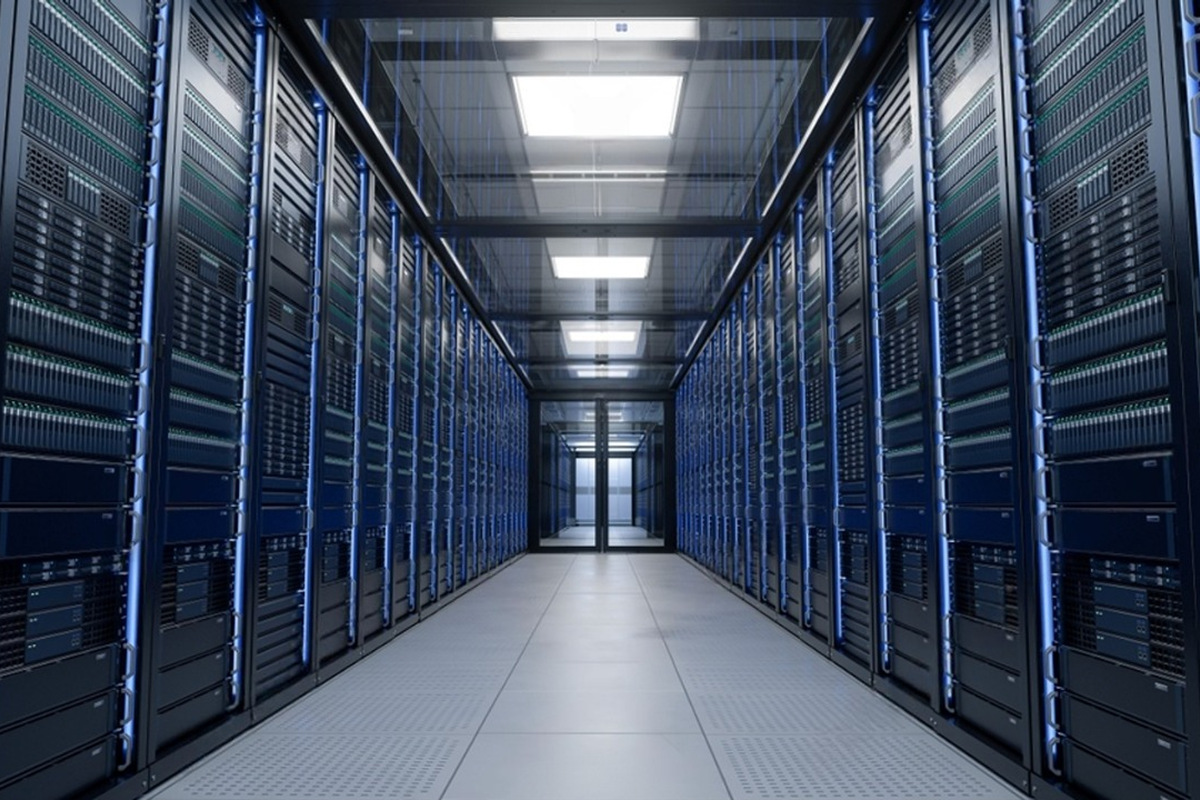
The largest US technology companies are committing unprecedented amounts of capital to artificial intelligence infrastructure, but the expansion is increasingly weighing on their ability to generate free cash flow. Combined capital expenditure by Amazon, Alphabet, Meta, and Microsoft reached $201.9 billion in the third quarter of 2026, while their aggregate free cash flow turned negative, highlighting the growing financial demands of the global AI race.
AI Infrastructure Investment Pushes Capital Expenditure to a Record
According to figures published by The Kobeissi Letter and attributed to Koyfin, the four companies recorded combined capital expenditure of $201.9 billion in Q3 2026, an increase of $36.9 billion from the previous quarter. The amount has more than doubled over the preceding 12 months and increased approximately 356% since the first quarter of 2024.
Over the past three years, the companies have collectively spent approximately $1.6 trillion on capital expenditure. These investments reflect the scale of infrastructure required to support expanding AI workloads, including data centers, computing hardware, networking equipment, and related facilities.
The spending trajectory illustrates how the competitive landscape in technology is changing. Companies are no longer competing exclusively through software development and digital services; they are also committing substantial financial resources to the physical infrastructure required to train and operate increasingly advanced AI systems.
Free Cash Flow Turns Negative as Spending Accelerates
The more significant financial development is the deterioration in aggregate free cash flow. The four companies reported combined free cash flow of negative $26.4 billion in Q3, representing a $33.1 billion decline from the previous quarter. According to the supplied figures, their combined free cash flow has fallen by $88.2 billion over the past year.
Only Microsoft reported positive free cash flow among the four companies during the quarter, according to the source. The aggregate result indicates that capital expenditure is currently exceeding the cash generated after operating requirements across the group.
Free cash flow is an important measure of financial flexibility because it represents the cash remaining after a company funds its operating activities and capital investments. A negative figure does not necessarily indicate financial distress, particularly for companies with substantial cash reserves and access to financing. However, sustained negative free cash flow can reduce the resources available for dividends, share repurchases, acquisitions, and debt reduction.
For investors, the central issue is whether the current investment cycle will generate sufficient future revenue and operating cash flow to justify its scale. The infrastructure expenditure is being undertaken in anticipation of continued AI adoption, but the timing and financial returns remain uncertain.
Another $232 Billion in Planned Spending Raises the Stakes
The capital requirements are expected to remain elevated. The supplied report indicates that the four companies plan to spend another $232 billion in capital expenditure during Q4 2026. If those plans are realized, their combined full-year capital expenditure could reach approximately $740 billion.
Such a commitment would represent one of the largest infrastructure investment cycles undertaken by a group of private-sector technology companies. It also increases the importance of monitoring the relationship between spending, AI-related revenue growth, and cash generation.
The financial implications will differ across the companies. Amazon, Alphabet, Meta, and Microsoft operate distinct business models and have different sources of revenue, liquidity positions, and investment priorities. Their combined figures therefore provide an indication of the sector-wide scale of spending, but they should not be interpreted as evidence that each company faces the same level of financial pressure.
The next reporting periods will be critical in assessing whether AI-related demand is translating into measurable financial returns. Investors will be watching data-center utilization, cloud revenue growth, operating margins, capital expenditure guidance, and the recovery of free cash flow. If investment continues to accelerate faster than cash generation, scrutiny of capital discipline is likely to intensify. If AI services generate sufficient recurring revenue and productivity gains, the current spending cycle could ultimately strengthen the companies’ long-term earnings capacity.
Comparison, examination, and analysis between investment houses
Leave your details, and an expert from our team will get back to you as soon as possible
* This article, in whole or in part, does not contain any promise of investment returns, nor does it constitute professional advice to make investments in any particular field.
To read more about the full disclaimer, click here
- omer bar
- •
- 8 Min Read
- •
- ago 1 minute
SKN | Meta’s AI Spending Raises Credit Risk as Five-Year CDS Spreads Surge
The rapid expansion of artificial intelligence infrastructure is creating a new financial challenge for major technology companies: how to
- ago 1 minute
- •
- 8 Min Read
The rapid expansion of artificial intelligence infrastructure is creating a new financial challenge for major technology companies: how to

- sagi habasov
- •
- 8 Min Read
- •
- ago 19 hours
SKN | Elon Musk’s Colossus 2 Expansion Targets 1.2 Million Nvidia Blackwell GPUs for AI Infrastructure
Elon Musk has outlined a significant expansion of xAI’s Colossus 2 supercomputer infrastructure in Memphis, Tennessee, with a target
- ago 19 hours
- •
- 8 Min Read
Elon Musk has outlined a significant expansion of xAI’s Colossus 2 supercomputer infrastructure in Memphis, Tennessee, with a target

- article@skn.co.il
- •
- 8 Min Read
- •
- ago 21 hours
SKN | Apple Reclaims Title of World’s Most Valuable Company as AI Spending Concerns Pressure Nvidia
Apple has reclaimed its position as the world's most valuable publicly traded company, overtaking Nvidia following a difficult week
- ago 21 hours
- •
- 8 Min Read
Apple has reclaimed its position as the world's most valuable publicly traded company, overtaking Nvidia following a difficult week
- omer bar
- •
- 7 Min Read
- •
- ago 21 hours
SKN | SpaceX President Gwynne Shotwell Pledges 2 Million Shares to Fund Children’s Trump Accounts
SpaceX President and Chief Operating Officer Gwynne Shotwell has announced a donation of more than 2 million shares of
- ago 21 hours
- •
- 7 Min Read

SpaceX President and Chief Operating Officer Gwynne Shotwell has announced a donation of more than 2 million shares of

