




- omer bar
- •
- 7 Min Read
- •
- 10 hours ago


Key Points
- The Japanese yen held stable near the 157.00 mark against the U.S. dollar on Friday as currency desks braced for the Bank of Japan's rate decision and inflation outlook.
- The U.S. Dollar Index softened to 101.77 as tumbling benchmark 10-year Treasury yields—falling below 4.90% to one-month lows—drained yield-advantage support following an Alphabet-induced tech selloff.
- For international allocators and Israeli tech-heavy portfolios, the shift toward safe-haven sovereign debt highlights growing institutional sensitivity to AI capital expenditure and foreign-exchange carry volatility.
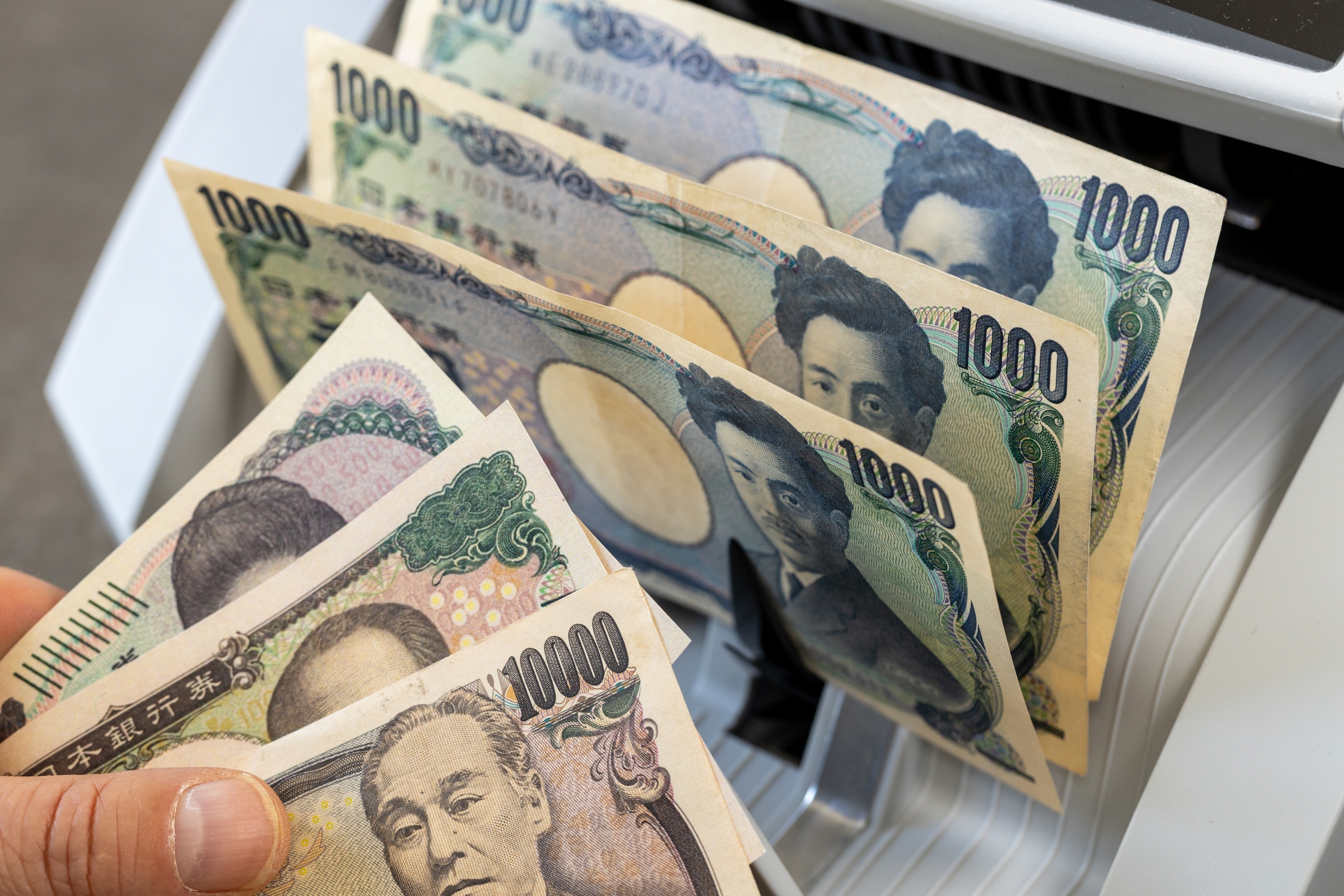
The Japanese yen traded firmly on Friday, October 30, 2026, as global foreign-exchange markets positioned for the conclusion of the Bank of Japan’s monetary policy review. Simultaneously, the U.S. dollar retreated against primary G10 peers, weighed down by a sharp bond rally that pulled benchmark 10-year Treasury yields down to 4.8958% and 30-year yields to 5.2623%—their lowest levels in more than a month. Unfolding alongside an equity retreat sparked by Alphabet’s post-earnings slide, the decline across sovereign yields highlights how hyperscaler capital spending concerns are spilling over into currency valuations and fixed-income demand.
BOJ Policy Crossroads and Carry Trade Repositioning
The yen’s stability around the 157.00 threshold reflects institutional caution ahead of Bank of Japan Governor Kazuo Ueda’s rate announcement and updated quarterly economic projections. While broad market consensus expects the central bank to hold short-term benchmark rates steady, persistent domestic inflation prints above the 2% target have fueled expectations of an impending policy normalization step. Traders have consequently refrained from initiating aggressive short-yen carry trades, especially as narrowing yield differentials with the United States diminish the risk-adjusted returns of leveraged cross-currency positions.
The foreign-exchange complex displayed an atypical risk-off reaction to the tech-led market pullback. Rather than triggering conventional flight-to-dollar safe-haven flows, the market retreat—spurred by corporate earnings concerns in artificial intelligence infrastructure—drove institutional liquidity directly into U.S. government debt. The resulting compression in U.S. bond yields stripped the greenback of its sovereign rate premium, pulling the U.S. Dollar Index down to 101.77, even as it remained on track for a modest 0.3% gain over October.
Cross-Asset Transmission and Repercussions for Israeli Allocators
The decoupling of traditional risk-off flows presents a critical dynamic for international asset managers and Israeli institutional portfolios. On the Tel Aviv Stock Exchange (TASE), where domestic technology equities correlate closely with the Nasdaq 100, the contraction in global growth multiples exerts valuation pressure on local enterprise software and artificial intelligence ventures. However, softer U.S. Treasury yields provide marginal relief to domestic credit spreads, helping ease duration risk for institutional pension managers heavily weighted toward sovereign and corporate fixed income.
Foreign-exchange dynamics between the dollar and the New Israeli Shekel (NIS) also remain sensitive to these shifting yield curves. While softening U.S. interest rate benchmarks tend to temper dollar strength and curb imported price pressures within Israel, elevated crude oil benchmarks—with Brent crude advancing 11.5% over the month—continue to pose headline inflation risks. For Israeli corporate treasuries and family offices, managing currency exposure requires balancing the yield benefits of dollar holdings against the risk of rapid carry unwinds if Asian central banks accelerate monetary tightening.
Outlook: Ueda’s Forward Guidance, Labor Prints, and Capex Scrutiny
Moving into upcoming trading sessions, market participants will focus on whether the Bank of Japan’s press briefing signals an interest-rate increase before year-end, which could trigger a broader repatriation of Japanese overseas capital. Concurrently, trading desks will evaluate the sustainability of the Treasury rally against forthcoming U.S. nonfarm payroll data and corporate earnings commentary from remaining megacap hyperscalers. Investors should track whether the benchmark 10-year Treasury yield defends the 4.85% support level and whether ongoing tech capital expenditure scrutiny translates into persistent dollar consolidation through the final stretch of the year.
Comparison, examination, and analysis between investment houses
Leave your details, and an expert from our team will get back to you as soon as possible
* This article, in whole or in part, does not contain any promise of investment returns, nor does it constitute professional advice to make investments in any particular field.
To read more about the full disclaimer, click here
- Lior mor
- •
- 6 Min Read
- •
- ago 12 hours
SKN | Could UBS Relocation Protect Capital? Swiss Assessment Highlights the Costs of Moving Abroad
The Swiss government is examining the potential consequences if UBS were to relocate its headquarters abroad, highlighting the seriousness
- ago 12 hours
- •
- 6 Min Read
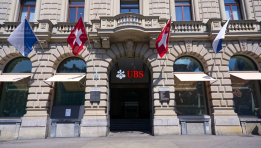
The Swiss government is examining the potential consequences if UBS were to relocate its headquarters abroad, highlighting the seriousness

- omer bar
- •
- 6 Min Read
- •
- ago 12 hours
SKN | Fed Signals Economic Strength as Treasury Investors Face a More Uncertain Rate Outlook
The Federal Reserve's decision to keep interest rates unchanged has left Treasury investors facing greater uncertainty over the path
- ago 12 hours
- •
- 6 Min Read
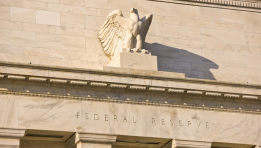
The Federal Reserve's decision to keep interest rates unchanged has left Treasury investors facing greater uncertainty over the path

- Ronny Mor
- •
- 6 Min Read
- •
- ago 12 hours
SKN | Central Banks Pause Rate Hikes as Inflation and Energy Risks Keep Further Tightening in View
Major central banks have paused their interest-rate increases this week, but the break does not necessarily mark the end
- ago 12 hours
- •
- 6 Min Read

Major central banks have paused their interest-rate increases this week, but the break does not necessarily mark the end
- omer bar
- •
- 7 Min Read
- •
- ago 15 hours
SKN | Microsoft Plans $25 Billion Bond Sale as Big Tech Turns to Debt to Fund AI Expansion
Microsoft is preparing to return to the U.S. investment-grade bond market with a potential $25 billion offering, according to
- ago 15 hours
- •
- 7 Min Read

Microsoft is preparing to return to the U.S. investment-grade bond market with a potential $25 billion offering, according to
