




- Lior mor
- •
- 6 Min Read
- •
- 12 hours ago


Key Points
- Swiss officials have assessed potential UBS relocation scenarios in the United States and United Kingdom as debate over stricter capital requirements intensifies.
- The assessment found that relocation costs in the U.S. or U.K. could potentially match the capital impact of proposed Swiss rules.
- U.S. and U.K. regulatory structures present different challenges, including double-leverage risks and additional capital requirements for UBS's Swiss operations.
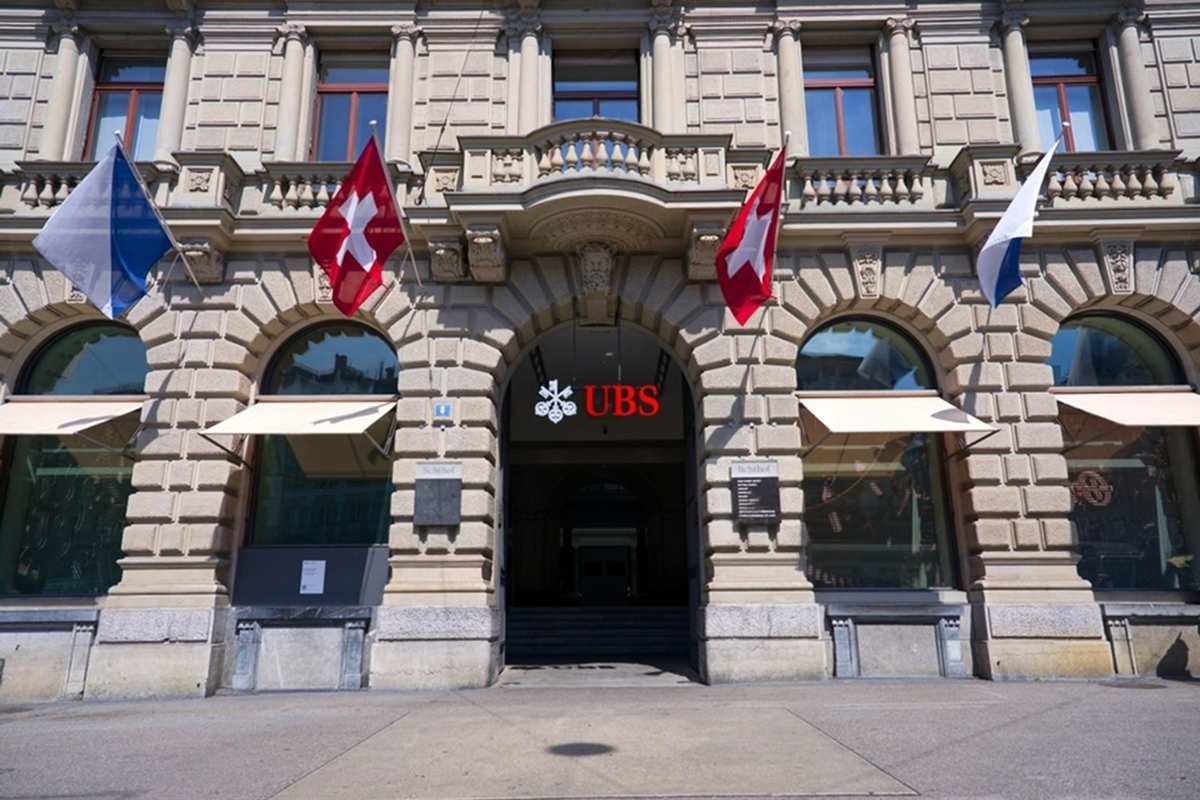
The Swiss government is examining the potential consequences if UBS were to relocate its headquarters abroad, highlighting the seriousness of the debate over tougher capital requirements for the country’s largest bank. An internal assessment reviewed by Reuters compares the legal frameworks in the United States and United Kingdom and suggests that moving UBS abroad could carry substantial financial and regulatory costs of its own.
Swiss Officials Examine the Economics of a UBS Move
The assessment reflects growing attention in Switzerland to the possibility that UBS could respond to stricter capital requirements by shifting its headquarters outside the country. Rather than assuming relocation would eliminate the financial burden associated with higher capital requirements, Swiss officials examined how alternative regulatory systems could affect the bank.
The analysis found that potential costs associated with relocating to either the United States or United Kingdom could be comparable to the capital impact of the Swiss proposals. This suggests that the decision would involve more than simply comparing domestic and foreign capital requirements.
U.S. Structure Could Limit the Benefits
The assessment identified specific complications under a U.S. structure. A flat holding-company structure could potentially reduce the advantages of relocation because of double-leverage considerations and restrictions surrounding clean-holding structures.
These requirements could affect how capital is distributed within the UBS group and potentially create additional balance-sheet constraints. As a result, moving the headquarters to the United States would not necessarily provide a straightforward solution to the capital pressure associated with the Swiss regulatory framework.
U.K. Rules Could Require Additional Capital
The British framework presents a different challenge. According to the Swiss finance ministry’s assessment, a relocation to the United Kingdom would require UBS to hold additional capital for its Swiss unit.
The requirement illustrates the complexity of managing a globally systemically important banking group across different regulatory jurisdictions. Even if the parent company were headquartered abroad, UBS would continue to operate significant Swiss activities that could remain subject to local regulatory requirements.
Relocation Debate Has Broader Implications
The assessment is significant because UBS is Switzerland’s largest bank and a central institution within the country’s financial system. Any potential relocation would therefore have implications extending beyond the bank itself, including for Switzerland’s position as a global financial center and the relationship between financial stability and the competitiveness of its banking sector.
At the same time, the analysis suggests that regulatory arbitrage may be more difficult than it appears. Moving headquarters could change the applicable legal framework, but it would not necessarily eliminate capital requirements or other constraints affecting UBS’s Swiss operations.
Going forward, attention will remain focused on the final design of Switzerland’s capital rules and UBS’s response to them. The Swiss assessment indicates that policymakers are evaluating relocation not only as a potential risk to the domestic financial sector but also as a complex strategic decision for UBS. The balance between capital strength, regulatory efficiency and Switzerland’s financial competitiveness will remain central to the debate as the proposed rules advance.
Comparison, examination, and analysis between investment houses
Leave your details, and an expert from our team will get back to you as soon as possible
* This article, in whole or in part, does not contain any promise of investment returns, nor does it constitute professional advice to make investments in any particular field.
To read more about the full disclaimer, click here
- omer bar
- •
- 7 Min Read
- •
- ago 10 hours
SKN | Yen Holds Steady Ahead of BOJ as AI Jitters Fuel Treasury Rally and Weigh on the Dollar
The Japanese yen traded firmly on Friday, October 30, 2026, as global foreign-exchange markets positioned for the conclusion of the
- ago 10 hours
- •
- 7 Min Read

The Japanese yen traded firmly on Friday, October 30, 2026, as global foreign-exchange markets positioned for the conclusion of the

- sagi habasov
- •
- 6 Min Read
- •
- ago 12 hours
SKN | Volkswagen Posts Deepest Quarterly Loss in More Than a Decade as Porsche and China Weigh on Results
Volkswagen has reported its deepest quarterly loss in more than a decade, highlighting the growing financial pressure facing the
- ago 12 hours
- •
- 6 Min Read

Volkswagen has reported its deepest quarterly loss in more than a decade, highlighting the growing financial pressure facing the
- omer bar
- •
- 6 Min Read
- •
- ago 12 hours
SKN | Fed Signals Economic Strength as Treasury Investors Face a More Uncertain Rate Outlook
The Federal Reserve's decision to keep interest rates unchanged has left Treasury investors facing greater uncertainty over the path
- ago 12 hours
- •
- 6 Min Read
The Federal Reserve's decision to keep interest rates unchanged has left Treasury investors facing greater uncertainty over the path

- Ronny Mor
- •
- 6 Min Read
- •
- ago 12 hours
SKN | Central Banks Pause Rate Hikes as Inflation and Energy Risks Keep Further Tightening in View
Major central banks have paused their interest-rate increases this week, but the break does not necessarily mark the end
- ago 12 hours
- •
- 6 Min Read

Major central banks have paused their interest-rate increases this week, but the break does not necessarily mark the end
