





- Lior mor
- •
- 8 Min Read
- •
- 35 seconds ago


Key Points
- Investors sharply increased bets on an October rate hike after stronger-than-expected inflation data, but those expectations quickly retreated as Federal Reserve officials continued signaling caution
- Fed Chair Kevin Warsh has advocated reducing reliance on forward guidance in favor of assessing economic trends, yet traders continue to look to policymakers' public statements for clues about upcoming decisions.
- Interest-rate swap markets put the probability of an October hike below 15% after recent declines in technology stocks and growing concerns about US economic growth, despite inflation data that some economists consider consistent with another increase.

Investors entered October expecting the Federal Reserve to hold interest rates steady, following a series of public comments from policymakers that tempered expectations for further tightening. That outlook was challenged on October 14, when inflation data showed the fastest price growth in five months.
Before the release, TD Securities’ Gennadiy Goldberg had recommended betting against an October rate hike, anticipating that inflation would be sufficiently moderate to support a pause. Following the data, traders briefly raised the probability of an increase to approximately 50%, compared with around 20% beforehand.
However, much of that shift reversed before the trading day ended. Market participants continued to weigh the inflation figures against the recent statements of Fed officials, leaving expectations sensitive to both economic releases and central bank communication.
The episode illustrates the difficulty of interpreting monetary policy when incoming data and policymakers’ signals appear to point in different directions.
Fed Officials Temper Expectations for Further Tightening
A series of speeches helped reduce expectations for an immediate rate increase. On September 29, New York Fed President John Williams said another hike late in the year could be appropriate. Markets subsequently reduced their October hike expectations from around 70% to approximately 50%.
Vice Chair Philip Jefferson’s October 1 comments, which emphasized taking more time to assess whether additional increases were necessary, pushed expectations lower. Governor Christopher Waller reinforced the cautious outlook on October 8, saying policymakers did not need to raise rates at consecutive meetings.
Economists cited in the report said the statements appeared intended to temper market pricing that had become more aggressive than policymakers’ expected path.
Nevertheless, some analysts believe the inflation data supports another increase. Kathy Bostjancic of Nationwide argued that the probability of a hike should be closer to 50%, while Columbia Threadneedle portfolio manager Ed Al-Hussainy said the data was consistent with tighter policy and that Fed communication was the main factor standing between a hike and a hold.
Warsh Seeks Less Reliance on Forward Guidance
Fed Chair Kevin Warsh has emphasized that he does not want to pre-commit to decisions at upcoming meetings. Speaking in Bangkok on October 16 during the International Monetary Fund’s annual meetings, he said the central bank was entering a new chapter and would not announce in advance what it might do at future meetings.
The approach is intended to reduce reliance on forward guidance, under which central bankers influence market expectations through statements about the likely direction of policy. Supporters of reform argue that explicit guidance can constrain policymakers when economic conditions change.
However, the recent episode exposed a tension in the approach. Even as Warsh emphasized data trends rather than advance commitments, investors continued to interpret other officials’ comments as meaningful signals about the next decision.
Deutsche Bank’s Matthew Luzzetti argued that such communication could still fit within a framework based on broader economic trends rather than individual data points. He expects further rate increases in the months ahead.
Economic Uncertainty Complicates the Outlook
Recent weakness in technology stocks and concerns about the sustainability of AI investment have added another dimension to the policy debate. Investors are increasingly weighing the possibility that a slowdown in the technology sector could weaken US growth, making further tightening less likely.
Interest-rate swaps put the probability of an October hike below 15%, while expectations for additional increases later in the year have also weakened.
At the same time, inflation expectations remain anchored, according to the report, suggesting that households and businesses continue to expect the Fed to bring inflation under control. The balance between persistent inflation and the risk of weaker growth remains central to the policy outlook.
What Investors Should Watch Next
The Federal Reserve’s upcoming meeting will test how markets interpret the relationship between economic data and official guidance. Investors will be watching for changes in inflation, signs of weakening economic activity and any clarification of how policymakers intend to communicate future decisions.
The immediate question is whether the Fed holds rates steady despite inflation pressures or signals that further tightening remains possible. More broadly, the episode highlights how inconsistent interpretations of policy communication can amplify market volatility when investors lack a clear framework for anticipating decisions.
Comparison, examination, and analysis between investment houses
Leave your details, and an expert from our team will get back to you as soon as possible
* This article, in whole or in part, does not contain any promise of investment returns, nor does it constitute professional advice to make investments in any particular field.
To read more about the full disclaimer, click here
- Lior mor
- •
- 6 Min Read
- •
- ago 23 hours
SKN | U.S. Business Activity Cools as Strong Demand Fuels Fresh Price Pressures
U.S. business activity slowed modestly in October, but resilient demand allowed companies to raise prices for goods and services,
- ago 23 hours
- •
- 6 Min Read

U.S. business activity slowed modestly in October, but resilient demand allowed companies to raise prices for goods and services,

- orshu
- •
- 6 Min Read
- •
- ago 2 days
SKN | London Stocks End Lower as Oil Surge and UK Budget Uncertainty Weigh on Markets
London stocks ended lower on Friday as surging oil prices reduced risk appetite and investors turned increasingly cautious ahead
- ago 2 days
- •
- 6 Min Read
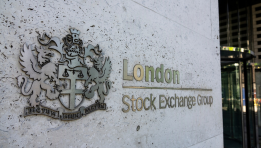
London stocks ended lower on Friday as surging oil prices reduced risk appetite and investors turned increasingly cautious ahead

- Ronny Mor
- •
- 7 Min Read
- •
- ago 2 days
SKN | Could Higher Interest Rates Add Nearly $6 Trillion to U.S. Deficits by 2036?
The U.S. government faces a growing fiscal challenge as elevated borrowing costs threaten to increase the cost of servicing
- ago 2 days
- •
- 7 Min Read
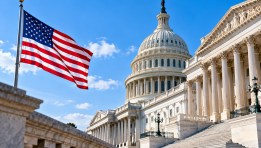
The U.S. government faces a growing fiscal challenge as elevated borrowing costs threaten to increase the cost of servicing
- Lior mor
- •
- 7 Min Read
- •
- ago 2 days
SKN | US Business Activity Growth Remains Strong as Inflationary Pressures Intensify
US Business Activity Continues to Expand US private-sector business activity maintained a strong pace of expansion in October, despite a
- ago 2 days
- •
- 7 Min Read

US Business Activity Continues to Expand US private-sector business activity maintained a strong pace of expansion in October, despite a

