




- Ronny Mor
- •
- 6 Min Read
- •
- 31 seconds ago


Key Points
- The U.S. Dollar Index declined approximately 0.22% over the five-day period, ending at 101.75 in the latest reported session.
- Trading remained volatile, with the index moving between 101.49 and 101.85 during the latest session, highlighting continued uncertainty around near-term dollar direction.
- The outlook will depend on U.S. interest-rate expectations, global risk sentiment and the relative performance of other major economies.
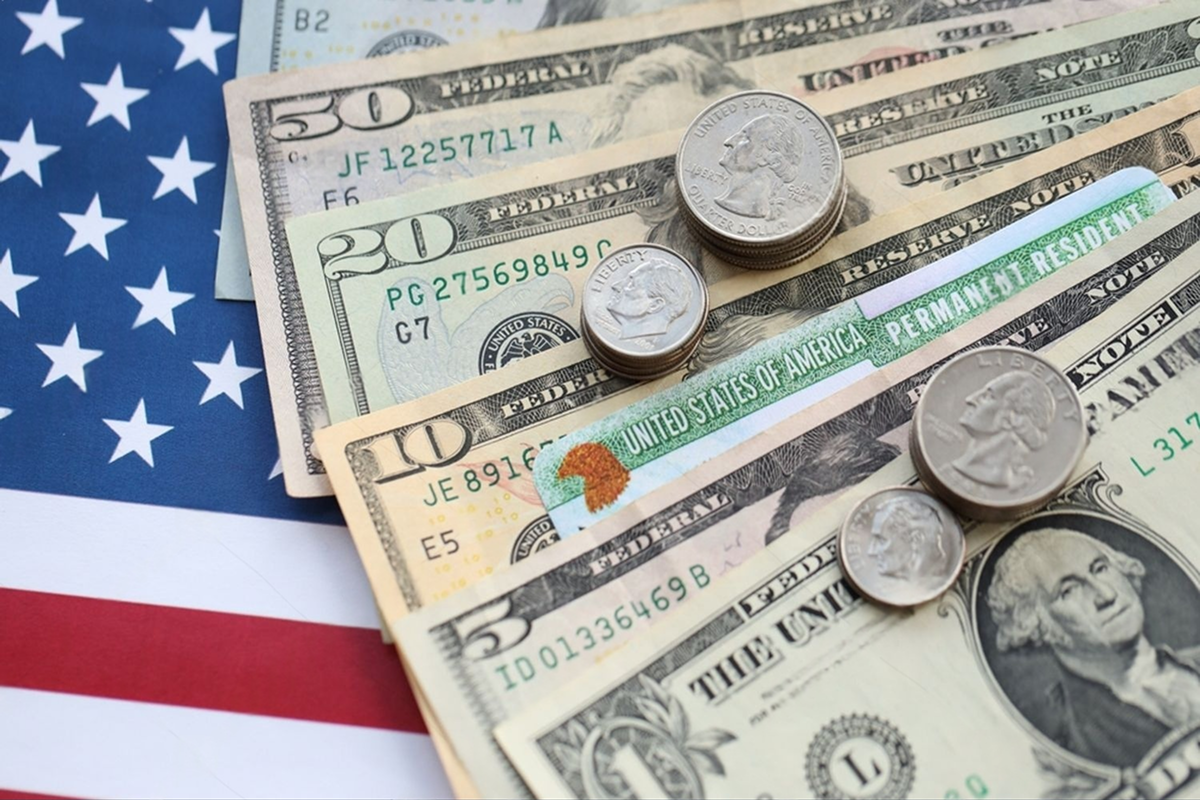
The U.S. Dollar Index (DXY) recorded a modest weekly decline, reflecting a market environment in which currency investors continue to assess the balance between U.S. economic resilience, monetary policy expectations and international risks. The index stood at 101.75 in the latest reported session, down 0.06 points on the day and approximately 0.22% over five trading days, suggesting limited net movement despite fluctuations during the period.
Dollar Trading Reflects Continued Market Uncertainty
The dollar’s weekly performance was relatively restrained, but the trading pattern was uneven. The index moved lower during parts of the period, briefly approaching 101.49, before recovering toward the upper end of its latest session range. It ultimately remained below the previous close of 101.81. This pattern suggests that selling pressure was present but did not develop into a sustained decline during the period captured by the data.
The DXY measures the U.S. dollar against a basket of major currencies, meaning its direction reflects not only U.S. economic conditions but also developments in the economies represented in that basket. A modest decline therefore does not necessarily indicate broad-based dollar weakness. Differences in interest-rate expectations, growth prospects and central-bank policy can produce divergent movements across individual currency pairs.
Interest Rates and Global Risk Appetite Remain Key Drivers
For currency markets, expectations surrounding the Federal Reserve remain an important influence. If incoming U.S. inflation and employment data reinforce expectations of relatively restrictive monetary policy, the dollar could find support through its interest-rate advantage. Conversely, evidence of slowing economic momentum or a shift toward a less restrictive policy outlook could place additional pressure on the currency.
Global risk sentiment also complicates the outlook. Periods of heightened geopolitical uncertainty or financial-market stress can increase demand for the dollar as a reserve and liquidity currency. However, that relationship is not automatic: changing expectations for U.S. growth, fiscal sustainability and government borrowing costs can offset safe-haven demand. The latest weekly decline was modest enough that it does not, by itself, establish which of these forces is becoming dominant.
Implications for Israeli Investors and Currency Exposure
For Israeli investors, movements in the dollar can influence the shekel value of overseas investments, including U.S. equities, dollar-denominated bonds and international funds that are not currency-hedged. A weaker dollar can reduce the shekel-denominated return on an overseas asset when its local-currency price remains unchanged, while dollar appreciation can have the opposite effect. Actual returns also depend on asset performance, transaction costs and any hedging arrangements.
The outlook remains conditional rather than directional. The next phase will depend on U.S. economic releases, Federal Reserve communications, Treasury yields and developments affecting global demand for liquidity. The DXY’s 52-week range of 95.55 to 102.95 places its latest level toward the upper portion of that interval, but this positioning alone does not establish whether the index is overvalued or poised to reverse. For investors managing international portfolios, continued attention to shekel-dollar volatility, interest-rate differentials and geopolitical risks may be as important as the dollar’s headline direction.
Comparison, examination, and analysis between investment houses
Leave your details, and an expert from our team will get back to you as soon as possible
* This article, in whole or in part, does not contain any promise of investment returns, nor does it constitute professional advice to make investments in any particular field.
To read more about the full disclaimer, click here
- omer bar
- •
- 6 Min Read
- •
- ago 37 minutes
SKN | VIX Weekly Review: Volatility Rebounds as Investors Reassess Market Risks
The Chicago Board Options Exchange Volatility Index (VIX), also known as Wall Street's fear gauge, finished the latest reported trading
- ago 37 minutes
- •
- 6 Min Read
The Chicago Board Options Exchange Volatility Index (VIX), also known as Wall Street's fear gauge, finished the latest reported trading

- Lior mor
- •
- 6 Min Read
- •
- ago 10 hours
SKN | Is Instacart Becoming a Strategic Acquisition Target for Uber or DoorDash?
Instacart is exploring a potential sale as consolidation pressures reshape the U.S. online delivery and e-commerce landscape, according to
- ago 10 hours
- •
- 6 Min Read

Instacart is exploring a potential sale as consolidation pressures reshape the U.S. online delivery and e-commerce landscape, according to
- omer bar
- •
- 6 Min Read
- •
- ago 10 hours
SKN | Oil Prices Surge as Houthi Attacks and Middle East Supply Risks Push Crude to Six-Month High
Oil prices surged more than $3 a barrel on Friday as fresh Houthi attacks in Saudi Arabia intensified concerns
- ago 10 hours
- •
- 6 Min Read

Oil prices surged more than $3 a barrel on Friday as fresh Houthi attacks in Saudi Arabia intensified concerns

- orshu
- •
- 6 Min Read
- •
- ago 10 hours
SKN | OpenAI Resumes Frontier AI Training After Tightening Security Controls
OpenAI has resumed training and internal inference of its frontier AI models after introducing tighter security measures and removing
- ago 10 hours
- •
- 6 Min Read

OpenAI has resumed training and internal inference of its frontier AI models after introducing tighter security measures and removing
