




- orshu
- •
- 6 Min Read
- •
- 8 hours ago


Key Points
- The FTSE 100 fell 0.3% to 10,690.36 points, ending a two-week winning streak and recording its first weekly decline in three weeks.
- Energy shares rose 3.9% as Brent crude moved above $115 a barrel, while aerospace and defence stocks fell 4.6%.
- Investors are preparing for the UK budget as stronger-than-expected inflation reinforces expectations for a Bank of England rate hike in November.
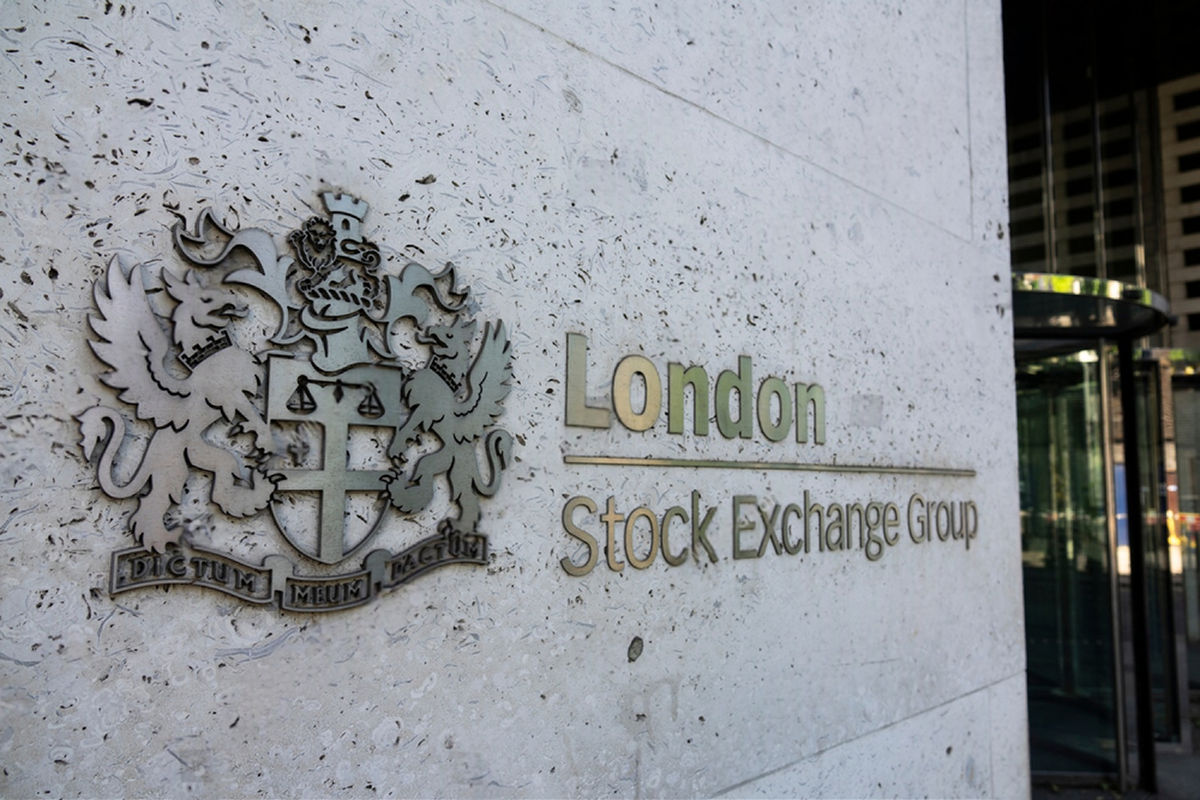
London stocks ended lower on Friday as surging oil prices reduced risk appetite and investors turned increasingly cautious ahead of next week’s UK budget. The retreat marked a break in the FTSE 100’s two-week winning streak, while stronger inflation data and weaker consumer indicators added to uncertainty over the outlook for the British economy.
FTSE 100 Breaks Winning Streak
The FTSE 100 closed 0.3% lower at 10,690.36 points, recording its first weekly loss in three weeks. The mid-cap FTSE 250, meanwhile, gained 0.1% on Friday but posted its sharpest weekly decline in six weeks, reflecting broader investor caution across UK equities.
Most sectors declined as investors assessed the effects of higher energy prices and the potential consequences of tighter monetary policy. The combination of elevated oil prices and rising interest-rate expectations is particularly significant for companies exposed to domestic consumer demand, financing costs and operating expenses.
Energy Gains Offset Broader Sector Weakness
Energy shares advanced 3.9% as Brent crude crossed $115 a barrel, providing a significant source of support to the benchmark index. Higher crude prices can improve earnings expectations for major energy producers, helping offset weakness elsewhere in the market.
Other sectors faced more substantial pressure. Aerospace and defence shares fell 4.6% to their lowest level in more than five months. Rolls-Royce dropped 7.6%, its largest one-day decline since April 2025, while French rival Safran fell 10% after warning that slower aftermarket sales growth could extend into 2027. Banks declined 0.8%, while healthcare stocks fell 1.1%.
Inflation and Consumer Data Complicate Rate Outlook
Recent economic data have strengthened expectations for a Bank of England interest-rate hike in November. Price pressures exceeded forecasts in September, and markets are now fully pricing a rate increase, adding another challenge for UK companies and households already facing elevated costs.
At the same time, British retail sales volumes fell more than expected in September. Consumer confidence also weakened sharply in October, posting its steepest monthly decline since the early stages of the pandemic, according to separate data. The combination suggests that persistent inflation is occurring alongside pressure on consumer spending and sentiment.
UK Budget Becomes the Next Major Catalyst
Investors are now looking toward Finance Minister John Healey’s first budget next week for signals on fiscal policy and the government’s approach to the economy. The budget arrives at a sensitive moment, with markets already balancing higher oil prices, increased rate expectations and signs of weaker consumer momentum.
The coming sessions will therefore be shaped by the interaction between fiscal policy, inflation and global commodity prices. Investors will monitor the budget for measures that could influence household spending, business confidence and government finances, while continued strength in oil markets could further complicate the Bank of England’s policy outlook. The performance of energy shares versus more economically sensitive sectors will also provide an important gauge of how markets are positioning for the next phase of the UK economic cycle.
Comparison, examination, and analysis between investment houses
Leave your details, and an expert from our team will get back to you as soon as possible
* This article, in whole or in part, does not contain any promise of investment returns, nor does it constitute professional advice to make investments in any particular field.
To read more about the full disclaimer, click here
- sagi habasov
- •
- 7 Min Read
- •
- ago 8 hours
SKN | Can Big Tech Earnings and the Fed Stabilize Wall Street’s Fragile AI Rally?
U.S. stock investors enter a pivotal week as a heavy corporate earnings calendar and a Federal Reserve policy meeting
- ago 8 hours
- •
- 7 Min Read

U.S. stock investors enter a pivotal week as a heavy corporate earnings calendar and a Federal Reserve policy meeting

- Arik Arkadi Sluzki
- •
- 6 Min Read
- •
- ago 9 hours
SKN | Wall Street Ends a Turbulent Week Lower as AI Concerns and Rate Risks Persist
Wall Street closed lower on Friday, ending a turbulent week dominated by renewed concerns surrounding the cost of financing
- ago 9 hours
- •
- 6 Min Read

Wall Street closed lower on Friday, ending a turbulent week dominated by renewed concerns surrounding the cost of financing

- orshu
- •
- 8 Min Read
- •
- ago 11 hours
SKN | Americas Market Overview: Dow Falls 1.23% as U.S. Stocks Decline
U.S. Equities Decline as the Dow Leads Losses U.S. stocks recorded losses across all four major benchmarks, with the Dow
- ago 11 hours
- •
- 8 Min Read

U.S. Equities Decline as the Dow Leads Losses U.S. stocks recorded losses across all four major benchmarks, with the Dow
- sagi habasov
- •
- 7 Min Read
- •
- ago 11 hours
SKN | Global Equity Fund Inflows Set to Reach a Record $1.3 Trillion in 2026 as Technology Attracts Billions
Global investor demand for equities is accelerating, with fund-flow data pointing toward a potentially historic year for stock-market allocations.
- ago 11 hours
- •
- 7 Min Read

Global investor demand for equities is accelerating, with fund-flow data pointing toward a potentially historic year for stock-market allocations.
