





- omer bar
- •
- 7 Min Read
- •
- 22 seconds ago


Key Points
- Microsoft has developed an AI diagnostic system designed to investigate symptoms, request additional information and select medical tests sequentially, rather than making a diagnosis from a fixed set of data.
- In evaluations of complex medical cases, the system substantially outperformed generalist physicians on diagnostic accuracy, while also demonstrating potential to reduce testing costs.
- Microsoft is moving toward hospital-based evaluation, but real-world clinical safety, reliability and patient outcomes remain critical questions before wider adoption.
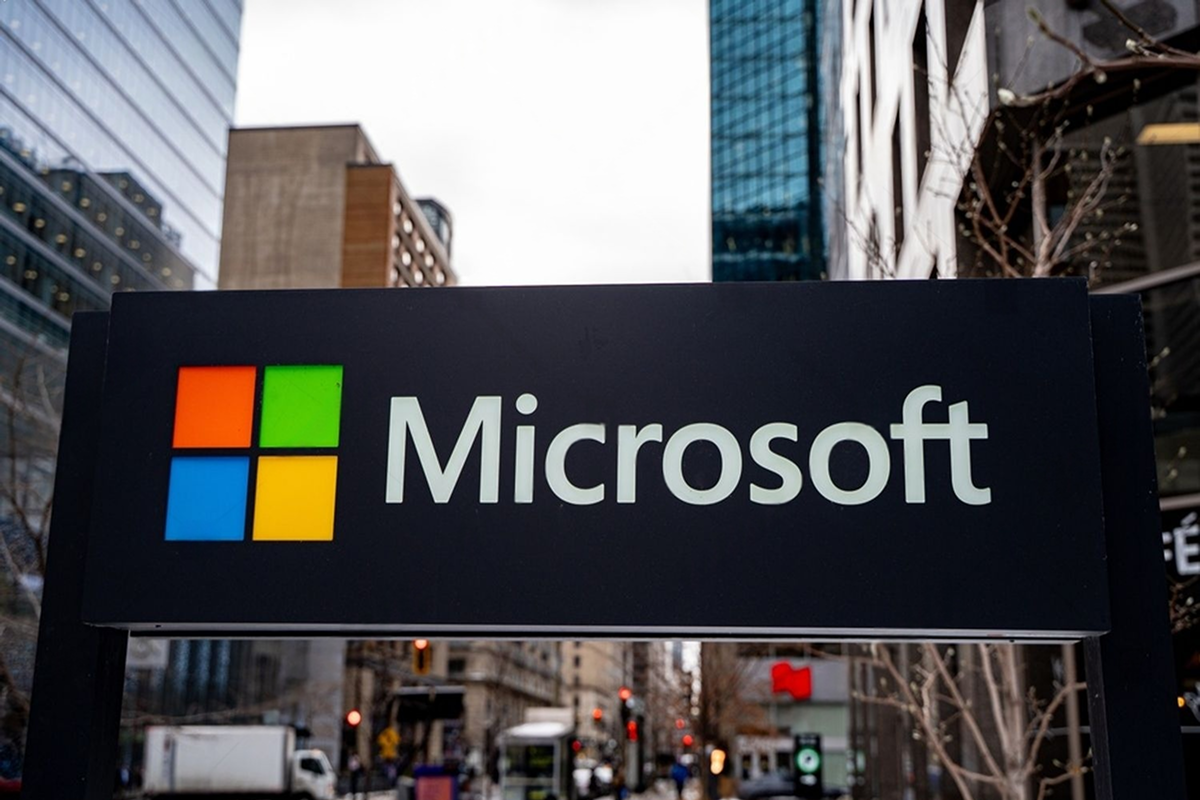
Microsoft is advancing the use of artificial intelligence in healthcare with a diagnostic system designed to replicate the step-by-step reasoning doctors use when investigating difficult medical cases. The development comes as healthcare providers face rising costs, growing demand for medical services and pressure to improve diagnostic efficiency, creating a potential new market for AI-powered clinical tools.
From Instant Answers to Sequential Diagnosis
Unlike conventional AI systems that receive a complete case description and immediately suggest a diagnosis, Microsoft’s Diagnostic Orchestrator is designed to gather information progressively. It can ask follow-up questions, consider possible conditions, request additional tests and revise its assessment as new evidence becomes available.
The approach reflects how physicians typically investigate complicated symptoms. An initial complaint may point toward several possible conditions, requiring further questions, examinations or laboratory tests before a reliable diagnosis can be reached. By coordinating multiple AI-driven clinical perspectives, the system aims to evaluate competing explanations and identify which tests are most likely to provide useful information.
This sequential approach also addresses a limitation in traditional AI evaluations, which often rely on multiple-choice questions or static medical cases. Such tests can measure medical knowledge but may not adequately reflect the uncertainty and decision-making involved in real clinical practice.
Benchmark Results Show Potential for Greater Accuracy
Microsoft’s research evaluated its system on challenging clinical cases, including cases drawn from medical reports and emergency department records. In one benchmark involving cases from the New England Journal of Medicine, the Diagnostic Orchestrator paired with OpenAI’s o3 model achieved diagnostic accuracy of approximately 83%, compared with about 36% for generalist physicians using reference tools. On a separate emergency department dataset, the system achieved approximately 80% accuracy, versus about 47% for physicians.
These results suggest that structured, iterative reasoning can improve an AI model’s ability to investigate complex conditions. The system also demonstrated potential to manage diagnostic costs by selecting tests more strategically instead of relying on extensive testing in every case.
However, the figures should be interpreted carefully. The evaluations used selected medical cases and structured testing environments, which differ from routine clinical encounters. The results do not establish that the system will outperform specialists in every setting or improve patient outcomes when used in hospitals.
Commercial Opportunities and Clinical Risks
For Microsoft, AI-powered diagnostics could expand the role of its technology beyond general productivity tools and into healthcare workflows. Hospitals and healthcare networks could potentially use such systems to support clinical decision-making, prioritize further investigations and help clinicians manage complex cases. If validated in practice, these capabilities could create opportunities for enterprise AI services and partnerships with healthcare institutions.
The principal challenge is translating benchmark performance into safe, dependable clinical use. Medical records can be incomplete, patients may describe symptoms inaccurately, and diagnostic mistakes can carry serious consequences. Privacy, accountability, regulatory requirements and integration with existing hospital systems will also influence adoption.
Microsoft’s planned evaluation with Beth Israel Deaconess Medical Center will be an important step in assessing the system’s potential for emergency department triage. The next milestones will be evidence from real-world clinical settings, independent validation and clearer measures of patient safety and cost-effectiveness. Until those results emerge, the technology is best viewed as a promising potential aid to medical professionals rather than a replacement for clinical judgment.
Comparison, examination, and analysis between investment houses
Leave your details, and an expert from our team will get back to you as soon as possible
* This article, in whole or in part, does not contain any promise of investment returns, nor does it constitute professional advice to make investments in any particular field.
To read more about the full disclaimer, click here
- Lior mor
- •
- 7 Min Read
- •
- ago 10 minutes
SKN | HD Hyundai and Kiewit plan to build a U.S. shipyard targeting 3,000 jobs by 2029.
South Korean shipbuilding group HD Hyundai is joining forces with U.S. engineering and construction company Kiewit to establish a new
- ago 10 minutes
- •
- 7 Min Read

South Korean shipbuilding group HD Hyundai is joining forces with U.S. engineering and construction company Kiewit to establish a new

- sagi habasov
- •
- 7 Min Read
- •
- ago 3 hours
SKN | SK Hynix puts Solidigm’s potential $15 billion U.S. IPO on hold amid market volatility.
SK Hynix has suspended its review of a potential U.S. initial public offering (IPO) for Solidigm, its U.S.-based memory subsidiary,
- ago 3 hours
- •
- 7 Min Read
SK Hynix has suspended its review of a potential U.S. initial public offering (IPO) for Solidigm, its U.S.-based memory subsidiary,
- sagi habasov
- •
- 7 Min Read
- •
- ago 4 hours
SKN | OpenAI targets a $30 billion funding round at a $1.25 trillion valuation as the AI company prepares for a potential IPO.
OpenAI is reportedly working on a new funding round of up to $30 billion at a $1.25 trillion valuation as
- ago 4 hours
- •
- 7 Min Read

OpenAI is reportedly working on a new funding round of up to $30 billion at a $1.25 trillion valuation as

- omer bar
- •
- 7 Min Read
- •
- ago 12 hours
SKN | Nasdaq Leads Wall Street Lower as AI Spending Concerns Return and Oil Prices Rebound
Wall Street moved lower on Thursday as renewed concerns over the scale and sustainability of artificial intelligence spending pressured
- ago 12 hours
- •
- 7 Min Read

Wall Street moved lower on Thursday as renewed concerns over the scale and sustainability of artificial intelligence spending pressured

