




- sagi habasov
- •
- 7 Min Read
- •
- 32 seconds ago


Key Points
- Meta shares fell more than 5% in early trading as investors weighed rapid AI growth against the escalating cost of the company's expansion.
- Meta expects annual capital expenditure of $135 billion to $145 billion, while third-quarter free cash flow turned negative.
- Muse adoption and stronger advertising performance supported the growth story, but a $25 billion privacy penalty and record-high credit insurance costs added pressure.
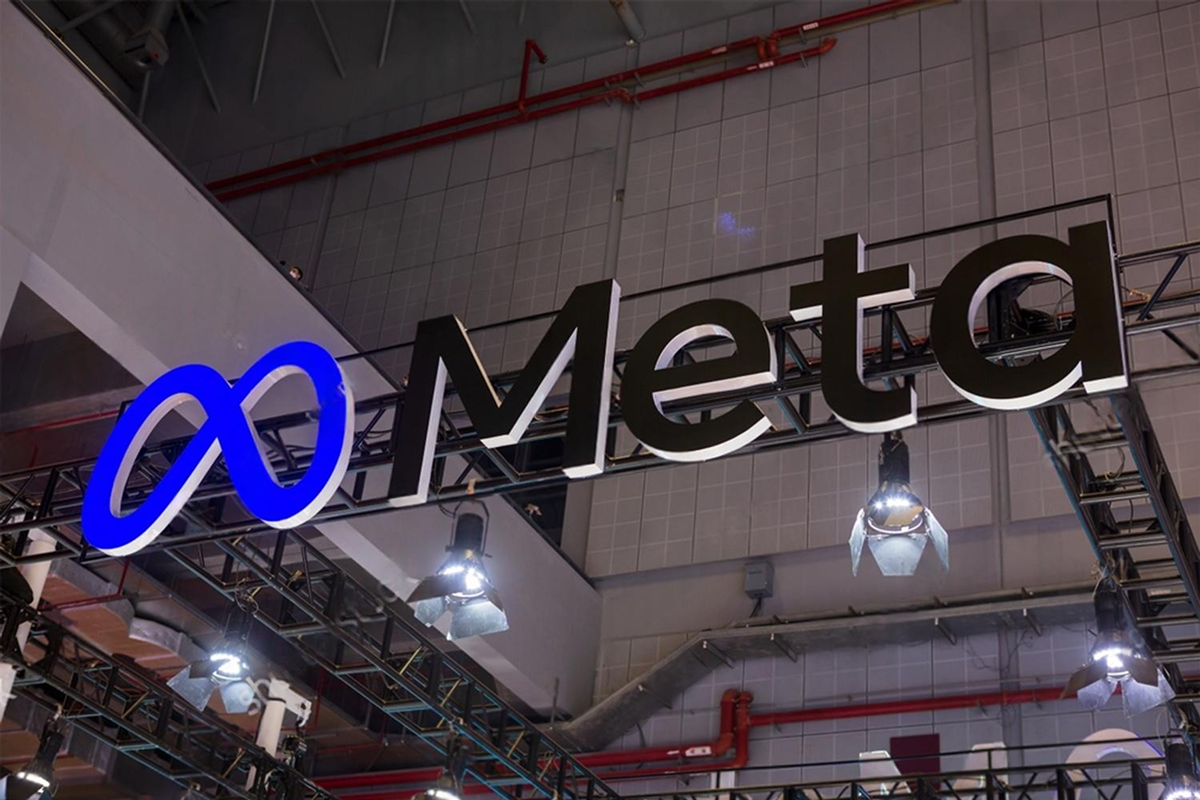
Meta Platforms is facing a more complicated investor debate as its artificial intelligence ambitions begin producing stronger signs of commercial traction while simultaneously requiring unprecedented levels of spending. Shares fell more than 5% on Thursday despite stronger-than-expected quarterly revenue and an upbeat fourth-quarter sales forecast, highlighting growing scrutiny of the cost of Meta’s AI expansion.
Muse Growth Supports Meta’s AI Strategy
Meta’s latest results provided evidence that its AI investments are beginning to influence the company’s core advertising business. The company highlighted rapid adoption of its new Muse AI agent app, while Deutsche Bank analyst Benjamin Black said AI investments were contributing to stronger advertising performance and user engagement.
That dynamic is changing how some investors view Meta’s technology spending. Rather than treating computing infrastructure exclusively as a cost, investors are increasingly considering whether it can become a revenue-generating asset by improving advertising performance, engagement and new AI services.
At least 13 brokerages raised their price targets following the results, according to LSEG data, indicating that parts of Wall Street see greater commercial potential from Meta’s AI strategy despite the immediate share-price decline.
Capital Spending Creates a Growing Financial Burden
The positive AI narrative is being tested by the scale of investment required to support it. Meta expects annual capital expenditure of between $135 billion and $145 billion, underscoring the enormous resources required to expand computing infrastructure and develop AI capabilities.
The financial impact was already visible in the third quarter, when Meta reported a $2.12 billion free cash flow deficit, compared with positive free cash flow a year earlier. For investors, the deterioration raises an important question: how quickly can AI-related revenue and efficiency gains offset the cash required to build the underlying infrastructure?
The issue is particularly relevant because Meta’s spending plans are among the largest corporate commitments to AI, making the company an important test case for whether massive technology investment can ultimately translate into sustainable financial returns.
Legal and Credit Risks Add to Investor Concerns
Meta’s earnings report also arrived shortly after a New Mexico judge ordered the company to pay a $25 billion penalty in a data-privacy case linked to Cambridge Analytica. Meta said it plans to appeal the ruling, meaning the legal outcome remains subject to further proceedings.
At the same time, concerns about Meta’s AI spending have spread into credit markets. The cost of insuring the company’s debt against default widened to a record high, reflecting increased investor attention to the financial implications of its investment plans.
Meta also announced plans for a new class of non-voting Class C shares. The structure would provide greater flexibility for acquisitions and employee compensation while maintaining CEO Mark Zuckerberg’s voting control.
Meta’s AI Investment Enters a Critical Phase
The sharp share-price reaction shows that stronger revenue alone may no longer be sufficient to satisfy investors when capital requirements are expanding so rapidly. Meta’s ability to demonstrate measurable returns from its AI infrastructure will increasingly determine how markets value the company’s next phase of growth.
Going forward, investors will monitor Muse adoption, advertising engagement, free cash flow and the pace of capital expenditure, alongside developments in the privacy case and credit markets. The central question is whether AI-driven revenue growth can scale faster than Meta’s investment requirements, allowing the company to turn its enormous infrastructure spending into durable earnings and cash generation.
Comparison, examination, and analysis between investment houses
Leave your details, and an expert from our team will get back to you as soon as possible
* This article, in whole or in part, does not contain any promise of investment returns, nor does it constitute professional advice to make investments in any particular field.
To read more about the full disclaimer, click here
- Ronny Mor
- •
- 7 Min Read
- •
- ago 23 seconds
SKN | Tesla Shares Slip as Capex Cut Raises Questions Over Musk’s AI and Robotics Ambitions
Tesla shares came under pressure on Thursday after the electric-vehicle maker reduced its capital spending outlook, creating fresh uncertainty
- ago 23 seconds
- •
- 7 Min Read

Tesla shares came under pressure on Thursday after the electric-vehicle maker reduced its capital spending outlook, creating fresh uncertainty

- sagi habasov
- •
- 6 Min Read
- •
- ago 14 hours
SKN | Tesla targets Cybercab sales by year-end as unresolved regulatory questions cast uncertainty over its planned robotaxi launch.
Tesla plans to begin selling its Cybercab autonomous vehicle to customers by the end of 2026, marking a potential shift
- ago 14 hours
- •
- 6 Min Read

Tesla plans to begin selling its Cybercab autonomous vehicle to customers by the end of 2026, marking a potential shift

- omer bar
- •
- 6 Min Read
- •
- ago 14 hours
SKN | Meta faces an Australian class action alleging its social media platforms harm children, adding to legal and regulatory risks for the company.
Meta Platforms, the parent company of Facebook and Instagram, is facing a class action lawsuit in Australia over allegations that
- ago 14 hours
- •
- 6 Min Read

Meta Platforms, the parent company of Facebook and Instagram, is facing a class action lawsuit in Australia over allegations that
- Ronny Mor
- •
- 7 Min Read
- •
- ago 19 hours
SKN | Europe’s Financial Regulators Question Google Over Cloud Outage That Disrupted Banks
European financial regulators are questioning Google following a cloud computing outage that left millions of bank customers unable to
- ago 19 hours
- •
- 7 Min Read

European financial regulators are questioning Google following a cloud computing outage that left millions of bank customers unable to
