





- omer bar
- •
- 7 Min Read
- •
- 32 seconds ago


Key Points
- The VanEck Gold Miners ETF (GDX) provides exposure to global mining companies, rather than to physical gold itself.
- Mining stocks can amplify movements in gold prices, but operating costs, production levels, company-specific risks and stock-market sentiment also shape returns.
- GDX charges a net expense ratio of 0.51% and tracks an index designed to reflect the performance of companies involved in the gold mining industry.

Gold often attracts attention when investors reassess inflation, interest rates, geopolitical uncertainty and demand for defensive assets. Shares of gold mining companies offer a different form of exposure: their earnings can benefit when gold prices rise, but their performance also depends on extraction costs, operational efficiency and capital allocation. The VanEck Gold Miners ETF (GDX) brings together a portfolio of mining-related equities, giving investors access to the sector while retaining the risks associated with individual companies and global stock markets.
How GDX Provides Exposure to Gold Miners
GDX seeks to track, before fees and expenses, the MarketVector Global Gold Miners Index, which measures the performance of companies involved in the gold mining industry. The fund began trading in May 2006 and is listed on NYSE Arca. Its portfolio includes major international mining businesses, including Newmont, Agnico Eagle Mines and Barrick Mining, alongside other producers and precious-metals companies. The fund’s net expense ratio is 0.51%, with operating expenses subject to a contractual cap of 0.53% through at least May 1, 2027, excluding specified costs such as trading expenses and taxes.
This structure differs from an investment that holds physical gold or tracks its spot price directly. GDX shareholders own an interest in a portfolio of companies whose valuations reflect both gold-market conditions and their individual business prospects. The fund therefore offers sector exposure, not a direct claim on a fixed quantity of bullion.
Why Mining Shares Can Move More Than Gold
Mining companies can experience a form of operating leverage when gold prices change. A producer’s revenue may rise when the selling price of gold increases, while some operating expenses adjust more slowly. If production volumes and costs remain stable, the difference can translate into a disproportionate increase in profit. The reverse can occur when gold prices fall or operating expenses rise, potentially causing mining shares to decline more sharply than the underlying metal.
That relationship is not automatic. Energy, labor, equipment and development costs can erode margins even during periods of higher gold prices. Production disruptions, permitting delays, political risks and decisions on acquisitions or capital spending can also affect company valuations. GDX’s performance consequently reflects a combination of commodity-price exposure, corporate execution and broader equity-market conditions.
Interest Rates, Diversification and Key Risks
The macroeconomic environment influences both gold and mining equities. Lower real interest rates can reduce the opportunity cost of holding non-yielding gold, while a stronger U.S. dollar may put pressure on dollar-denominated gold prices. However, mining shares do not always move in line with bullion. During periods of broad equity-market stress, investors may sell mining stocks alongside other equities, even if gold itself holds up relatively well.
The fund also carries concentration risk. Large mining companies can account for meaningful portions of the portfolio, and shared exposure to gold prices means that holdings may respond similarly to the same market shocks. Currency movements, regulatory changes and geopolitical developments in mining jurisdictions can introduce further uncertainty.
Going forward, the key indicators for GDX include the direction of gold prices, miners’ production costs, operating margins, output guidance and capital discipline. Interest-rate expectations, the dollar and global equity-market sentiment will also matter. Whether stronger gold prices translate into sustained gains for mining stocks will depend on how much of the revenue benefit companies retain after costs and investment requirements.
Comparison, examination, and analysis between investment houses
Leave your details, and an expert from our team will get back to you as soon as possible
* This article, in whole or in part, does not contain any promise of investment returns, nor does it constitute professional advice to make investments in any particular field.
To read more about the full disclaimer, click here
- Arik Arkadi Sluzki
- •
- 7 Min Read
- •
- ago 12 hours
SKN | BlackRock Expands AI ETF Lineup With New Robotics Fund
BlackRock is expanding its presence in the rapidly growing market for artificial intelligence-themed exchange-traded funds, launching a new robotics-focused
- ago 12 hours
- •
- 7 Min Read

BlackRock is expanding its presence in the rapidly growing market for artificial intelligence-themed exchange-traded funds, launching a new robotics-focused

- Lior mor
- •
- 7 Min Read
- •
- ago 1 day
SKN | ProShares’ Bitcoin ETF offers investors cryptocurrency market exposure through an exchange-traded fund structure.
Bitcoin-linked exchange-traded funds have expanded the ways traditional investors can access cryptocurrency markets through familiar brokerage accounts. ProShares Bitcoin ETF
- ago 1 day
- •
- 7 Min Read
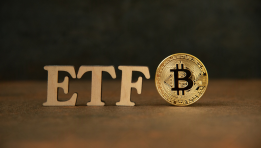
Bitcoin-linked exchange-traded funds have expanded the ways traditional investors can access cryptocurrency markets through familiar brokerage accounts. ProShares Bitcoin ETF

- Ronny Mor
- •
- 8 Min Read
- •
- ago 2 days
SKN | Brazil’s Stock Market Offers Emerging-Market Exposure: What Drives the iShares MSCI Brazil ETF?
Brazil offers investors exposure to a major emerging-market economy with substantial natural resources, a large domestic consumer base and internationally
- ago 2 days
- •
- 8 Min Read

Brazil offers investors exposure to a major emerging-market economy with substantial natural resources, a large domestic consumer base and internationally

- sagi habasov
- •
- 7 Min Read
- •
- ago 3 days
SKN | JPMorgan’s Equity Premium Income ETF raises questions about whether its monthly income strategy can keep pace with Nasdaq market gains.
As investors weigh the growth potential of technology stocks against uncertainty over interest rates, valuations and artificial intelligence spending, income-oriented
- ago 3 days
- •
- 7 Min Read

As investors weigh the growth potential of technology stocks against uncertainty over interest rates, valuations and artificial intelligence spending, income-oriented

