




- Lior mor
- •
- 7 Min Read
- •
- 36 seconds ago


Key Points
- ProShares Bitcoin ETF (BITO) provides exposure to Bitcoin futures rather than holding Bitcoin directly, making its performance dependent on futures-market dynamics as well as the cryptocurrency’s price.
- Futures roll costs, management expenses and differences between futures and spot prices can cause BITO’s returns to diverge from Bitcoin’s performance.
- Interest-rate expectations, regulatory developments and institutional demand remain important factors shaping the outlook for Bitcoin-linked investment products.
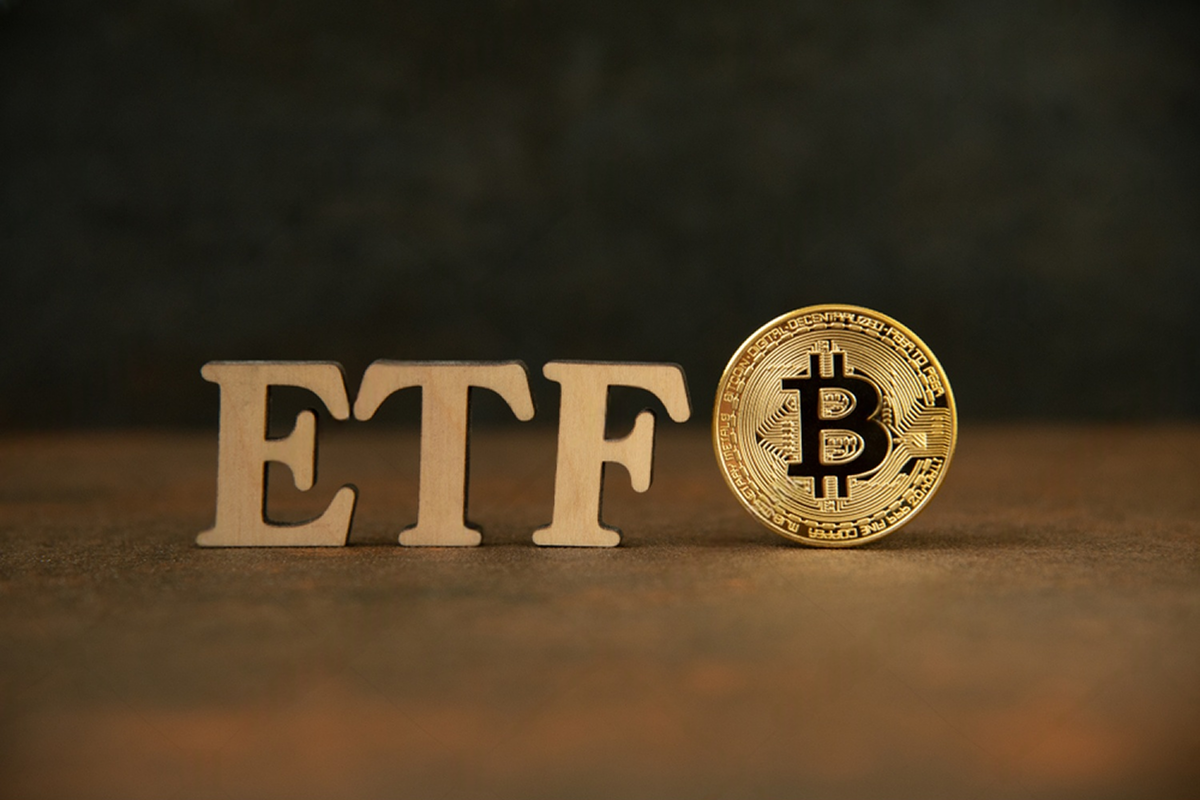
Bitcoin-linked exchange-traded funds have expanded the ways traditional investors can access cryptocurrency markets through familiar brokerage accounts. ProShares Bitcoin ETF (BITO), launched in October 2021, was the first U.S. exchange-traded fund to provide exposure to Bitcoin through futures contracts, offering a regulated-market alternative to direct ownership while introducing a distinct set of performance and structural considerations.
How BITO’s Futures-Based Structure Works
BITO seeks to provide exposure to Bitcoin through Bitcoin futures contracts rather than by holding the cryptocurrency directly. Its portfolio can include futures traded on the Chicago Mercantile Exchange (CME), alongside cash, Treasury securities and other instruments used to manage collateral and liquidity. The fund trades through conventional brokerage infrastructure, allowing investors to gain Bitcoin-related exposure without managing private keys or using a cryptocurrency exchange.
The distinction between futures-based and spot exposure is central to understanding the fund. A Bitcoin futures contract reflects an agreed price for a transaction at a specified future date, while the spot market reflects the current price of Bitcoin. Futures prices can trade above or below spot prices depending on market expectations, financing conditions and demand for leveraged or hedged positions. As a result, BITO’s returns are not designed to match Bitcoin’s spot-price change precisely.
The fund charges an annual management fee. Its expense ratio has historically been 0.95%, although investors should verify the latest prospectus for current fees and operating terms. Trading spreads, brokerage costs and the fund’s internal trading activity can add to the overall cost of exposure.
Why Performance Can Diverge From Bitcoin
BITO’s futures exposure must be maintained as contracts approach expiration. This process, known as rolling, involves selling contracts nearing maturity and acquiring contracts with later expiration dates. When longer-dated futures trade above nearer-dated contracts or spot prices—a condition known as contango—the fund may incur costs as it replaces expiring positions. In backwardation, when the futures curve slopes in the opposite direction, rolling can have a more favorable effect, all else being equal.
These effects can become significant over time, particularly during periods when futures prices remain persistently above spot prices. Consequently, Bitcoin may rise over a given period while BITO delivers a different return. Short-term results can also be affected by daily price volatility, contract positioning and cash management. Investors evaluating the fund’s performance therefore need to distinguish the movement of Bitcoin itself from the additional effects of the futures market and fund expenses.
Market Drivers, Regulation and the Competitive Landscape
BITO’s outlook remains linked to the wider forces affecting digital assets. Changes in monetary-policy expectations, the U.S. dollar, institutional portfolio demand and perceptions of regulatory risk can influence Bitcoin prices and futures positioning. Periods of stronger risk appetite may support cryptocurrency valuations, while tighter financial conditions or adverse regulatory developments can weigh on demand.
The competitive landscape has also changed since BITO’s launch. In January 2024, U.S. regulators approved spot Bitcoin exchange-traded products, providing investors with additional exchange-traded structures that hold Bitcoin directly. These products differ from futures-based funds in how they obtain exposure, their costs and the sources of tracking differences. The expansion of available products has increased the importance of comparing structure, liquidity, expenses and the specific exposure an investor seeks.
Going forward, BITO’s performance will depend on Bitcoin’s price trajectory, the shape of the CME futures curve, trading liquidity and competition from spot Bitcoin products. Regulatory developments and shifts in institutional demand may influence the market, while persistent contango could remain a drag on longer-term returns. Monitoring these factors is essential to understanding how a futures-based Bitcoin fund behaves across changing market conditions.
Comparison, examination, and analysis between investment houses
Leave your details, and an expert from our team will get back to you as soon as possible
* This article, in whole or in part, does not contain any promise of investment returns, nor does it constitute professional advice to make investments in any particular field.
To read more about the full disclaimer, click here
- Ronny Mor
- •
- 8 Min Read
- •
- ago 24 hours
SKN | Brazil’s Stock Market Offers Emerging-Market Exposure: What Drives the iShares MSCI Brazil ETF?
Brazil offers investors exposure to a major emerging-market economy with substantial natural resources, a large domestic consumer base and internationally
- ago 24 hours
- •
- 8 Min Read

Brazil offers investors exposure to a major emerging-market economy with substantial natural resources, a large domestic consumer base and internationally

- sagi habasov
- •
- 7 Min Read
- •
- ago 2 days
SKN | JPMorgan’s Equity Premium Income ETF raises questions about whether its monthly income strategy can keep pace with Nasdaq market gains.
As investors weigh the growth potential of technology stocks against uncertainty over interest rates, valuations and artificial intelligence spending, income-oriented
- ago 2 days
- •
- 7 Min Read

As investors weigh the growth potential of technology stocks against uncertainty over interest rates, valuations and artificial intelligence spending, income-oriented
- sagi habasov
- •
- 7 Min Read
- •
- ago 5 days
SKN | Triple-Leveraged Semiconductor Exposure: How SOXL Amplifies AI-Driven Market Swings
Semiconductor stocks have become a focal point for global markets as investment in artificial intelligence, data centers and advanced computing
- ago 5 days
- •
- 7 Min Read

Semiconductor stocks have become a focal point for global markets as investment in artificial intelligence, data centers and advanced computing

- Lior mor
- •
- 7 Min Read
- •
- ago 5 days
SKN | S&P 500 ETF Trading Volume Hits Multi-Decade Lows as Investors Enter Consolidation Mode
Trading activity in the U.S. equity market has reportedly fallen to exceptionally low levels, raising questions about investor participation
- ago 5 days
- •
- 7 Min Read

Trading activity in the U.S. equity market has reportedly fallen to exceptionally low levels, raising questions about investor participation