





- Lior mor
- •
- 7 Min Read
- •
- 1 hour ago


Key Points
- Brent crude reached its highest level since May, settling at $109.86 per barrel after gaining 3.7% as concerns over global supply intensified.
- West Texas Intermediate climbed to $101.41 per barrel, its highest settlement since September 17, amid escalating geopolitical risks.
- Disruptions to Russian refining operations and uncertainty surrounding Middle Eastern energy shipments added to supply concerns, while the United States offered 17 million barrels of crude from its emergency reserve for exchange.

Global oil prices climbed sharply on Friday as escalating tensions in the Middle East and uncertainty surrounding Russian fuel supplies heightened concerns about the availability of energy in international markets. Brent crude briefly touched $110 per barrel for the first time since May, while U.S. crude futures also advanced significantly. The rally underscores the sensitivity of energy markets to geopolitical developments, particularly when potential disruptions affect both crude production and refined petroleum products.
Brent Approaches $110 as Geopolitical Risks Escalate
Brent crude futures settled at $109.86 per barrel, gaining $3.94, or 3.7%, during the session. The benchmark reached its highest level since May 19, reflecting renewed concern that worsening tensions in the Middle East could further restrict global supplies.
U.S. West Texas Intermediate crude futures settled at $101.41 per barrel, rising $3.44, or 3.5%, to their highest level since September 17. The simultaneous increase in both benchmarks indicates that supply concerns are influencing the broader oil market rather than remaining confined to a single regional pricing reference.
One development drawing attention was a Saudi-led coalition’s announcement that it had intercepted and destroyed a ballistic missile launched toward Yanbu. Initial reports indicated no damage to infrastructure in the area, according to energy consultants Rapidan Energy Group. While the reported absence of damage limited the immediate operational impact, the incident added to market sensitivity surrounding potential threats to energy infrastructure and regional supply routes.
Russian Refinery Disruption Adds to Fuel Supply Concerns
Developments in Russia also contributed to uncertainty over the global availability of petroleum products. Russia’s Ryazan refinery suspended operations at a primary crude distillation unit, raising questions about the volume of refined products that could reach international markets.
The disruption is particularly relevant to diesel supply, which depends not only on crude availability but also on functioning refining capacity, export logistics and regional demand. A reduction in Russian refining output could tighten the market if other producers are unable to compensate quickly. However, the available information does not quantify the volume of diesel affected or establish how long the operational suspension will last.
For energy traders, the distinction between crude oil supply and refined-product availability remains important. Refinery disruptions can influence diesel prices and refining margins even when the immediate effect on global crude production is more limited. The duration of the outage and the availability of alternative supplies will therefore be important factors in assessing its broader market impact.
U.S. Emergency Reserve Offer Highlights Supply Management Efforts
The United States offered 17 million barrels of crude oil from its emergency reserve for exchange, providing an additional development for markets assessing available supply. Strategic reserves can help manage temporary supply pressures, although the scale and timing of any resulting market relief depend on the terms of the exchange and when the oil becomes available.
The reserve offer comes as markets weigh geopolitical risks against the capacity of producers and governments to respond to potential disruptions. Higher crude prices can raise transportation, manufacturing and energy costs, while sustained increases in refined fuel prices may also contribute to broader inflationary pressure.
Looking ahead, investors will monitor developments in the Middle East, the status of Russian refining operations and the practical effect of the U.S. reserve exchange. The central question is whether the latest disruptions develop into sustained reductions in available supply or remain temporary shocks. If uncertainty persists, oil prices may remain sensitive to further geopolitical developments, with implications for fuel costs, inflation expectations and the outlook for energy-related companies.
Comparison, examination, and analysis between investment houses
Leave your details, and an expert from our team will get back to you as soon as possible
* This article, in whole or in part, does not contain any promise of investment returns, nor does it constitute professional advice to make investments in any particular field.
To read more about the full disclaimer, click here
- Arik Arkadi Sluzki
- •
- 8 Min Read
- •
- ago 23 minutes
SKN | IMF Urges Global Cooperation as AI Risks, Middle East Conflict and Inflation Challenge Growth
Global economic policymakers gathered in Bangkok on October 16 amid mounting uncertainty over inflation, financing costs, geopolitical conflict and
- ago 23 minutes
- •
- 8 Min Read

Global economic policymakers gathered in Bangkok on October 16 amid mounting uncertainty over inflation, financing costs, geopolitical conflict and

- Ronny Mor
- •
- 11 Min Read
- •
- ago 2 hours
SKN | I Bonds Could Reach 4.9% in November 2026: Should Savers Wait Before Buying?
I Bond Rates Could Rise Significantly in November U.S. savings bonds linked to inflation are attracting renewed attention as rising
- ago 2 hours
- •
- 11 Min Read

I Bond Rates Could Rise Significantly in November U.S. savings bonds linked to inflation are attracting renewed attention as rising

- sagi habasov
- •
- 8 Min Read
- •
- ago 2 hours
SKN | ExxonMobil Signals Major Refining Profit Increase as Global Fuel Margins Surge
ExxonMobil has signaled a substantial improvement in refining profitability as geopolitical tensions disrupt energy flows and lift fuel prices.
- ago 2 hours
- •
- 8 Min Read
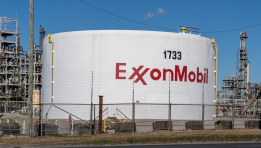
ExxonMobil has signaled a substantial improvement in refining profitability as geopolitical tensions disrupt energy flows and lift fuel prices.
- Ronny Mor
- •
- 7 Min Read
- •
- ago 2 hours
SKN | U.S. Budget Deficit Reaches Five-Year High as Debt Costs and Spending Rise
The U.S. federal budget deficit widened significantly in fiscal 2026, reflecting rising debt-servicing costs, higher government spending and a
- ago 2 hours
- •
- 7 Min Read

The U.S. federal budget deficit widened significantly in fiscal 2026, reflecting rising debt-servicing costs, higher government spending and a

