




- sagi habasov
- •
- 6 Min Read
- •
- 14 hours ago


Key Points
- The Nasdaq fell toward a one-month low as renewed selling pressure hit AI-related stocks and broader technology shares.
- Rising bond yields and concerns over AI valuations and debt are adding pressure to a market that had been supported by strong technology-sector performance.
- Weakness in capital markets, including slower M&A and IPO activity, is adding to uncertainty across Wall Street.
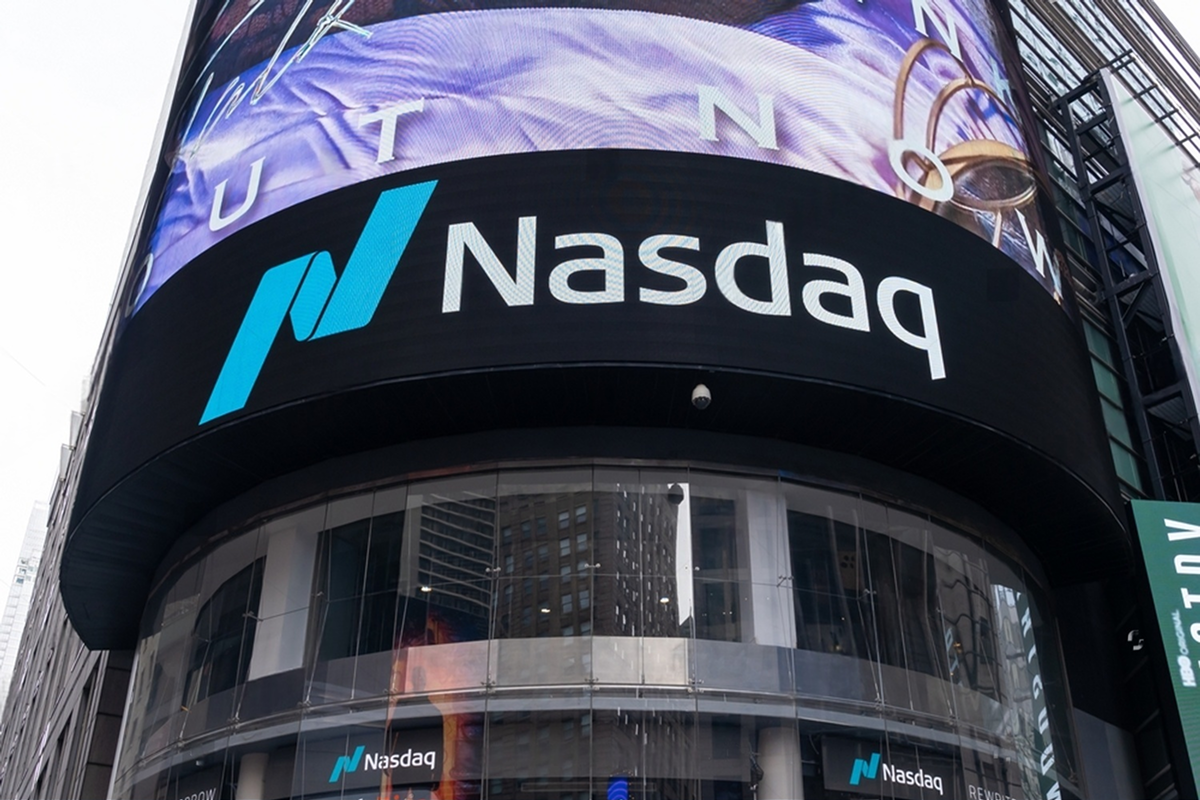
The Nasdaq came under renewed pressure as the selloff in artificial intelligence-related stocks deepened, pushing the technology-heavy index toward a one-month low. The decline reflects a broader reassessment of highly valued technology assets as investors contend with rising bond yields, financing concerns and uncertainty over whether heavy AI spending can continue to generate sufficient returns.
AI Selloff Intensifies
The latest decline extends pressure on the AI trade, which has been one of the most important drivers of U.S. equity-market performance. Investors are increasingly examining the valuations of companies associated with artificial intelligence as financing conditions become less supportive and concerns about debt levels become more prominent.
The sensitivity of AI-linked equities to interest rates remains an important factor. Higher yields can increase the cost of capital while reducing the present value assigned to future earnings, creating additional pressure on companies whose valuations depend heavily on expectations for long-term growth.
Rising Bond Yields Add to Market Pressure
The equity selloff is occurring alongside a difficult environment in the bond market. Rising Treasury yields have contributed to tighter financial conditions and have made investors more cautious about riskier assets.
The combination of higher borrowing costs and market volatility can have implications beyond technology stocks. Companies considering acquisitions, IPOs or other capital-market transactions may face greater uncertainty over financing costs and valuations. That dynamic has already contributed to weaker dealmaking activity and delayed expectations for a broader recovery in M&A and IPO markets.
Wall Street Faces a More Uneven Environment
Recent quarterly results from major Wall Street banks have highlighted the uneven nature of current capital-market conditions. While some trading businesses have benefited from volatility, investment banking activity has weakened as higher yields, geopolitical concerns and instability in technology markets affect corporate decision-making.
The slowdown in dealmaking is particularly significant because investment banking is cyclical. A strong pipeline can support future revenue, but companies may postpone transactions when market conditions make valuations or financing less attractive. This creates an environment in which financial institutions can experience strong performance in some businesses while facing pressure in others.
Investors Reassess AI and Debt Risks
The deepening Nasdaq decline suggests that investors are becoming more selective about the assumptions supporting the AI-driven market rally. AI spending, corporate debt and financing conditions are increasingly being assessed together rather than as separate market themes.
Going forward, investors will closely monitor the direction of Treasury yields, developments in AI-related equities and corporate earnings for evidence of whether the current repricing is temporary or more persistent. The ability of technology companies to demonstrate earnings growth capable of supporting elevated valuations will remain critical. At the same time, stabilization in bond markets could ease some pressure on rate-sensitive equities, while continued increases in financing costs could extend the rotation toward companies with stronger balance sheets and clearer near-term cash-flow visibility.
Comparison, examination, and analysis between investment houses
Leave your details, and an expert from our team will get back to you as soon as possible
* This article, in whole or in part, does not contain any promise of investment returns, nor does it constitute professional advice to make investments in any particular field.
To read more about the full disclaimer, click here
- orshu
- •
- 7 Min Read
- •
- ago 3 hours
SKN | Asian Markets Rebound on October 16, 2026 as KOSPI Gains 2.05% After Sharp Selloff
Asian equity markets staged a broad recovery on October 16, 2026, as investors responded to the previous session's steep losses
- ago 3 hours
- •
- 7 Min Read

Asian equity markets staged a broad recovery on October 16, 2026, as investors responded to the previous session's steep losses

- omer bar
- •
- 7 Min Read
- •
- ago 11 hours
SKN | Intuit Acquires Sequence to Expand AI-Powered Revenue Management Capabilities
Intuit is expanding its artificial intelligence strategy beyond accounting and tax preparation, agreeing on October 15, 2026, to acquire Sequence,
- ago 11 hours
- •
- 7 Min Read

Intuit is expanding its artificial intelligence strategy beyond accounting and tax preparation, agreeing on October 15, 2026, to acquire Sequence,

- Ronny Mor
- •
- 7 Min Read
- •
- ago 13 hours
SKN | CoreWeave Debt Concerns Put the Sustainability of the AI Boom Under Greater Scrutiny
CoreWeave's mounting debt is becoming an important test for the economics of the artificial intelligence boom, as investors increasingly
- ago 13 hours
- •
- 7 Min Read

CoreWeave's mounting debt is becoming an important test for the economics of the artificial intelligence boom, as investors increasingly

- Arik Arkadi Sluzki
- •
- 7 Min Read
- •
- ago 13 hours
SKN | Meta Expands Open-Weight AI Push With Muse Spark Model for Coding and AI Agents
Meta Platforms is expanding its open-weight artificial intelligence strategy with the release of Muse Spark, a model aimed at
- ago 13 hours
- •
- 7 Min Read
Meta Platforms is expanding its open-weight artificial intelligence strategy with the release of Muse Spark, a model aimed at
