




- Ronny Mor
- •
- 7 Min Read
- •
- 11 seconds ago


Key Points
- The IMF warns that weaker AI investment returns, rising sovereign bond yields and major cyberattacks could trigger broader market stress.
- Hyperscale technology companies now account for 10% of global investment-grade bond issuance, up from less than 1% in 2024.
- Banking systems remain broadly resilient, but stress tests show weaknesses among institutions representing 22% of global banking assets.
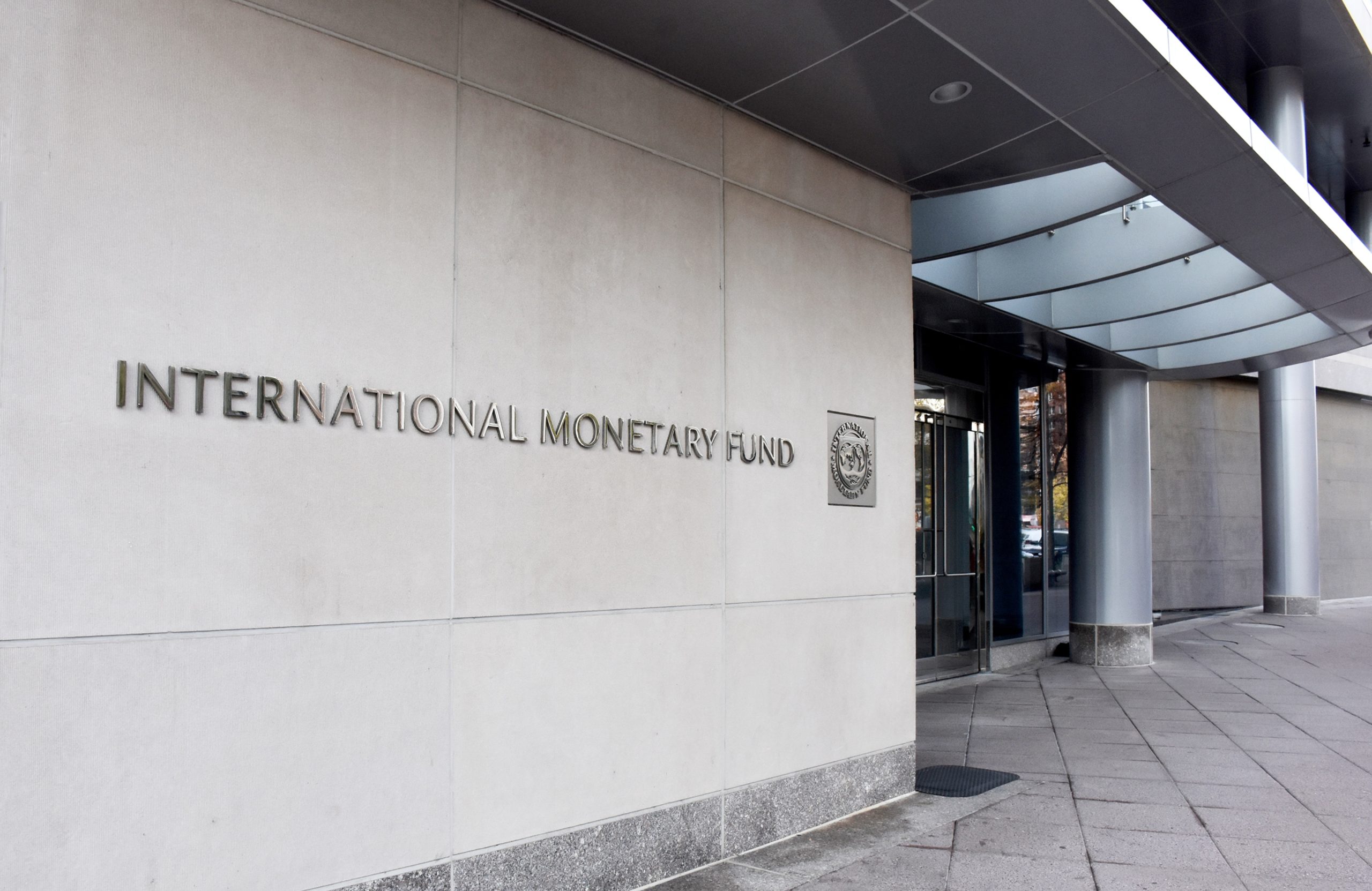
The International Monetary Fund (IMF) has warned that global financial markets may be underestimating risks despite their apparent resilience, identifying a potential slowdown in artificial intelligence investment, rising government bond yields and cyberattacks as possible triggers for market disruption. In its October 2026 Global Financial Stability Report, the Fund cautioned that these risks could become systemic if they interact with existing vulnerabilities, including high debt, leverage and concentrated financial exposures.
AI Investment Raises Questions About Valuations and Leverage
The AI boom has supported investment, corporate earnings expectations and market sentiment, helping offset some of the economic pressures associated with geopolitical uncertainty. However, the IMF sees a growing risk that the financial commitments surrounding AI could exceed the returns ultimately generated by the technology. If AI capabilities develop with less capital investment than expected, or the productivity and revenue gains disappoint, investors may reassess the valuations of companies closely linked to the sector.
The concern extends beyond technology stocks. Hyperscale technology companies now represent approximately 10% of global investment-grade bond issuance, compared with less than 1% in 2024. This growing role in credit markets means that a reversal in investor sentiment could affect both equity and debt valuations. The IMF also warned that leverage, including through derivatives and margin loans, could intensify a downturn if falling asset prices force investors to sell holdings to meet financing obligations. Such selling could increase volatility and spread pressure across otherwise unrelated markets.
Rising Government Bond Yields Add Pressure
Sovereign debt markets present a second major source of concern. Higher energy prices are adding to inflationary pressures, potentially requiring central banks to maintain restrictive monetary policies or raise interest rates further. At the same time, elevated government borrowing requirements and persistent fiscal deficits are increasing the sensitivity of bond markets to changes in investor demand.
Higher yields raise borrowing costs for governments and can make debt refinancing more expensive, particularly for countries that rely heavily on short-term funding. They can also reduce the relative attractiveness of equities and other risk assets by increasing the return available on government securities. If investors demand greater compensation for holding sovereign debt, yields could rise sharply, tightening financial conditions across the global economy.
Bond markets have so far absorbed the pressure without major disruption. Nevertheless, the IMF has called for governments to place public debt on a more sustainable path and warned that weaker liquidity could amplify future market movements.
Cybersecurity and Banking Vulnerabilities Remain in Focus
Cybersecurity represents another potential catalyst for instability as financial institutions become increasingly dependent on a limited number of technology providers. In more than 70% of cases examined in 2026, software providers reportedly had almost no time to patch vulnerabilities before they were exploited, an increase of 20 percentage points from a year earlier. Artificial intelligence may strengthen cyber defenses, but it can also make attacks more sophisticated.
The IMF’s stress tests found that banking systems retained substantial resilience under a hypothetical downturn involving weaker AI investment and fragile bond markets. However, banks representing 22% of global banking assets showed weak capital levels under the adverse scenario, up from 18% in the 2025 test. The findings point to uneven resilience rather than an imminent banking crisis.
Investors and policymakers will be watching AI spending and profitability, sovereign bond auctions, inflation data and financial institutions’ exposure to leveraged positions. For international markets, including Israel’s, changes in global yields and risk appetite can influence financing conditions, currency movements and capital flows. The central question is whether markets can absorb a reassessment of AI valuations or higher borrowing costs without those pressures reinforcing one another.
Comparison, examination, and analysis between investment houses
Leave your details, and an expert from our team will get back to you as soon as possible
* This article, in whole or in part, does not contain any promise of investment returns, nor does it constitute professional advice to make investments in any particular field.
To read more about the full disclaimer, click here
- Lior mor
- •
- 7 Min Read
- •
- ago 11 minutes
SKN | IMF Raises 2026 Global Growth Forecast to 3.1% but Warns of AI Risks and Rising Debt
IMF Upgrades Global Outlook Despite Economic Headwinds The International Monetary Fund has modestly improved its outlook for the global economy,
- ago 11 minutes
- •
- 7 Min Read

IMF Upgrades Global Outlook Despite Economic Headwinds The International Monetary Fund has modestly improved its outlook for the global economy,

- omer bar
- •
- 6 Min Read
- •
- ago 7 hours
SKN | Nasdaq Falls as Oil Surges Ahead of Earnings and Key Economic Data
U.S. stocks ended mixed on Monday as technology shares came under pressure while oil prices rallied following attacks on
- ago 7 hours
- •
- 6 Min Read

U.S. stocks ended mixed on Monday as technology shares came under pressure while oil prices rallied following attacks on

- Ronny Mor
- •
- 6 Min Read
- •
- ago 7 hours
SKN | IMF Says AI Investment Supports Global Growth While Threatening Major Labor-Market Disruption
Strong investment in artificial intelligence infrastructure is helping sustain global economic growth at around 3%, while simultaneously creating the
- ago 7 hours
- •
- 6 Min Read
Strong investment in artificial intelligence infrastructure is helping sustain global economic growth at around 3%, while simultaneously creating the
- Ronny Mor
- •
- 6 Min Read
- •
- ago 20 hours
SKN | IMF Says AI Investment Is Supporting 3% Global Growth as Asia Benefits From the Infrastructure Boom
AI Infrastructure Investment Helps Sustain Global Growth Artificial intelligence investment is becoming an increasingly important driver of global economic activity,
- ago 20 hours
- •
- 6 Min Read
AI Infrastructure Investment Helps Sustain Global Growth Artificial intelligence investment is becoming an increasingly important driver of global economic activity,
