




- Ronny Mor
- •
- 7 Min Read
- •
- 1 hour ago


Key Points
- Fed officials discussed market-stress preparedness: Minutes from the September meeting showed that several participants favored strengthening the central bank's strategy and tools for responding to potential Treasury-market dysfunction.
- Bond yields have risen sharply: Higher government borrowing costs have affected mortgage rates and other financing costs while raising concerns about markets amid large federal deficits and persistent inflation risks.
- The Fed faces a balance-sheet dilemma: Officials are considering how to respond to market disruptions without expanding the central bank's footprint in Treasury markets or reversing efforts to maintain a smaller balance sheet.
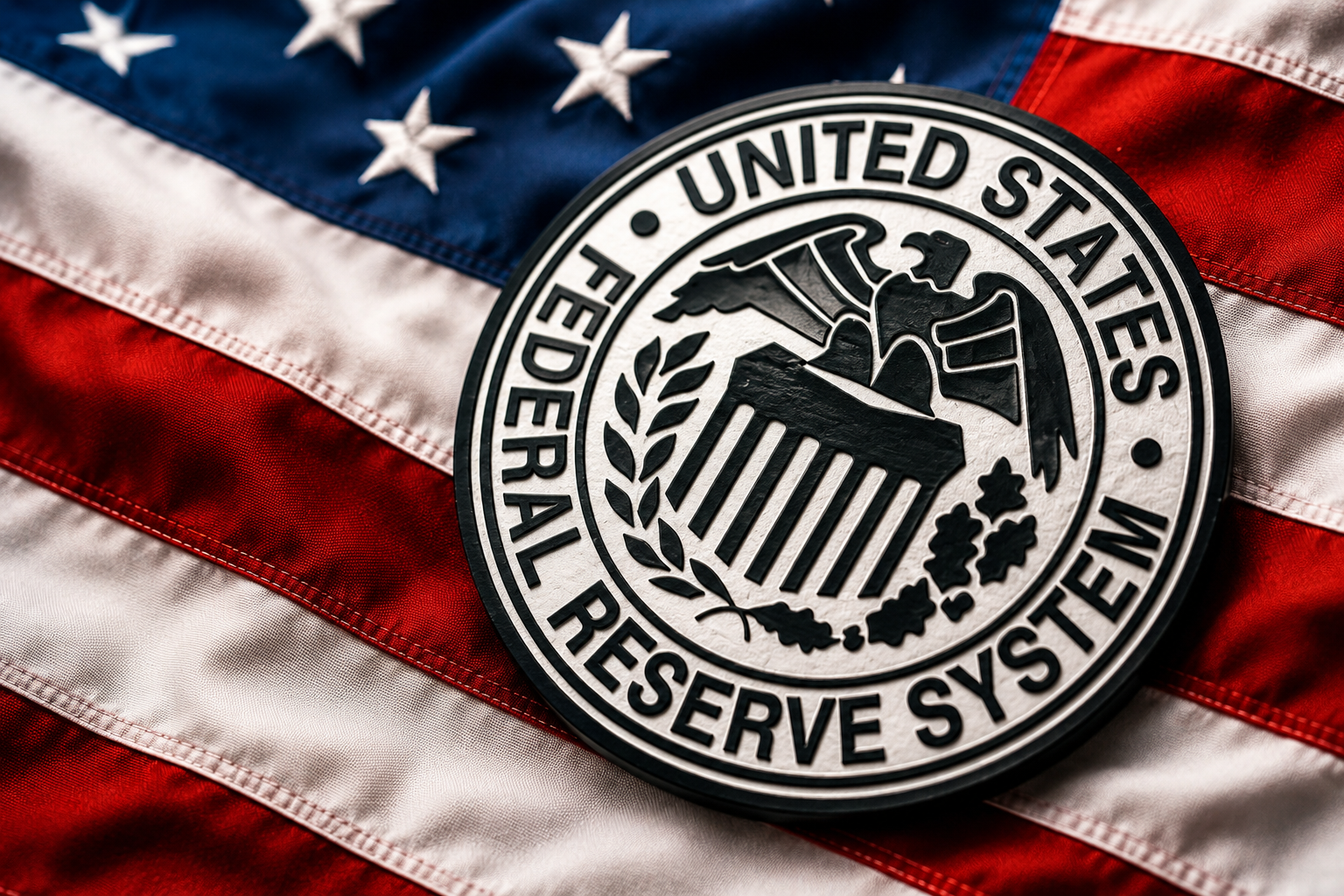
Fed Minutes Highlight Concern Over Treasury-Market Stress
Federal Reserve officials are preparing for the possibility of renewed stress in Treasury markets even as they currently view market functioning as broadly stable. Minutes from the September 15-16 Federal Open Market Committee meeting showed that several participants discussed the importance of having a stronger framework in place should market dysfunction emerge.
The officials noted that Treasury markets had been functioning smoothly but argued that the Federal Reserve should strengthen its strategy, communications and available tools for dealing with potential disruption. At the same time, they emphasized limiting the central bank’s footprint in the Treasury market.
Rising Yields Complicate the Policy Environment
The discussion comes after a sharp increase in government bond yields. The rise has pushed borrowing costs higher across the economy, including mortgage rates, while creating concerns about how financial markets would respond if yields continued climbing rapidly.
Fed officials have attributed the increase in yields to several factors, including a solid economic outlook, strong technology investment that is competing for available capital and geopolitical concerns. However, the speed of the move has also raised questions about market stability at a time when large government deficits and inflation uncertainty remain important considerations.
Balance Sheet Creates a Difficult Policy Trade-Off
The Fed’s response to any significant market disruption would also have implications for its balance sheet. During major periods of stress, including the early stages of the COVID-19 pandemic, the central bank purchased large amounts of Treasury and mortgage debt. Those purchases expanded the Fed’s balance sheet and subsequently became part of broader monetary stimulus.
The current policy direction presents a different objective. Fed Chairman Kevin Warsh is opposed to maintaining large central-bank holdings and has established a task force to examine ways of reducing the balance sheet. That creates a potential tension between maintaining a smaller footprint and having sufficient capacity to respond if Treasury-market conditions deteriorate.
Liquidity Tools Could Come Before Bond Purchases
Analysts cited in the source interpret the minutes as suggesting that the Fed would not necessarily intervene simply because Treasury yields rise quickly. Derek Tang of Monetary Policy Analytics said the central bank could instead prioritize tools such as standing repo operations and the discount window if market conditions become unsettled.
Both mechanisms are already in place and can provide liquidity when financial-market conditions require it. Separately, TD Securities’ Gennadiy Goldberg suggested that the discussion could relate to Treasury-bill purchases intended to maintain adequate reserve levels, potentially paving the way for modest Reserve Management Purchases before the end of the year.
Officials Differ on the Need for Intervention
The minutes also need to be viewed alongside differing assessments from Fed officials. Minneapolis Fed President Neel Kashkari said recently that he saw no financial-stability risk requiring central-bank intervention, arguing that the Treasury market appeared to be functioning properly.
The contrast illustrates the distinction between preparing for potential disruption and determining that intervention is currently necessary. The Fed can strengthen its contingency plans while continuing to view existing market conditions as orderly.
What Investors Should Watch Next
The trajectory of Treasury yields will remain central to the debate over the Fed’s balance-sheet strategy and financial-market liquidity. Investors should watch for signs of deteriorating market depth, wider funding pressures or disruptions in Treasury trading, as well as any changes in the use of repo facilities or reserve-management purchases. At the same time, persistent inflation and large federal deficits could keep long-term yields elevated, making the Fed’s effort to balance market stability with a smaller balance sheet increasingly important.
Comparison, examination, and analysis between investment houses
Leave your details, and an expert from our team will get back to you as soon as possible
* This article, in whole or in part, does not contain any promise of investment returns, nor does it constitute professional advice to make investments in any particular field.
To read more about the full disclaimer, click here
- omer bar
- •
- 7 Min Read
- •
- ago 2 hours
SKN | Fed Minutes Reveal Sharp Divide Over the Logic Behind September Rate Hike
Federal Reserve policymakers were united in September on the decision to raise interest rates but divided over what the
- ago 2 hours
- •
- 7 Min Read
Federal Reserve policymakers were united in September on the decision to raise interest rates but divided over what the

- sagi habasov
- •
- 6 Min Read
- •
- ago 1 day
SKN | Euro Rebounds as Falling French Bond Yields Ease Euro Zone Debt Fears
The euro rebounded on Tuesday after falling to its lowest level in 17 months, as declining French government bond
- ago 1 day
- •
- 6 Min Read

The euro rebounded on Tuesday after falling to its lowest level in 17 months, as declining French government bond

- Arik Arkadi Sluzki
- •
- 7 Min Read
- •
- ago 1 day
SKN | Fed’s Daly Says Further Rate Hikes Depend on How Inflation Shocks Evolve
Federal Reserve policymaker Mary Daly said the need for additional interest-rate hikes will depend heavily on whether the inflationary
- ago 1 day
- •
- 7 Min Read
Federal Reserve policymaker Mary Daly said the need for additional interest-rate hikes will depend heavily on whether the inflationary

- Lior mor
- •
- 6 Min Read
- •
- ago 1 day
SKN | Slower Money Fund Inflows Put Pressure on Short-Term U.S. Treasury Yields
Slowing investor cash flows into U.S. money-market funds are creating a new source of pressure in the short-term Treasury
- ago 1 day
- •
- 6 Min Read

Slowing investor cash flows into U.S. money-market funds are creating a new source of pressure in the short-term Treasury
