




- Ronny Mor
- •
- 6 Min Read
- •
- 4 hours ago


Key Points
- Brent crude fell 4 cents to $100.28 a barrel, while WTI declined 11 cents, or 0.1%, to $89.33.
- Resilient Middle East exports and a planned G7 release of 100 million barrels from emergency reserves are easing immediate supply concerns.
- Attacks on Saudi targets and continued risks around the Strait of Hormuz are keeping a significant geopolitical premium in oil prices.
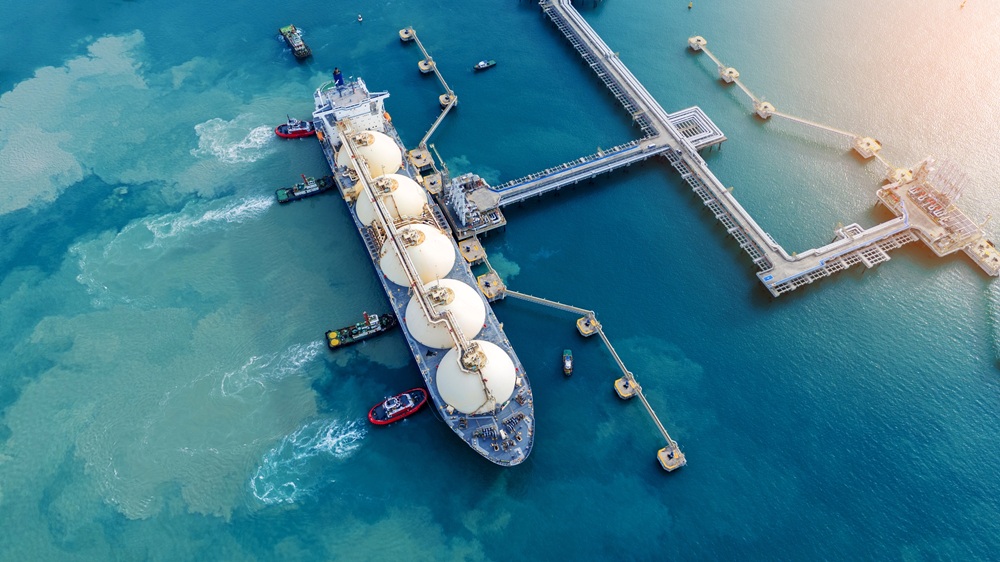
Oil prices edged lower on Tuesday as traders balanced stronger Middle East crude exports and additional emergency supplies against renewed security risks in the Gulf. The limited price move reflects a market caught between improving physical supply flows and persistent geopolitical uncertainty, with Brent remaining around the $100-a-barrel level.
Supply Flows Are Easing Immediate Pressure
Brent crude futures fell 4 cents to $100.28 a barrel, while U.S. West Texas Intermediate crude declined 11 cents, or 0.1%, to $89.33. The relatively modest moves suggest that traders are becoming somewhat less concerned about an immediate disruption to regional crude supplies.
Middle Eastern exports have shown considerable resilience despite the continuing conflict and security risks affecting shipping routes. Export volumes exceeded pre-conflict levels on several days during the final week of September, indicating that producers have adapted logistics and alternative transportation routes to maintain shipments. That resilience is helping prevent a sharper supply-driven rally in crude prices.
G7 Reserve Release Adds Another Supply Buffer
Another factor weighing on prices is the Group of Seven’s plan to release 100 million barrels from emergency oil reserves. The move is intended to provide additional supply to global markets and reduce the impact of disruptions affecting crude and refined petroleum products.
For oil traders, the reserve release provides an additional buffer at a time when physical markets remain vulnerable to unexpected interruptions. However, emergency stockpiles can only provide temporary relief. The longer-term balance will continue to depend on actual production, export flows, refinery capacity and the ability of tankers to move through strategically important shipping routes.
Gulf Tensions Keep the Risk Premium Elevated
Despite improving exports, geopolitical risks remain significant. Attacks by Yemen’s Houthi forces on Saudi targets, including energy infrastructure, have renewed concerns over the security of supplies from Saudi Arabia, one of the world’s largest oil exporters. Continued threats around the Strait of Hormuz are also keeping traders alert to the possibility of disruptions to one of the most important energy corridors in the global economy.
The conflicting signals explain why oil prices have remained elevated even as regional exports recover. Supply is flowing, but transporting crude has become more complicated and costly, while any major attack on production or shipping infrastructure could quickly change the market balance. The situation also has broader implications for inflation, transportation costs and monetary policy if elevated energy prices persist.
Going forward, traders will focus on Middle East export volumes, the security of shipping through the Gulf, the implementation of the G7 reserve release and developments in U.S.-Iran diplomatic efforts. A sustained improvement in regional logistics could put further downward pressure on crude, while a major disruption to Saudi production or Gulf shipping could quickly push prices higher and revive concerns about global inflation.
Comparison, examination, and analysis between investment houses
Leave your details, and an expert from our team will get back to you as soon as possible
* This article, in whole or in part, does not contain any promise of investment returns, nor does it constitute professional advice to make investments in any particular field.
To read more about the full disclaimer, click here
- sagi habasov
- •
- 7 Min Read
- •
- ago 9 hours
SKN | Oil Market Turmoil Could Persist for Years as Supply Rebuilding Takes Time
Global oil-market disruptions could persist well beyond 2026 as shipping bottlenecks, reduced refinery output and depleted inventories create a
- ago 9 hours
- •
- 7 Min Read

Global oil-market disruptions could persist well beyond 2026 as shipping bottlenecks, reduced refinery output and depleted inventories create a

- Lior mor
- •
- 6 Min Read
- •
- ago 9 hours
SKN | Oil Prices Slip as Middle East Exports Rise and G7 Moves to Boost Supply
Oil prices fell by roughly $2 a barrel on Monday as rising Middle Eastern crude exports and a pledge
- ago 9 hours
- •
- 6 Min Read

Oil prices fell by roughly $2 a barrel on Monday as rising Middle Eastern crude exports and a pledge

- omer bar
- •
- 6 Min Read
- •
- ago 1 day
SKN | OPEC+ Keeps November Oil Output Steady as Crude Stays Above $100
OPEC+ has decided to keep its oil production targets unchanged for November, signaling that the group sees limited room for
- ago 1 day
- •
- 6 Min Read
OPEC+ has decided to keep its oil production targets unchanged for November, signaling that the group sees limited room for
- sagi habasov
- •
- 7 Min Read
- •
- ago 1 day
SKN | Oil Prices Fall as Middle East Exports Recover and G7 Releases Reserves
Oil prices declined on Monday as recovering crude exports from the Middle East and a coordinated release of emergency reserves
- ago 1 day
- •
- 7 Min Read
Oil prices declined on Monday as recovering crude exports from the Middle East and a coordinated release of emergency reserves
