




- omer bar
- •
- 6 Min Read
- •
- 8 hours ago


Key Points
- The iShares Bitcoin Trust ETF (IBIT) provides exchange-traded exposure to Bitcoin without requiring investors to hold or custody the cryptocurrency directly.
- As of September 25, 2026, the fund had approximately $67.1 billion in net assets and charged a 0.25% sponsor fee.
- Bitcoin price volatility, institutional fund flows, U.S. Treasury yields and Federal Reserve policy remain important influences on the ETF’s performance.
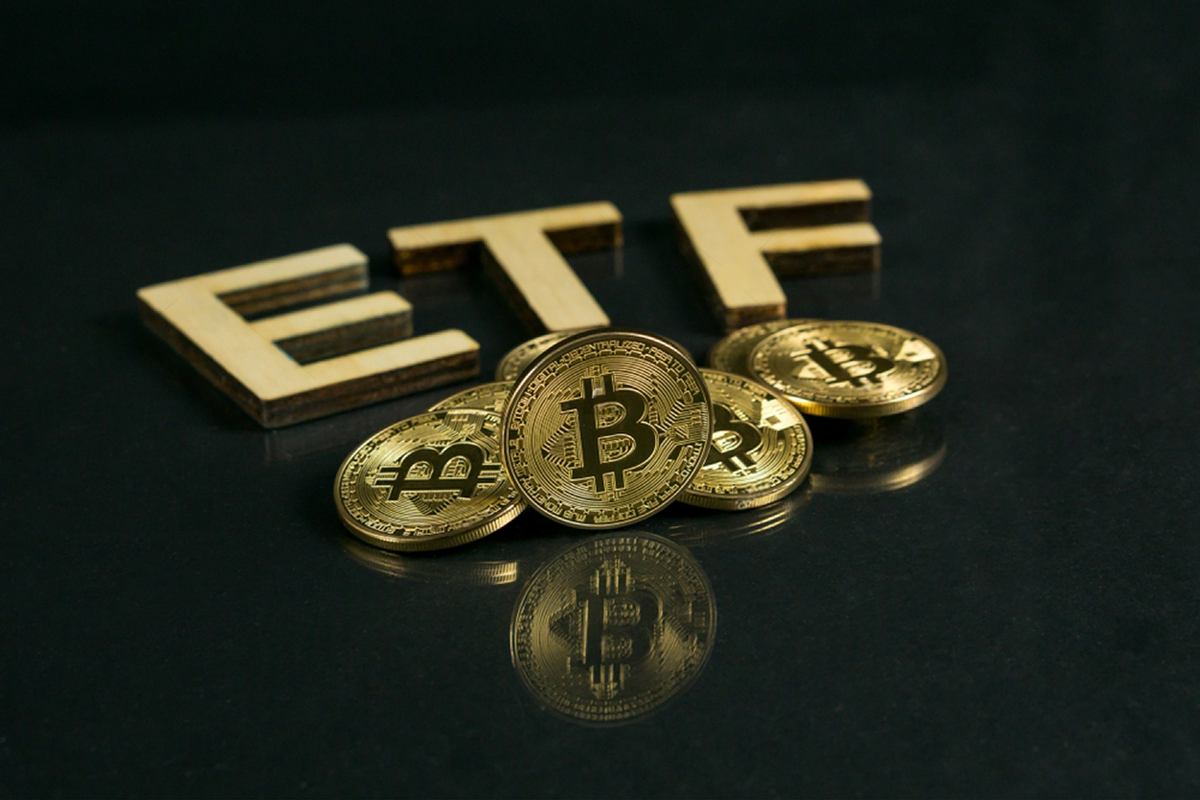
Spot Bitcoin ETFs have created a channel through which investors can gain exposure to cryptocurrency prices using familiar brokerage accounts and exchange-traded products. The iShares Bitcoin Trust ETF (IBIT), managed by BlackRock, has become a major vehicle in this market, linking demand for Bitcoin exposure with broader shifts in institutional participation, interest rates and risk appetite.
A Regulated Trading Structure for Bitcoin Exposure
Launched on January 5, 2024, IBIT trades on Nasdaq and seeks to reflect the price performance of Bitcoin. Rather than requiring investors to manage private keys, digital wallets or direct cryptocurrency custody, the trust offers exposure through shares traded on a traditional exchange. Its sponsor fee is 0.25%, although investors may also face brokerage costs and other transaction-related expenses.
The structure simplifies access but does not eliminate Bitcoin’s underlying risks. The trust is not registered as an investment company under the U.S. Investment Company Act of 1940 and therefore does not operate under the same regulatory framework as conventional registered mutual funds and ETFs. Its performance remains closely tied to Bitcoin, rather than to a diversified portfolio of income-producing assets.
Fund Size Reflects the Scale of Investor Participation
BlackRock reported net assets of approximately $67.1 billion as of September 25, 2026. The fund’s net asset value stood at $47.54, while its closing market price was $47.57. Its reported daily trading volume exceeded 37.6 million shares, and its 30-day median bid-ask spread was 0.02%, reflecting substantial trading activity and relatively narrow spreads during the measured period.
These figures illustrate the scale of the investment channel, but assets under management and trading volume do not indicate future returns. The ETF’s value can rise or fall sharply with Bitcoin, and its market price may differ slightly from the value of its underlying holdings. Changes in investor demand can also affect fund flows independently of movements in the cryptocurrency itself.
Interest Rates and Bitcoin Volatility Remain Key Drivers
Bitcoin’s performance is influenced by several forces, including institutional demand, liquidity conditions, regulatory developments and investor sentiment. Higher U.S. Treasury yields can make interest-bearing assets more attractive relative to Bitcoin, which does not generate interest or dividends. Expectations surrounding Federal Reserve policy can therefore influence both cryptocurrency prices and demand for related investment products.
Recent market activity has illustrated this sensitivity. In late September, Bitcoin experienced a pullback as rising bond yields weighed on sentiment, even after a strong quarterly advance. Such moves demonstrate why short-term ETF performance can change quickly despite continued institutional participation.
Looking ahead, investors will be watching Bitcoin’s price stability, spot ETF inflows and outflows, Treasury yields, Federal Reserve decisions and regulatory developments. For Israeli investors, fluctuations in the dollar-shekel exchange rate can further affect returns measured in shekels. IBIT offers a familiar exchange-traded route to Bitcoin exposure, but its performance remains dependent on a volatile underlying asset and the broader financial conditions shaping demand for digital assets.
Comparison, examination, and analysis between investment houses
Leave your details, and an expert from our team will get back to you as soon as possible
* This article, in whole or in part, does not contain any promise of investment returns, nor does it constitute professional advice to make investments in any particular field.
To read more about the full disclaimer, click here
- Ronny Mor
- •
- 7 Min Read
- •
- ago 25 minutes
SKN | Treasury and IRS Target ETF Tax Strategies Used by Wealthy Investors
Regulators Focus on Tax Deferral Strategies Among High-Net-Worth Investors The Treasury Department and IRS have issued new warnings aimed at
- ago 25 minutes
- •
- 7 Min Read

Regulators Focus on Tax Deferral Strategies Among High-Net-Worth Investors The Treasury Department and IRS have issued new warnings aimed at
- Ronny Mor
- •
- 6 Min Read
- •
- ago 1 day
SKN | AI Memory Demand Takes Center Stage: What Does the Roundhill Memory ETF Offer?
Memory chips have become an increasingly important bottleneck in the global buildout of artificial intelligence infrastructure, putting companies exposed to
- ago 1 day
- •
- 6 Min Read

Memory chips have become an increasingly important bottleneck in the global buildout of artificial intelligence infrastructure, putting companies exposed to

- sagi habasov
- •
- 6 Min Read
- •
- ago 2 days
SKN | Semiconductor Volatility Returns to Focus: What Does It Mean for SOXS?
Semiconductor stocks remain a major driver of global technology markets as investors reassess artificial intelligence spending, valuations, interest rates and
- ago 2 days
- •
- 6 Min Read

Semiconductor stocks remain a major driver of global technology markets as investors reassess artificial intelligence spending, valuations, interest rates and

- omer bar
- •
- 6 Min Read
- •
- ago 3 days
SKN | Bitcoin ETF Enters a Volatile Phase as Crypto Markets Reassess the Macro Outlook
Bitcoin is entering the final days of September 2026 in a more challenging macroeconomic environment, with rising Treasury yields and
- ago 3 days
- •
- 6 Min Read

Bitcoin is entering the final days of September 2026 in a more challenging macroeconomic environment, with rising Treasury yields and
