





- omer bar
- •
- 6 Min Read
- •
- 13 minutes ago


Key Points
- ProShares Bitcoin ETF, traded under the ticker BITO, provides bitcoin exposure primarily through futures contracts and related instruments rather than direct ownership of bitcoin.
- BITO recorded a 24.96% market-price gain in August 2026, but remained down 11.81% year to date through August 31.
- The fund had approximately $1.71 billion in net assets and a 0.95% expense ratio as of September 22, while bitcoin remained sensitive to interest rates, liquidity and broader risk appetite.
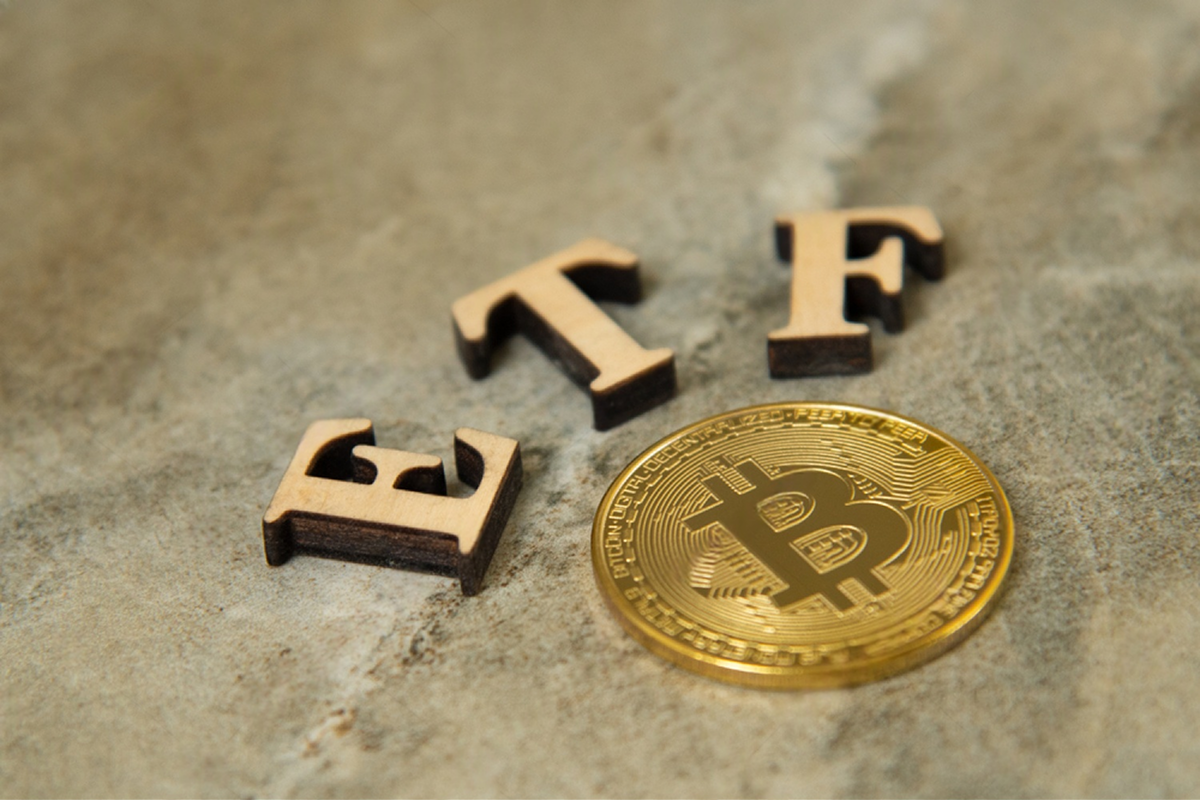
Bitcoin is entering the final days of September 2026 in a more challenging macroeconomic environment, with rising Treasury yields and renewed concerns about inflation putting pressure on non-yielding assets. For investors tracking ProShares Bitcoin ETF, the recent market action highlights both the potential for sharp rebounds in crypto assets and the importance of understanding how a futures-based ETF behaves relative to the underlying bitcoin market.
BITO Offers Regulated Bitcoin Exposure Through Futures
BITO began trading on October 18, 2021, and was the first U.S. ETF designed to provide investors with bitcoin exposure through futures. Rather than holding bitcoin directly, the fund primarily uses bitcoin futures traded on regulated exchanges, alongside related instruments and cash-management assets.
As of September 22, BITO had approximately $1.71 billion in net assets and an expense ratio of 0.95%. The ETF also offers options, while its distributions are made monthly. This structure gives investors access to bitcoin-related price movements through a conventional brokerage account, but its returns can differ from the spot price of bitcoin because of futures-market conditions, rolling contracts and other portfolio effects.
A Sharp Rebound Follows a Difficult 2026
BITO’s performance illustrates the magnitude of volatility in the bitcoin market. Through August 31, the ETF gained 24.96% during the month, while its three-month return reached 6.55%. Over six months, the market-price return was 18.26%. However, the fund remained down 11.81% year to date and 29.52% over the previous 12 months.
The contrasting figures show why short-term rebounds do not necessarily erase longer periods of weakness. Bitcoin’s sensitivity to liquidity conditions and investor risk appetite can produce large movements over relatively short periods. For BITO, the impact is further shaped by the futures contracts used to obtain exposure rather than by direct ownership of the underlying asset.
Macro Conditions Remain Critical for Bitcoin
The broader market environment has become an important variable for crypto assets. Bitcoin recently traded near $83,000 as rising Treasury yields and a stronger dollar pressured non-yielding assets. At the same time, U.S. spot Bitcoin ETFs attracted approximately $2.39 billion in inflows during the previous week, indicating that institutional and professional-market demand has remained active even as macroeconomic conditions have become more difficult.
For BITO, the interaction between bitcoin prices and the futures curve will remain important. The fund can also generate monthly distributions, but those distributions may fluctuate considerably and should not be viewed independently from the fund’s overall performance.
Looking ahead, bitcoin’s direction will remain closely linked to U.S. economic data, Federal Reserve policy, Treasury yields, dollar movements and liquidity conditions. Investors monitoring BITO will also need to follow futures pricing, contract rolls, fund flows and the difference between bitcoin’s spot performance and the ETF’s total return. For Israeli investors, movements in the dollar-shekel exchange rate add another layer to the return generated by a dollar-denominated U.S. ETF.
Comparison, examination, and analysis between investment houses
Leave your details, and an expert from our team will get back to you as soon as possible
* This article, in whole or in part, does not contain any promise of investment returns, nor does it constitute professional advice to make investments in any particular field.
To read more about the full disclaimer, click here
- omer bar
- •
- 6 Min Read
- •
- ago 22 hours
SKN | Gold Returns to Center Stage: What Is Driving SPDR Gold Shares in a Volatile Market?
Gold entered the final part of the third quarter of 2026 after a significant rally, but volatility has also increased
- ago 22 hours
- •
- 6 Min Read

Gold entered the final part of the third quarter of 2026 after a significant rally, but volatility has also increased
- omer bar
- •
- 6 Min Read
- •
- ago 4 days
SKN | Meta’s AI Rally Puts 2X-Leveraged ETF METU Back in Focus
The renewed strength in Meta Platforms shares has brought leveraged exposure back into focus as investors reassess the potential economic
- ago 4 days
- •
- 6 Min Read

The renewed strength in Meta Platforms shares has brought leveraged exposure back into focus as investors reassess the potential economic

- sagi habasov
- •
- 6 Min Read
- •
- ago 5 days
SKN | Can a 3X Bear ETF Benefit From a Semiconductor Downturn?
Semiconductor stocks remain closely tied to global AI investment, data-center spending and expectations for technology earnings, leaving the sector highly
- ago 5 days
- •
- 6 Min Read

Semiconductor stocks remain closely tied to global AI investment, data-center spending and expectations for technology earnings, leaving the sector highly
- sagi habasov
- •
- 5 Min Read
- •
- ago 6 days
SKN | Can Tactical Country Rotation Keep Outperforming Global Markets?
As global equity leadership continues to shift between regions, active country allocation has become an alternative to maintaining a fixed
- ago 6 days
- •
- 5 Min Read

As global equity leadership continues to shift between regions, active country allocation has become an alternative to maintaining a fixed

