




- omer bar
- •
- 7 Min Read
- •
- 2 hours ago


Key Points
- ECB board member Isabel Schnabel said future rate decisions will depend on inflation expectations, economic demand and global borrowing costs.
- The European Central Bank has already raised rates twice this year after an energy price surge pushed inflation significantly above its 2% target.
- Markets expect additional tightening, but the ECB is monitoring whether higher energy costs will become embedded in wages and consumer price expectations.
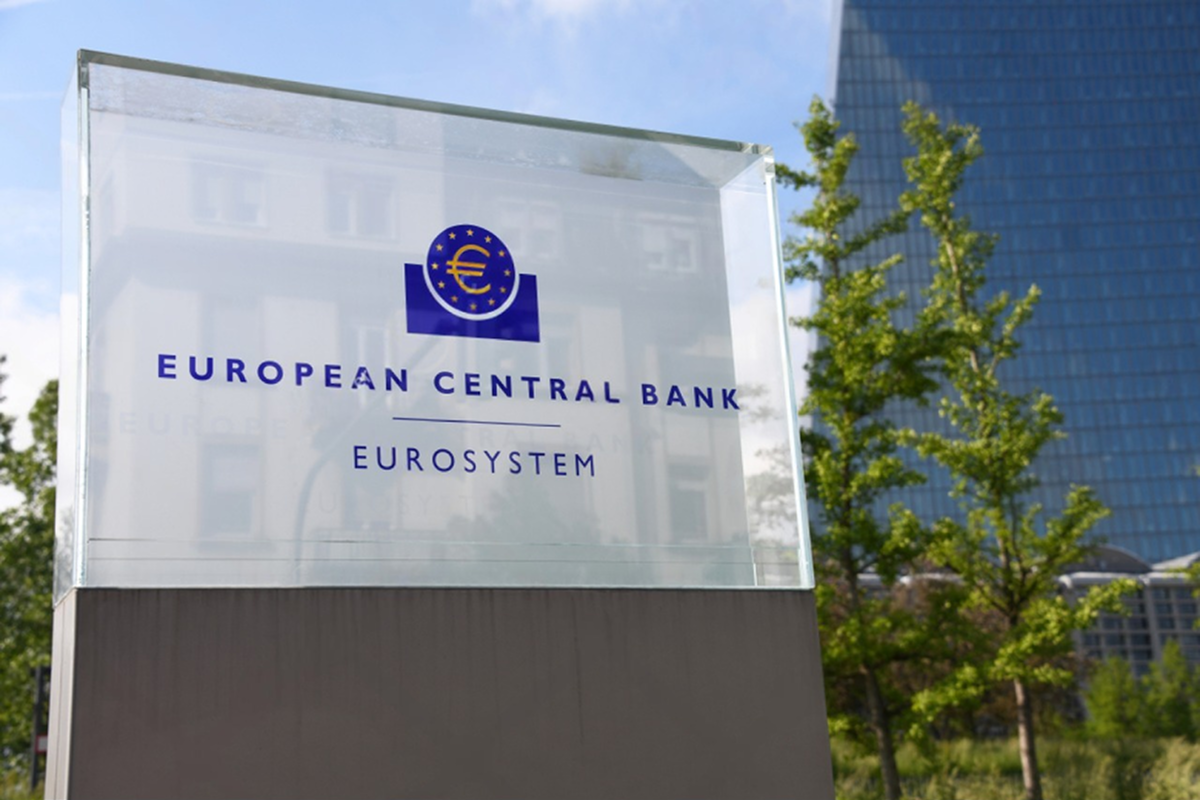
The European Central Bank is assessing whether further interest-rate increases will be required as policymakers balance persistent energy-driven inflation pressures against signs that higher borrowing costs may eventually weaken economic activity. ECB Executive Board member Isabel Schnabel said the central bank must closely monitor domestic and global factors that could either intensify or reduce future price pressures.
Inflation Expectations Remain the ECB’s Main Focus
Schnabel highlighted inflation expectations as one of the most important factors influencing future monetary policy decisions. Rising energy prices have pushed inflation higher, raising concerns that households and businesses could adjust their own pricing and wage expectations in response to repeated periods of elevated inflation.
However, Schnabel noted that most measures of longer-term inflation expectations remain close to the ECB’s 2% inflation target. She said this reflects, in part, the credibility of monetary policy and the central bank’s previous rate increases.
According to Schnabel, if inflation expectations remain firmly anchored and supported by a record of returning inflation toward target, the ECB may have greater flexibility in allowing inflation to decline gradually rather than responding with immediate additional tightening.
Economic Demand Could Determine the Need for More Rate Hikes
A second factor identified by Schnabel is the strength of economic demand. Higher costs are generally easier for companies to pass on to consumers when economic activity remains resilient, potentially prolonging inflationary pressures.
The ECB has already increased interest rates twice this year following a sharp rise in energy prices. Markets are currently pricing the possibility of up to four additional rate increases over the next year, as investors assess whether higher energy costs could spread into broader inflation trends.
At the same time, Schnabel emphasized that the central bank must evaluate incoming economic data carefully. Stronger-than-expected demand could support additional tightening, while weaker growth could reduce the need for further policy action.
Global Bond Yields Add Another Layer of Uncertainty
The third factor highlighted by Schnabel is the impact of rising global borrowing costs, particularly the increase in US Treasury yields. Higher global yields can tighten financial conditions and influence economic activity beyond domestic monetary policy decisions.
Schnabel said some economic models suggest that the recent increase in borrowing costs could weigh on growth more significantly than currently expected by the ECB. If that occurs, inflationary pressures could weaken over the medium term.
However, she also noted that strong credit conditions indicate that current interest rates may not yet be sufficiently restrictive. The level at which monetary policy becomes meaningfully restrictive could be higher than previously estimated, depending on how businesses and households respond.
ECB Policy Outlook Remains Data Dependent
For investors in Israel and global markets, the ECB’s next moves will depend on the interaction between inflation expectations, consumer demand and global financial conditions. Energy prices remain a major variable, particularly because renewed increases could influence inflation psychology and business pricing decisions.
Markets will continue monitoring wage trends, inflation expectations, economic growth indicators and bond-market developments for signals about the ECB’s policy direction. The central bank’s challenge will be maintaining control over inflation while avoiding unnecessary pressure on economic activity as financial conditions continue to evolve.
Comparison, examination, and analysis between investment houses
Leave your details, and an expert from our team will get back to you as soon as possible
* This article, in whole or in part, does not contain any promise of investment returns, nor does it constitute professional advice to make investments in any particular field.
To read more about the full disclaimer, click here
- sagi habasov
- •
- 6 Min Read
- •
- ago 3 hours
SKN | S&P 500 and Nasdaq Rise as Cooler Inflation Eases Fed Rate Hike Expectations
US stocks advanced on Wednesday as a cooler-than-expected inflation reading eased concerns that the Federal Reserve could raise interest
- ago 3 hours
- •
- 6 Min Read

US stocks advanced on Wednesday as a cooler-than-expected inflation reading eased concerns that the Federal Reserve could raise interest

- Ronny Mor
- •
- 6 Min Read
- •
- ago 3 hours
SKN | Fed Rate Hike Expectations Fade for October as US Inflation Comes in Below Forecast
Expectations for another Federal Reserve interest-rate increase in October weakened on Wednesday after US inflation data came in below
- ago 3 hours
- •
- 6 Min Read
Expectations for another Federal Reserve interest-rate increase in October weakened on Wednesday after US inflation data came in below

- Arik Arkadi Sluzki
- •
- 6 Min Read
- •
- ago 3 hours
SKN | US Inflation Cools More Than Expected in August, Giving the Fed More Room to Wait
US inflation increased less than expected in August, providing the Federal Reserve with additional room to delay another interest-rate
- ago 3 hours
- •
- 6 Min Read
US inflation increased less than expected in August, providing the Federal Reserve with additional room to delay another interest-rate
- sagi habasov
- •
- 7 Min Read
- •
- ago 4 hours
SKN | U.S. PCE Inflation Cools to 3.4% as Core Measure Holds at 3.0% — Is Fed Rate-Hike Pressure Easing?
Industrial Growth Loses Momentum U.S. industrial production showed no monthly growth in August, according to data released by the Federal
- ago 4 hours
- •
- 7 Min Read
Industrial Growth Loses Momentum U.S. industrial production showed no monthly growth in August, according to data released by the Federal
