




- Lior mor
- •
- 7 Min Read
- •
- 7 seconds ago


Key Points
- Federal Reserve Governor Lisa Cook expects continued inflationary pressure from AI-related demand and higher oil prices in the coming months.
- Cook said future interest-rate adjustments will remain data dependent, without signaling that additional hikes are certain.
- She said the U.S. labor market appears well positioned to withstand higher interest rates, keeping inflation risks central to the Fed’s policy debate.
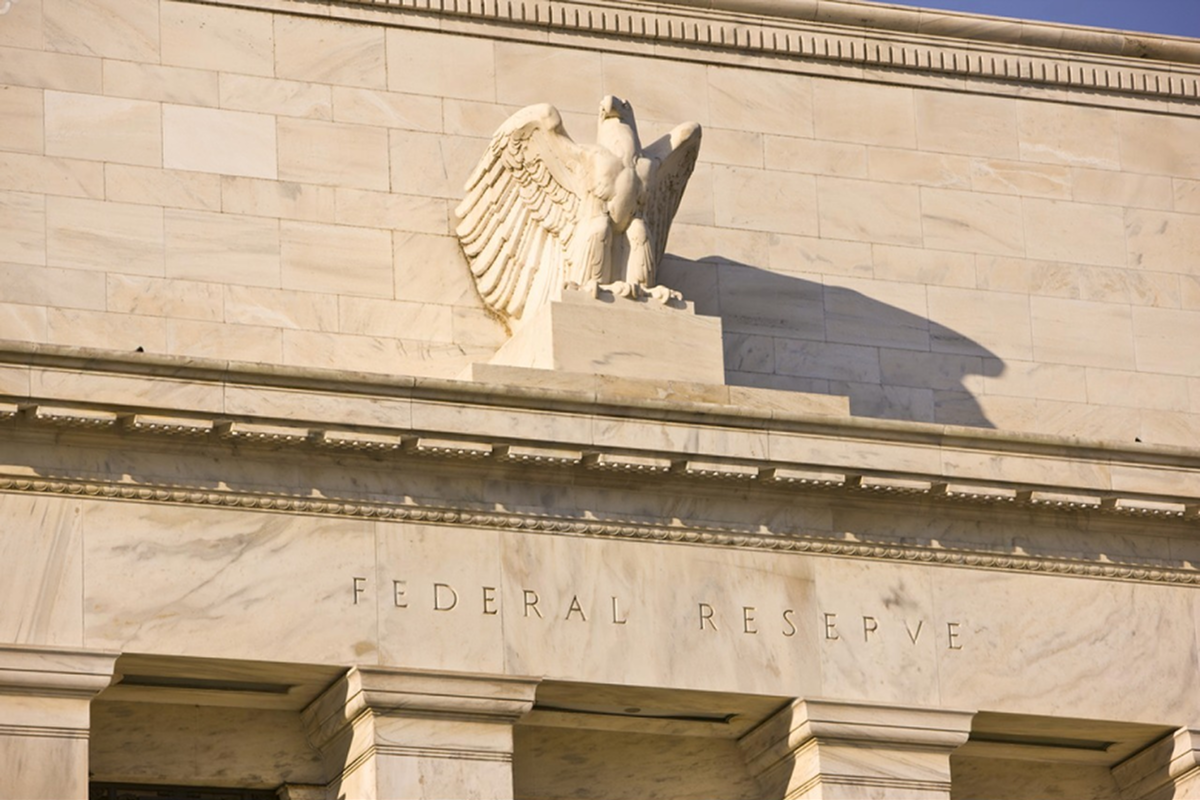
Federal Reserve Governor Lisa Cook said continued demand linked to artificial intelligence and higher oil prices could keep inflationary pressures elevated in the coming months, adding another layer of uncertainty to the U.S. monetary-policy outlook. Her comments come after the Fed recently raised its policy rate to a range of 3.75% to 4%, while officials continue to assess whether inflation is moving sustainably toward the central bank’s 2% target.
AI Investment Adds to Inflation Risks
Speaking at a conference on AI and emerging technology in Oakland, California, Cook highlighted the inflationary implications of the investment boom surrounding artificial intelligence. The Federal Reserve has previously noted that AI-related investment can generate substantial demand for chips, advanced equipment, software, electricity and specialized construction labor, potentially creating price pressures before productivity gains become large enough to offset them.
The scale of the investment cycle makes the issue relevant beyond the technology sector. Federal Reserve research has previously pointed to more than $1.5 trillion in announced data-center plans, with only a portion completed at the time of the analysis. Continued construction and infrastructure spending could therefore support economic activity while simultaneously increasing demand for constrained resources, creating a more complicated environment for monetary policymakers.
Oil Prices Add a Second Inflation Channel
Higher energy prices represent another potential source of persistent inflation. Oil markets have remained sensitive to developments surrounding the conflict involving the United States and Iran, supply disruptions and uncertainty over the future flow of crude through the Middle East. Reuters reported earlier in September that Brent crude was trading near $100 a barrel, while geopolitical uncertainty continued to limit the downside in energy prices.
For the Federal Reserve, sustained energy inflation can complicate the policy path because higher fuel costs can influence transportation, production and consumer prices. Cook’s remarks therefore reinforce the importance of distinguishing temporary price shocks from broader inflation persistence. Other Fed officials have similarly emphasized that inflation risks remain significant, with Richmond Fed President Tom Barkin saying recently that price pressures were not limited to energy or tariff effects.
Rate Decisions Remain Data Dependent
Cook stopped short of indicating that another rate increase is inevitable. Instead, she said future policy would depend on how the economy responds to previous monetary tightening and on incoming inflation and labor-market data. That position leaves the Federal Reserve with flexibility as policymakers evaluate whether current rates are sufficiently restrictive or whether additional action is required to bring inflation back toward target.
Her comments are particularly significant because the labor market currently gives policymakers some room to prioritize price stability. Cook said the labor market appears to be well positioned to handle an increase in rates, suggesting that the employment side of the Fed’s dual mandate may be less of a constraint than it would be during a sharper labor-market deterioration.
Markets Face a More Complicated Policy Outlook
For global markets, the combination of resilient demand, AI investment and elevated energy prices could keep attention focused on U.S. Treasury yields and the dollar. Higher expectations for rates can raise borrowing costs across the global financial system, affecting equities, corporate financing and emerging-market currencies, including markets monitored by Israeli investors with U.S. exposure.
The next stage will depend on incoming inflation, employment, consumer-demand and energy-price data. Cook’s remarks do not establish a predetermined rate path, but they reinforce that the Fed is watching whether new sources of demand and higher energy costs become embedded in broader price pressures. That assessment will remain central to monetary policy and global asset pricing through the remainder of 2026.
Comparison, examination, and analysis between investment houses
Leave your details, and an expert from our team will get back to you as soon as possible
* This article, in whole or in part, does not contain any promise of investment returns, nor does it constitute professional advice to make investments in any particular field.
To read more about the full disclaimer, click here
- omer bar
- •
- 7 Min Read
- •
- ago 46 minutes
SKN | Gold Slides as Treasury Yields Surge and Markets Price Further Fed Rate Hikes
Gold prices came under renewed pressure on September 28 as surging U.S. Treasury yields, a firmer dollar and expectations
- ago 46 minutes
- •
- 7 Min Read

Gold prices came under renewed pressure on September 28 as surging U.S. Treasury yields, a firmer dollar and expectations

- Ronny Mor
- •
- 6 Min Read
- •
- ago 12 hours
SKN | Bessent Pushes Fed to Reconsider Rate Path as AI Could Help Contain Inflation
Treasury Secretary Scott Bessent is pressing the Federal Reserve to keep an open mind on interest rates, arguing that artificial
- ago 12 hours
- •
- 6 Min Read

Treasury Secretary Scott Bessent is pressing the Federal Reserve to keep an open mind on interest rates, arguing that artificial

- Lior mor
- •
- 7 Min Read
- •
- ago 13 hours
SKN | Could Rising Oil Prices and Hawkish Fed Bets Keep the Dollar Strong?
The U.S. dollar remained close to a two-month high Monday as renewed U.S.-Iran tensions pushed oil prices higher and strengthened
- ago 13 hours
- •
- 7 Min Read

The U.S. dollar remained close to a two-month high Monday as renewed U.S.-Iran tensions pushed oil prices higher and strengthened

- sagi habasov
- •
- 6 Min Read
- •
- ago 16 hours
SKN | Japan’s Corporate Services Inflation Hits Two-Year High, Keeping BOJ Rate Hikes in Focus
Japan’s corporate services inflation accelerated to its fastest pace in more than two years in August, adding to evidence that
- ago 16 hours
- •
- 6 Min Read

Japan’s corporate services inflation accelerated to its fastest pace in more than two years in August, adding to evidence that
