




- omer bar
- •
- 7 Min Read
- •
- 2 minutes ago


Key Points
- Spot gold fell as much as 4% on September 28 to around $4,111 an ounce, its lowest level since August 5.
- The decline came as the 10-year U.S. Treasury yield reached its highest level since 2007, increasing the opportunity cost of holding non-yielding bullion.
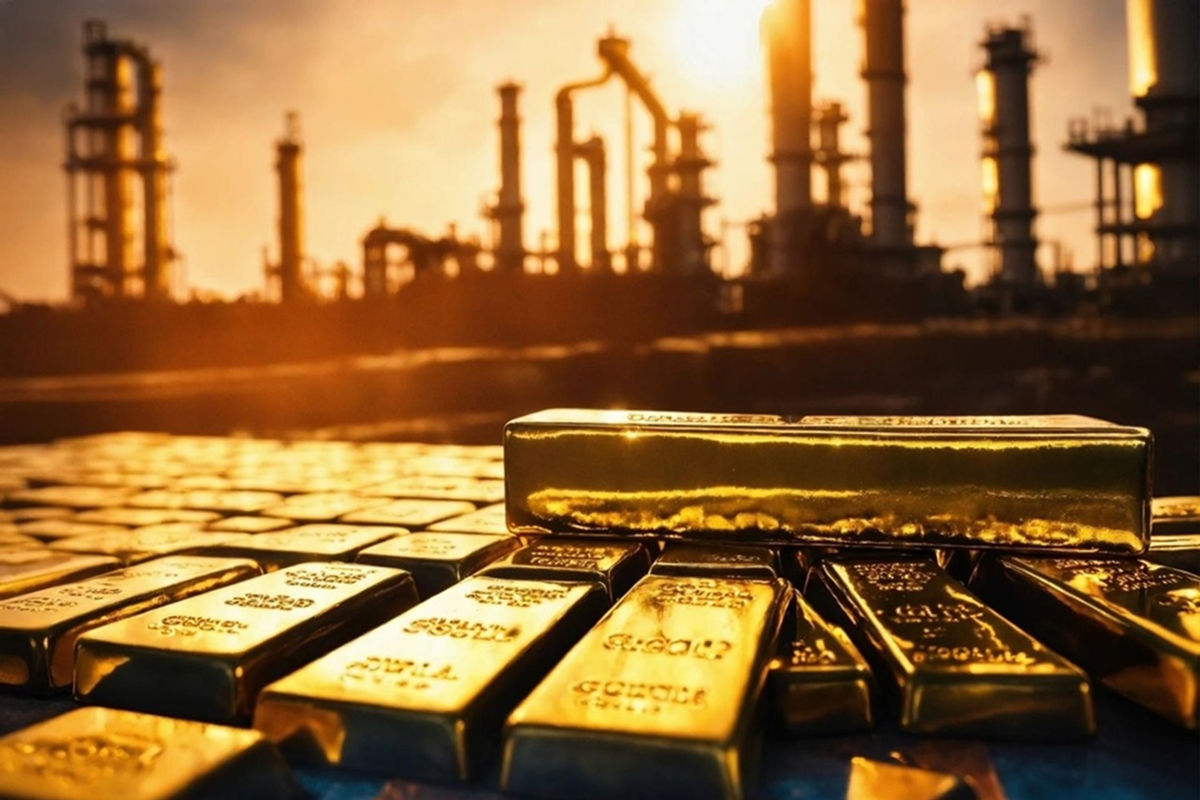
Gold prices came under renewed pressure on September 28 as surging U.S. Treasury yields, a firmer dollar and expectations for additional Federal Reserve tightening weakened demand for the non-yielding metal. The move illustrates the growing influence of interest-rate expectations on bullion markets, even as geopolitical uncertainty and elevated energy prices continue to shape global investor positioning.
Higher Yields Change the Gold Equation
Spot gold fell as much as 4% to approximately $4,111 an ounce, its lowest level since August 5, before recovering part of the decline. Reuters later reported spot gold at $4,146.51, still down 3.3% on the day. U.S. gold futures also fell 3.3% to $4,178.40. The sharp move followed a period in which bullion had already faced pressure from expectations that U.S. monetary policy could remain restrictive for longer.
The principal pressure point is the U.S. Treasury market. The benchmark 10-year yield has reached its highest level since 2007, while the 30-year yield recently reached its highest level since 2004. Higher yields increase the relative attractiveness of interest-bearing assets and raise the opportunity cost of holding gold, which does not generate interest or a coupon.
Oil Prices Reinforce Inflation Concerns
The gold selloff is also linked to developments in energy markets. Rising oil prices have renewed concerns that higher fuel and transportation costs could keep inflation elevated, making it more difficult for central banks to ease monetary policy. On September 28, oil prices rebounded after uncertainty surrounding U.S.-Iran negotiations and the potential reopening of the Strait of Hormuz remained unresolved.
This creates a complicated environment for gold. The metal is traditionally viewed as a hedge against inflation and geopolitical uncertainty, but persistent inflation can also produce a higher-for-longer interest-rate environment. Reuters reported that market participants increasingly viewed higher oil prices as reinforcing expectations for tighter Federal Reserve policy, while the dollar remained near a two-month high, creating another headwind for dollar-priced bullion.
Fed Policy Becomes the Critical Market Variable
The Federal Reserve raised its policy rate by 25 basis points earlier in September, bringing the target range to 3.75% to 4%. Markets have subsequently increased expectations for another move, with CME FedWatch data showing a 66% probability of a rate hike at the October meeting in early September 28 trading. Several Fed officials have also emphasized that persistent inflation could require further monetary restraint.
That policy backdrop has already affected gold’s broader trend. Reuters reported on September 25 that bullion was heading toward its fourth weekly decline in five weeks as Treasury yields and inflation concerns weighed on demand. The latest decline therefore represents an acceleration of an existing pressure rather than an isolated market reaction.
What Could Determine Gold’s Next Direction
Gold’s near-term performance will depend heavily on the interaction between Treasury yields, oil prices, the U.S. dollar and incoming inflation and employment data. A sustained rise in yields or additional evidence of persistent inflation could continue to challenge bullion, while easing energy prices, weaker economic data or a shift in Federal Reserve expectations could change the balance. For global investors, including those monitoring commodities and currency exposure from Israel, the key issue is whether the current yield-driven pressure develops into a broader repricing of gold or proves temporary as energy and monetary-policy expectations evolve.
Comparison, examination, and analysis between investment houses
Leave your details, and an expert from our team will get back to you as soon as possible
* This article, in whole or in part, does not contain any promise of investment returns, nor does it constitute professional advice to make investments in any particular field.
To read more about the full disclaimer, click here
- Lior mor
- •
- 7 Min Read
- •
- ago 12 hours
SKN | Could Rising Oil Prices and Hawkish Fed Bets Keep the Dollar Strong?
The U.S. dollar remained close to a two-month high Monday as renewed U.S.-Iran tensions pushed oil prices higher and strengthened
- ago 12 hours
- •
- 7 Min Read

The U.S. dollar remained close to a two-month high Monday as renewed U.S.-Iran tensions pushed oil prices higher and strengthened

- sagi habasov
- •
- 6 Min Read
- •
- ago 16 hours
SKN | Japan’s Corporate Services Inflation Hits Two-Year High, Keeping BOJ Rate Hikes in Focus
Japan’s corporate services inflation accelerated to its fastest pace in more than two years in August, adding to evidence that
- ago 16 hours
- •
- 6 Min Read

Japan’s corporate services inflation accelerated to its fastest pace in more than two years in August, adding to evidence that

- Ronny Mor
- •
- 7 Min Read
- •
- ago 17 hours
SKN | Middle East Oil Exports Rebound as Saudi Arabia Boosts Shipments Through Hormuz
Oil exports from major Middle Eastern producers are rebounding in September as Saudi Arabia and the United Arab Emirates increase
- ago 17 hours
- •
- 7 Min Read

Oil exports from major Middle Eastern producers are rebounding in September as Saudi Arabia and the United Arab Emirates increase

- omer bar
- •
- 6 Min Read
- •
- ago 17 hours
SKN | Dollar Strengthens as Iran Tensions Lift Oil and Reinforce Hawkish Fed Bets
The dollar strengthened at the start of the week, remaining near a two-month high as tensions between the United States
- ago 17 hours
- •
- 6 Min Read
The dollar strengthened at the start of the week, remaining near a two-month high as tensions between the United States
