




- Lior mor
- •
- 7 Min Read
- •
- 1 hour ago


Key Points
- Intel shares have surged 292.7% over the past year, bringing the stock to around $122.60 and raising questions about whether its valuation is still supported by the company’s sales growth.
- Intel trades at roughly 11.3 times sales, above the broader semiconductor industry average of about 6.9 times but below the approximately 13.8 times multiple for its peer group.
- AI inference demand and potential semiconductor partnerships are central to the growth narrative, with additional CPU demand and potential U.S. manufacturing activity shaping expectations for Intel’s future revenue.
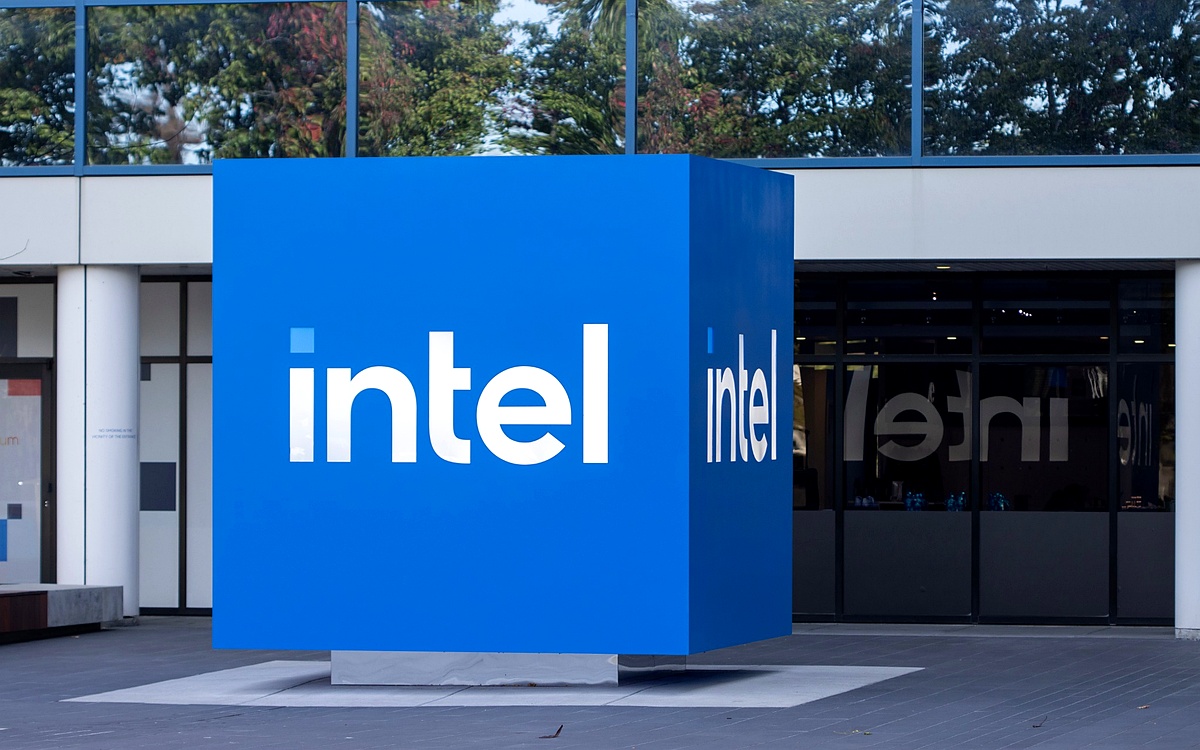
Intel’s Rally Raises a Valuation Question
Intel has delivered one of the strongest stock-market rallies in the semiconductor sector, with shares gaining 292.7% over the past year. At approximately $122.60 per share, the magnitude of that advance has shifted attention from the recovery narrative toward a more fundamental question: how much of the expected improvement is already reflected in the stock price?
The valuation debate is particularly focused on sales because investors are looking beyond Intel’s current earnings profile and assessing whether growing AI-related demand can translate into a substantially larger revenue base. The key consideration is whether future sales can justify the premium investors are currently paying for Intel.
Sales Multiple Sits Above the Semiconductor Average
Intel currently trades at approximately 11.3 times price-to-sales, compared with about 6.9 times for the broader semiconductor industry. That represents a meaningful premium to the sector, although the stock remains below the roughly 13.8 times average for its identified peer group.
The source analysis describes Intel’s multiple as close to a more tailored fair valuation benchmark that incorporates its growth profile and risks. That leaves the stock looking expensive relative to the broader industry without necessarily placing it outside the valuation range investors assign to comparable revenue opportunities.
AI Inference Becomes a Key Growth Driver
A major part of Intel’s current investment narrative centers on the growth of AI inference workloads. Unlike the initial wave of AI infrastructure spending focused heavily on training, inference involves running AI models and applications after they have been developed, creating potential demand for additional computing capacity.
The source specifically points to additional CPU demand associated with Meta’s Muse AI agent as one factor shaping expectations around Intel’s future revenue. If AI inference workloads generate sustained demand for Intel processors, the company could have an opportunity to translate renewed interest in its technology into higher sales.
Potential Partnerships Add to the Narrative
Potential manufacturing relationships are another component of the valuation story. Discussions involving SK Hynix and potential U.S. memory manufacturing could influence how investors view Intel’s future revenue mix and the timing of associated cash flows.
However, the significance of these opportunities ultimately depends on their ability to translate into measurable revenue. For a stock that has already gained nearly 300% in a year, expectations embedded in the valuation become increasingly important.
Growth Expectations Versus Current Price
Intel’s investment case now reflects a divide between investors who see a renewed opportunity in its x86 processor franchise and U.S. semiconductor manufacturing ambitions, and those who believe the stock price already incorporates substantial future improvement.
The valuation framework presented in the source suggests that Intel is not simply being priced on its current sales base. Investors are also assigning value to potential AI-driven demand and future strategic opportunities. That makes execution increasingly important because weaker-than-expected revenue growth could challenge the assumptions supporting the current multiple.
What Investors May Watch Next
Intel’s next phase will likely depend on whether its strong share-price performance can be matched by accelerating revenue. Investors may monitor AI inference demand, CPU sales, potential manufacturing partnerships and changes in Intel’s sales trajectory. With the stock trading above the broader semiconductor industry’s sales multiple, the market’s focus is likely to remain on whether future revenue growth can catch up with the expectations already reflected in the share price.
Comparison, examination, and analysis between investment houses
Leave your details, and an expert from our team will get back to you as soon as possible
* This article, in whole or in part, does not contain any promise of investment returns, nor does it constitute professional advice to make investments in any particular field.
To read more about the full disclaimer, click here
- omer bar
- •
- 7 Min Read
- •
- ago 2 hours
SKN | Can Novo Nordisk Rebuild Investor Trust With a Broader Drug Pipeline?
Novo’s Pipeline Expansion Meets Investor Skepticism Novo Nordisk is attempting to reshape its growth strategy as the company prepares for
- ago 2 hours
- •
- 7 Min Read

Novo’s Pipeline Expansion Meets Investor Skepticism Novo Nordisk is attempting to reshape its growth strategy as the company prepares for

- sagi habasov
- •
- 7 Min Read
- •
- ago 12 hours
SKN | Meta’s Muse Reignites Debate Over AI Winners and Losers as Agentic Commerce Expands
Meta Platforms’ new Muse AI agent is quickly becoming a test case for how autonomous artificial intelligence could reshape
- ago 12 hours
- •
- 7 Min Read
Meta Platforms’ new Muse AI agent is quickly becoming a test case for how autonomous artificial intelligence could reshape
- sagi habasov
- •
- 6 Min Read
- •
- ago 13 hours
SKN | Nvidia CDS Returns to August Levels as Credit Risk Shows Signs of Easing
Nvidia's Credit Signal Is Reversing Nvidia's CDS spread has moved back toward its August range after experiencing a pronounced increase
- ago 13 hours
- •
- 6 Min Read
Nvidia's Credit Signal Is Reversing Nvidia's CDS spread has moved back toward its August range after experiencing a pronounced increase
- omer bar
- •
- 8 Min Read
- •
- ago 19 hours
SKN | Energy Sector Rotation: Why Is J.P. Morgan Betting on BP and Cooling on TotalEnergies?
Surging commodity volatility and simmering geopolitical tensions in the Middle East are forcing Wall Street financial giants to recalculate their
- ago 19 hours
- •
- 8 Min Read

Surging commodity volatility and simmering geopolitical tensions in the Middle East are forcing Wall Street financial giants to recalculate their
