




- sagi habasov
- •
- 7 Min Read
- •
- 1 hour ago


Key Points
- Meta’s Muse has reached the top of the free-app rankings in the United States and Canada, with 2.8 million downloads within two weeks of launch.
- The rapid adoption is reviving concerns that AI agents could disrupt established business models, particularly in retail, financial services and digital advertising.
- Companies including Shopify and PayPal could benefit from the expansion of AI-driven commerce, while analysts argue that some fears surrounding disruption to financial services may be overstated.
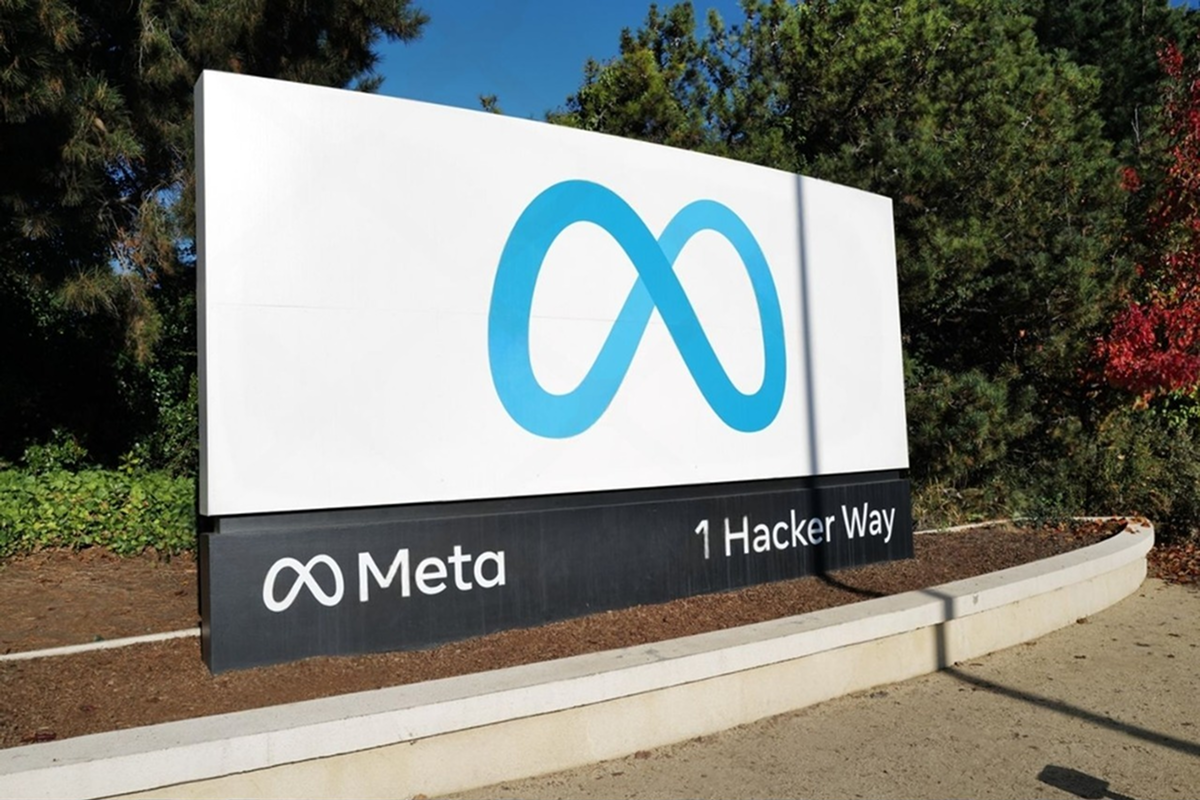
Meta Platforms’ new Muse AI agent is quickly becoming a test case for how autonomous artificial intelligence could reshape consumer spending and corporate revenue models. Its rapid adoption has divided Wall Street, with investors weighing the potential beneficiaries of agentic commerce against companies whose customer relationships and business models could be weakened as consumers increasingly delegate decisions to AI systems.
Muse Gains Rapid Consumer Traction
Muse allows users to delegate tasks including shopping, travel bookings and form-filling to an AI agent. The application overtook ChatGPT as the top free application on Apple’s App Store and Google Play Store in the United States and Canada roughly two weeks after its September 8 launch.
According to market intelligence firm Sensor Tower, Muse recorded 2.8 million downloads during its first two weeks, with average daily downloads increasing 55% during the first 10 days. The early adoption provides Meta with evidence that consumers may be willing to move beyond conventional chatbot interactions toward AI systems capable of taking actions on their behalf.
The development is strategically important for Meta because the company operates some of the world’s largest consumer platforms. The ability to integrate an AI agent with an established ecosystem of users, advertisers and businesses could give Meta a distribution advantage as autonomous AI becomes more widely adopted.
AI Agents Could Change How Consumers Shop
The emergence of agentic commerce is creating a more complicated competitive landscape. Instead of visiting individual websites or applications to compare products, consumers could increasingly instruct an AI agent to search, evaluate options and complete purchases. That could weaken the importance of traditional customer relationships and brand loyalty if the AI becomes the primary interface between consumers and merchants.
Major banks including NatWest, Bank of America, ING, Capital One and Commonwealth Bank of Australia have already warned that AI shopping agents could introduce risks involving fraud, data privacy and consumer protection. The banks have called for greater transparency when AI agents participate in transactions and stronger safeguards around financial information.
For retailers, the shift could also change how companies compete for visibility. Businesses may need to optimize their products not only for human consumers and search engines but also for AI recommendation systems that increasingly influence purchasing decisions.
Potential Winners Extend Beyond Meta
Some companies could benefit from the transition even if they do not control the consumer-facing AI agent. Shopify and PayPal have been identified among potential early beneficiaries because AI-driven shopping still requires merchants, payment infrastructure and transaction-processing systems.
The financial sector presents a more mixed picture. AI agents could automate portions of financial research, customer service and transaction workflows, potentially reducing costs. However, analysts cited by Reuters argue that concerns about AI fundamentally disrupting financial companies may be overstated because banks and financial institutions retain regulatory relationships, established infrastructure and customer trust that can be difficult for new AI platforms to replicate.
Meta’s Market Impact Extends Across the AI Ecosystem
Muse has already influenced investor positioning beyond Meta. Reuters reported that Meta shares surged more than 11% on September 21, adding nearly $200 billion to the company’s market value, while the broader AI rally helped push the Nasdaq to a record close.
The next phase will depend on whether Muse can convert rapid downloads into sustained usage and recurring revenue. Investors will also be watching whether AI agents redirect spending toward companies such as Shopify and PayPal, alter advertising economics or place greater pressure on businesses that depend on direct consumer engagement. The broader question is whether agentic AI becomes another digital distribution channel or develops into a fundamentally different interface for commerce, finance and everyday services.
Comparison, examination, and analysis between investment houses
Leave your details, and an expert from our team will get back to you as soon as possible
* This article, in whole or in part, does not contain any promise of investment returns, nor does it constitute professional advice to make investments in any particular field.
To read more about the full disclaimer, click here
- Ronny Mor
- •
- 7 Min Read
- •
- ago 1 hour
SKN | Microsoft Plans More Than $10 Billion Gulf Investment as AI and Digital Resilience Take Center Stage
Microsoft is planning more than $10 billion of investment across four Gulf markets through 2030, combining cloud and artificial
- ago 1 hour
- •
- 7 Min Read

Microsoft is planning more than $10 billion of investment across four Gulf markets through 2030, combining cloud and artificial

- sagi habasov
- •
- 6 Min Read
- •
- ago 1 hour
SKN | Nvidia CDS Returns to August Levels as Credit Risk Shows Signs of Easing
Nvidia's Credit Signal Is Reversing Nvidia's CDS spread has moved back toward its August range after experiencing a pronounced increase
- ago 1 hour
- •
- 6 Min Read
Nvidia's Credit Signal Is Reversing Nvidia's CDS spread has moved back toward its August range after experiencing a pronounced increase
- sagi habasov
- •
- 7 Min Read
- •
- ago 5 hours
SKN | Could Tekever’s $6.4 Billion Valuation Signal a New Era for European Defense Technology?
Tekever Reaches $6.4 Billion Valuation Tekever has reached a $6.4 billion valuation after raising $580 million in a funding round,
- ago 5 hours
- •
- 7 Min Read

Tekever Reaches $6.4 Billion Valuation Tekever has reached a $6.4 billion valuation after raising $580 million in a funding round,
- Ronny Mor
- •
- 5 Min Read
- •
- ago 8 hours
SKN | Nvidia’s Stealth Science Engine: The Secret Israeli Lab Unlocking 98% of Uncharted Human Genome
Semiconductor and AI giant Nvidia has expanded its strategic footprint in Israel with the establishment of a new research
- ago 8 hours
- •
- 5 Min Read

Semiconductor and AI giant Nvidia has expanded its strategic footprint in Israel with the establishment of a new research
