




- Ronny Mor
- •
- 7 Min Read
- •
- 1 hour ago


Key Points
- Microsoft plans to invest more than $10 billion across the UAE, Saudi Arabia, Qatar and Kuwait through 2030, including spending on cloud and AI infrastructure.
- The company is making digital resilience a central element of its regional strategy as geopolitical risks continue to affect critical infrastructure and business operations.
- Microsoft also plans more than $400 million for subsea and terrestrial connectivity across the Middle East by 2030, reinforcing the region's role in global digital infrastructure.
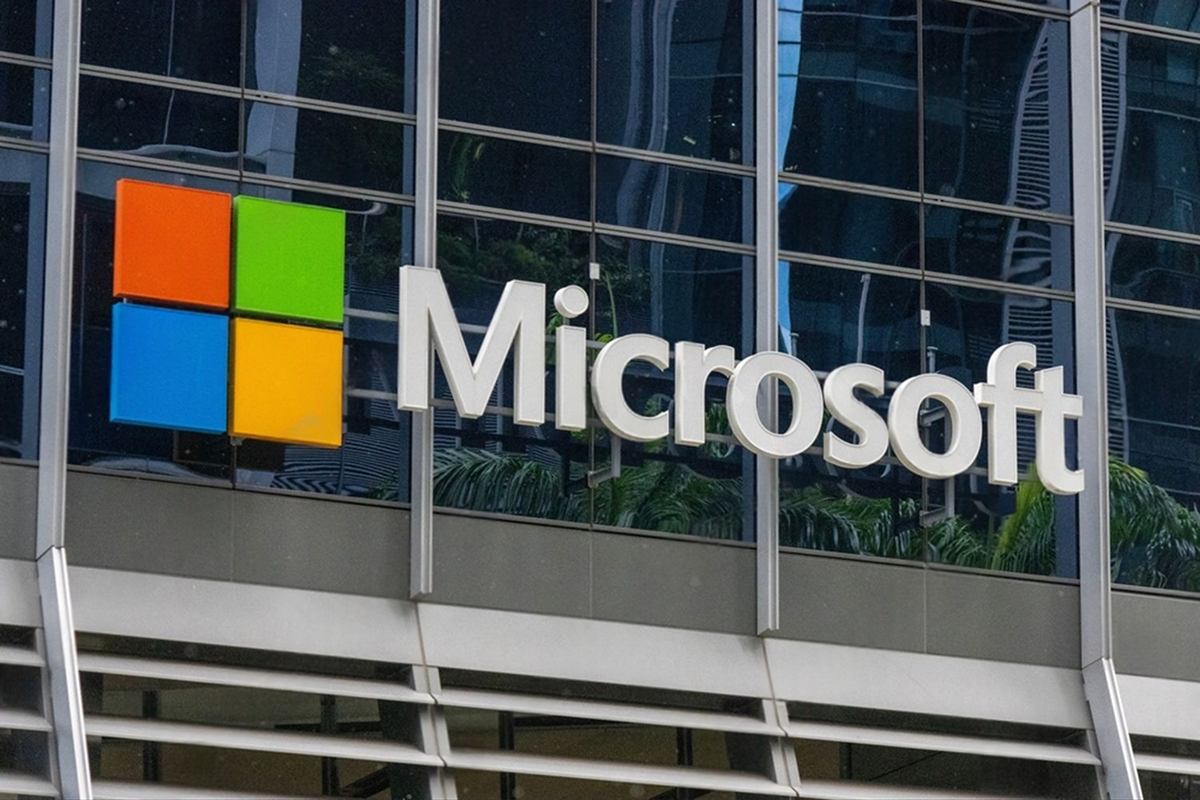
Microsoft is planning more than $10 billion of investment across four Gulf markets through 2030, combining cloud and artificial intelligence infrastructure with an expanded focus on digital resilience. The strategy comes as Gulf economies accelerate technology investment to diversify beyond oil and gas, while continuing geopolitical disruptions are increasing the importance of secure data, connectivity and business continuity.
Microsoft Deepens Its Gulf Infrastructure Strategy
The planned investment covers the United Arab Emirates, Saudi Arabia, Qatar and Kuwait and includes both infrastructure development and expansion of Microsoft’s regional operations. Vice Chair and President Brad Smith told Reuters that the investment reflects Microsoft’s continuing infrastructure build-out as well as broader operational expansion in the region. The company has not provided a country-by-country breakdown of the planned spending, citing security considerations.
The commitment is significant because cloud computing and AI require substantial amounts of computing capacity, data-center infrastructure and reliable connectivity. Gulf governments are simultaneously investing heavily in AI as part of efforts to build technology hubs and reduce their economies’ dependence on hydrocarbons. Access to land and relatively inexpensive energy is also being positioned as an advantage for attracting major cloud and AI operators.
Digital Resilience Becomes a Strategic Priority
Microsoft’s regional strategy is evolving beyond conventional cloud expansion. The company is placing greater emphasis on digital resilience, including preparation for disruptions, protection of critical data and continuity of digital services as geopolitical risks affect the Middle East. Smith said Microsoft had already been helping regional partners assess resilience and prepare for potential disruptions.
The approach reflects a broader change in how infrastructure operators assess risk. Data centers, telecommunications networks and cloud platforms have become critical economic infrastructure, meaning disruptions can affect government services, financial institutions, businesses and consumers simultaneously. Building redundancy across networks and data infrastructure can therefore become an important component of regional technology investment rather than simply an operational consideration.
Connectivity Investment Supports the AI Build-Out
Alongside its cloud and AI spending, Microsoft plans to invest more than $400 million in subsea and terrestrial connectivity across the Middle East through 2030. The company is already involved in the SeaMeWe-6 subsea cable system, which has landings in Qatar, Saudi Arabia and the UAE, strengthening connections between Gulf markets and international data networks.
Microsoft is also expanding partnerships with regional AI organizations. These include Saudi Arabia’s HUMAIN, Abu Dhabi’s G42 and Qatar’s QAI. Microsoft previously invested $1.5 billion in G42 in 2024 for a minority stake, while Smith said the company’s relationships with HUMAIN and QAI do not involve planned capital investments.
Gulf AI Ambitions Create a Long-Term Technology Market
The investment places Microsoft within a broader Gulf strategy to use AI and digital infrastructure as tools for economic diversification. For Microsoft, the region offers potential demand for cloud services, enterprise AI and data infrastructure, while governments are seeking technology partnerships that can accelerate domestic digital capabilities.
Investors will be watching how quickly the planned AI infrastructure, connectivity and resilience projects translate into commercial cloud demand and sustainable regional revenue. The geopolitical environment remains a key variable, particularly for physical infrastructure and cross-border connectivity. Over the longer term, the Gulf’s ability to combine capital, energy resources and digital infrastructure could influence the region’s position within the global AI ecosystem, while Microsoft’s execution will determine how much of that opportunity becomes recurring technology business.
Comparison, examination, and analysis between investment houses
Leave your details, and an expert from our team will get back to you as soon as possible
* This article, in whole or in part, does not contain any promise of investment returns, nor does it constitute professional advice to make investments in any particular field.
To read more about the full disclaimer, click here
- Lior mor
- •
- 8 Min Read
- •
- ago 1 hour
SKN | Paramount Faces a $30 Billion Film Production Question After Warner Bros. Deal
Paramount Skydance is entering a new phase of its proposed $110 billion acquisition of Warner Bros. Discovery with an
- ago 1 hour
- •
- 8 Min Read

Paramount Skydance is entering a new phase of its proposed $110 billion acquisition of Warner Bros. Discovery with an

- sagi habasov
- •
- 7 Min Read
- •
- ago 1 hour
SKN | Meta’s Muse Reignites Debate Over AI Winners and Losers as Agentic Commerce Expands
Meta Platforms’ new Muse AI agent is quickly becoming a test case for how autonomous artificial intelligence could reshape
- ago 1 hour
- •
- 7 Min Read
Meta Platforms’ new Muse AI agent is quickly becoming a test case for how autonomous artificial intelligence could reshape
- sagi habasov
- •
- 7 Min Read
- •
- ago 5 hours
SKN | Could Tekever’s $6.4 Billion Valuation Signal a New Era for European Defense Technology?
Tekever Reaches $6.4 Billion Valuation Tekever has reached a $6.4 billion valuation after raising $580 million in a funding round,
- ago 5 hours
- •
- 7 Min Read
Tekever Reaches $6.4 Billion Valuation Tekever has reached a $6.4 billion valuation after raising $580 million in a funding round,

- Ronny Mor
- •
- 5 Min Read
- •
- ago 8 hours
SKN | Nvidia’s Stealth Science Engine: The Secret Israeli Lab Unlocking 98% of Uncharted Human Genome
Semiconductor and AI giant Nvidia has expanded its strategic footprint in Israel with the establishment of a new research
- ago 8 hours
- •
- 5 Min Read
Semiconductor and AI giant Nvidia has expanded its strategic footprint in Israel with the establishment of a new research
