




- omer bar
- •
- 6 Min Read
- •
- 8 hours ago


Key Points
- The U.S. dollar index held near 100.56, close to its strongest level in two months, as investors priced further monetary tightening.
- Brent crude stood near $99 a barrel after falling from recent highs as hopes for U.S.-Iran diplomacy increased, but the geopolitical risk premium remains significant.
- The next direction for the dollar will depend on inflation data, central-bank guidance and whether diplomatic efforts can stabilize Middle Eastern energy flows.
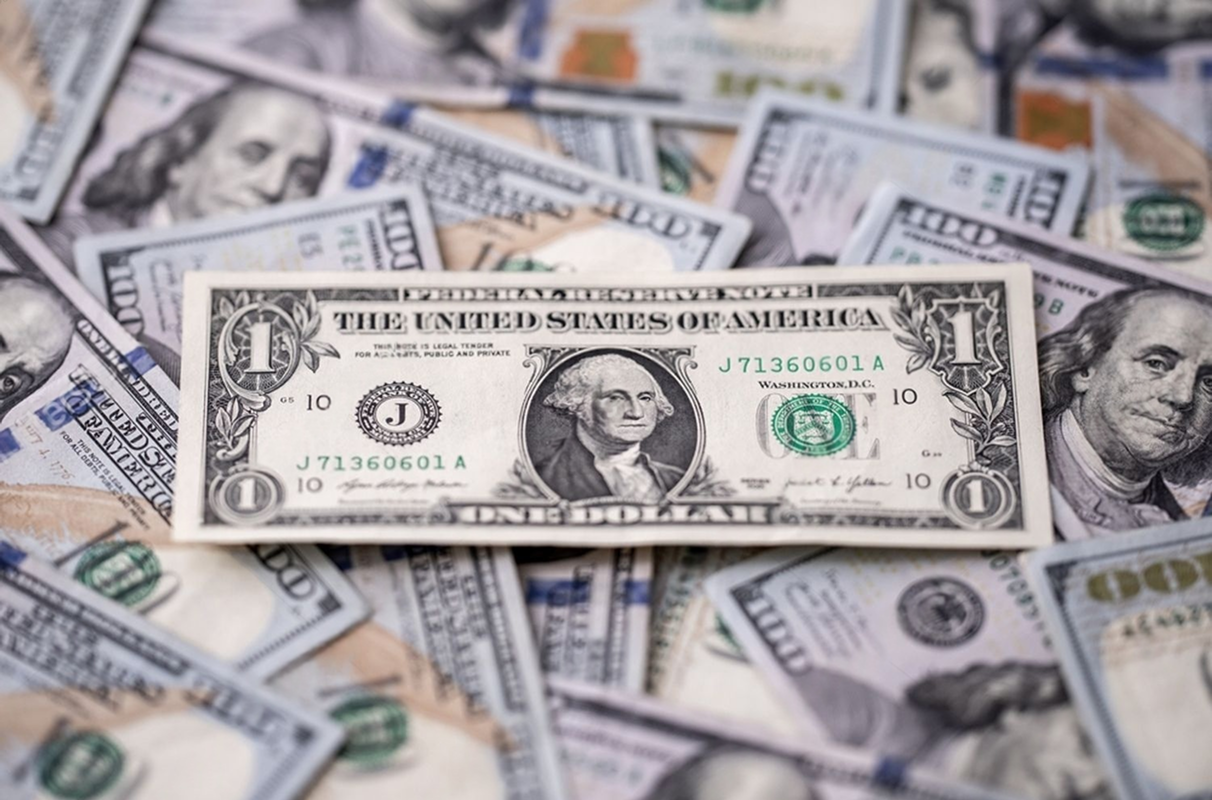
The U.S. dollar remained close to a two-month high on September 23 as markets balanced expectations for additional interest-rate increases against signs of progress in U.S.-Iran diplomacy. The dollar index stood at 100.56, while easing oil prices offered some relief to inflation concerns but did not eliminate uncertainty surrounding the Middle East conflict.
Rate Expectations Give the Dollar a New Source of Support
Currency markets have increasingly focused on the possibility that major central banks will keep tightening monetary policy as elevated energy prices threaten to extend inflationary pressure. Federal Reserve officials have indicated that additional rate increases remain possible if inflation does not move sufficiently toward the central bank’s 2% target.
That shift in expectations has strengthened the dollar’s yield advantage. The euro traded around $1.1446, close to its weakest level since late July, while sterling was around $1.3337. The recent move reflects a broader reassessment of monetary policy, with investors looking beyond the latest rate decision toward how long restrictive policy may remain in place.
Oil Prices and Iran Diplomacy Complicate the Currency Outlook
Energy markets remain closely linked to the currency outlook. Brent crude was around $99.22 a barrel, having retreated as diplomatic efforts raised hopes that disruptions to regional energy flows could ease. Iran has indicated that it could reopen the Strait of Hormuz under certain conditions, while U.S. officials have also signaled that negotiations remain possible.
For currency markets, lower oil prices could reduce some of the inflationary pressure facing economies that are heavily dependent on energy imports. However, Brent remains significantly higher than before the conflict, and uncertainty around shipping routes, production infrastructure and the durability of any diplomatic agreement continues to influence risk positioning.
Yen Weakness Adds Another Layer to Dollar Strength
The Japanese yen traded around 157.55 per dollar, keeping intervention risks in focus. The Bank of Japan recently raised interest rates, but the move did not produce a decisive narrowing of the interest-rate gap with the United States, particularly after the Federal Reserve also tightened policy.
That divergence leaves the yen vulnerable even as Japanese officials remain sensitive to excessive currency weakness. For global investors, the dollar’s strength therefore reflects not only U.S. monetary policy but also differing policy paths across major economies.
Going forward, markets are likely to focus on U.S. inflation and employment data, Federal Reserve guidance, oil prices and developments in U.S.-Iran diplomacy. A sustained decline in energy prices could reduce pressure for further rate hikes, while renewed disruption around the Strait of Hormuz could reinforce inflation concerns and support demand for the dollar.
Comparison, examination, and analysis between investment houses
Leave your details, and an expert from our team will get back to you as soon as possible
* This article, in whole or in part, does not contain any promise of investment returns, nor does it constitute professional advice to make investments in any particular field.
To read more about the full disclaimer, click here
- Arik Arkadi Sluzki
- •
- 7 Min Read
- •
- ago 12 hours
SKN | Financial Stocks Slide as AI Competition and a Flattening Yield Curve Raise New Concerns
U.S. financial stocks came under renewed pressure on Tuesday as investors weighed the growing impact of artificial intelligence on
- ago 12 hours
- •
- 7 Min Read

U.S. financial stocks came under renewed pressure on Tuesday as investors weighed the growing impact of artificial intelligence on

- sagi habasov
- •
- 7 Min Read
- •
- ago 12 hours
SKN | Fed’s Barkin Says U.S. Economy Is Firming as Inflation Broadens Beyond Energy and Tariffs
Federal Reserve officials continue to face a difficult policy balance as resilient U.S. demand collides with inflation that remains
- ago 12 hours
- •
- 7 Min Read
Federal Reserve officials continue to face a difficult policy balance as resilient U.S. demand collides with inflation that remains

- omer bar
- •
- 6 Min Read
- •
- ago 12 hours
SKN | XLF Underperforms as a Flattening Yield Curve Signals Pressure on Financial Stocks
XLF Is Losing Relative Momentum The chart shows a clear deterioration in XLF's recent performance after a prolonged period of
- ago 12 hours
- •
- 6 Min Read
XLF Is Losing Relative Momentum The chart shows a clear deterioration in XLF's recent performance after a prolonged period of

- orshu
- •
- 8 Min Read
- •
- ago 13 hours
SKN | Treasury Cash Could Enter Repo Market as Participants Back More Efficient Liquidity Management
Market participants have given preliminary support to the idea of the U.S. Treasury periodically investing part of its cash
- ago 13 hours
- •
- 8 Min Read

Market participants have given preliminary support to the idea of the U.S. Treasury periodically investing part of its cash
